

Operation Process and Working Principle of Ceramic Particle Pneumatic Conveying
Understanding the operation process and working principle of ceramic particle pneumatic conveying systems is crucial for industries dealing with fine or abrasive materials. This technology efficiently transports dry bulk materials like ceramic powders, granules, or other particulate substances through a pipeline using air or other gas as the conveying medium. The following sections provide a detailed overview of the system's operation, key components, and practical applications.
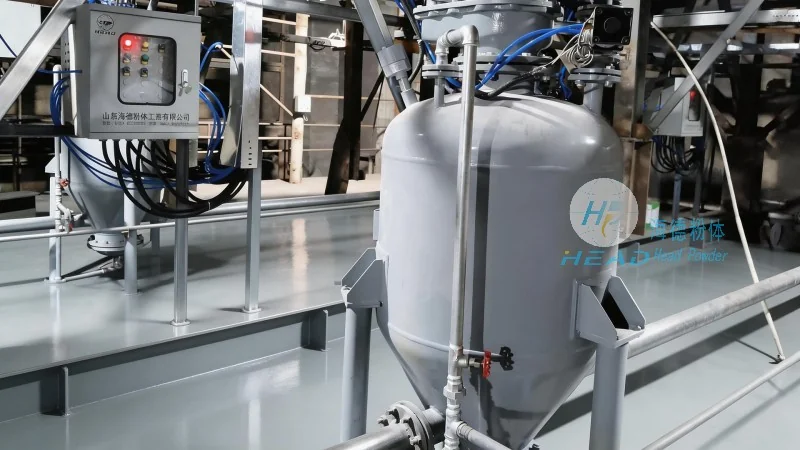
Introduction to Ceramic Particle Pneumatic Conveying
Ceramic particle pneumatic conveying is a method used to transport ceramic materials such as alumina, silica, or other ceramic powders and granules from a source to a destination. Unlike traditional mechanical conveying systems, pneumatic conveying uses pressure or vacuum to move materials through a sealed pipeline. This approach is particularly advantageous for handling materials that are sensitive to moisture, contamination, or mechanical stress, making it ideal for applications in the ceramics, pharmaceuticals, and food processing industries.
The Working Principle of Pneumatic Conveying
The core principle of pneumatic conveying involves creating a flow of air or gas within a pipeline to entrain and transport the ceramic particles. There are two main types of pneumatic conveying systems: pressure and vacuum. In pressure systems, compressed air is introduced at the material inlet, generating a high-pressure environment that pushes the particles forward. Vacuum systems, on the other hand, use a vacuum pump to create a low-pressure zone that draws the particles into the pipeline. The choice between pressure and vacuum depends on factors such as the material's properties, the distance to be conveyed, and the system's layout.
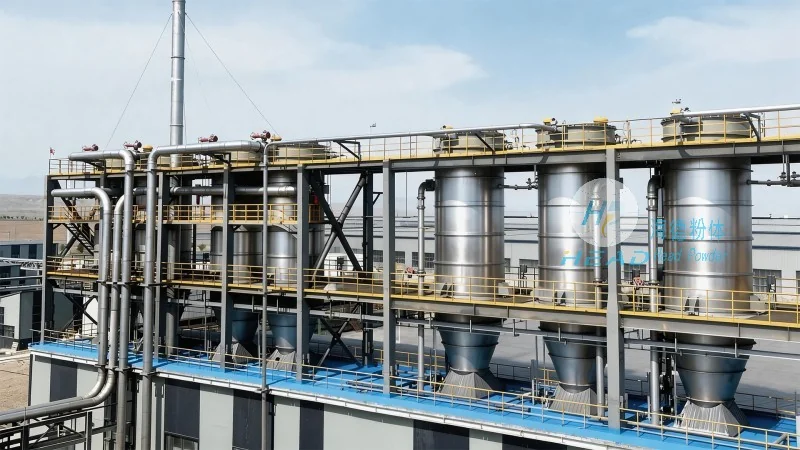
Key Components and Their Functions
A typical ceramic particle pneumatic conveying system consists of several critical components, each playing a vital role in the overall operation. These components include:
- Material Hopper: A container that stores the ceramic particles before they are fed into the system. The hopper is designed to prevent material bridging or caking, ensuring a consistent flow of material.
- Feeder: The device responsible for controlling the flow rate of the ceramic particles from the hopper into the conveying line. Common types include rotary valves, screw feeders, or vibratory feeders, which maintain a steady and adjustable feed rate.
- Conveying Line: The pipeline through which the air and ceramic particles travel. It is typically made of materials resistant to abrasion and corrosion, such as stainless steel or special alloys, to withstand the abrasive nature of ceramic particles.
- Air Supply System: This includes the compressor or vacuum pump, air filters, and regulators. The air supply system provides the necessary pressure or vacuum to move the particles through the line. Proper filtration is essential to prevent dust from entering the system and damaging components.
- Control System: A set of sensors and controls that monitor and regulate the operation of the system. This includes pressure sensors, flow meters, and control valves that adjust the air flow and feed rate based on real-time conditions, ensuring optimal performance and preventing system failures.
Operation Process of the System
The operation of a ceramic particle pneumatic conveying system follows a systematic process. First, the ceramic particles are loaded into the material hopper. The feeder then starts, controlling the flow rate of the particles into the conveying line. Simultaneously, the air supply system activates, providing the required pressure or vacuum. The air and particles mix in the conveying line, with the air velocity sufficient to entrain the particles and maintain their suspension. As the mixture travels through the pipeline, it reaches the destination point, where the particles are discharged into a collection bin or processing equipment. The control system continuously monitors the system's performance, adjusting parameters as needed to maintain stable operation and prevent issues such as blockages or excessive pressure.
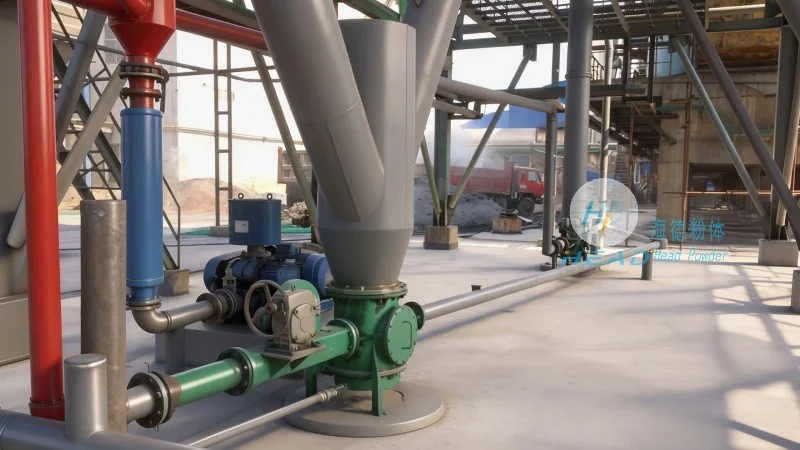
Benefits and Applications
Ceramic particle pneumatic conveying offers several advantages over traditional mechanical conveying methods. These benefits include:
- Reduced Material Damage: The gentle handling of particles by the air flow minimizes abrasion and breakage, preserving the quality of the ceramic materials.
- Prevention of Contamination: The sealed pipeline system prevents exposure to external contaminants, ensuring the purity of the ceramic particles, which is critical for applications in pharmaceuticals and food processing.
- Energy Efficiency: Modern pneumatic conveying systems are designed to be energy-efficient, with optimized air flow and pressure control reducing energy consumption compared to traditional systems.
- Flexibility in Layout: The system can be configured in various layouts, including horizontal, vertical, or combination paths, allowing for flexible integration into existing production facilities.
Applications of ceramic particle pneumatic conveying include the transportation of ceramic powders in the production of ceramics, glass, and refractory materials. It is also used in the pharmaceutical industry for handling fine powders, in the food industry for conveying spices or powders, and in chemical processing for transporting abrasive or sensitive materials.
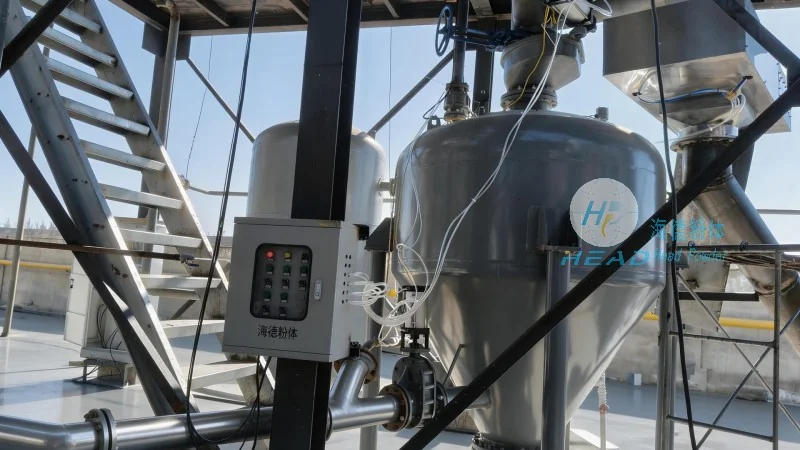
Company Overview: Shandong HeadPowder Engineering Co., Ltd.
Shandong HeadPowder Engineering Co., Ltd., operating under the brand name headpowder, is a leading provider of pneumatic conveying solutions for ceramic and other industrial materials. With a focus on innovation and quality, the company specializes in designing, manufacturing, and installing customized pneumatic conveying systems tailored to the specific needs of its clients. HeadPowder's expertise lies in understanding the unique challenges of handling ceramic particles, such as their abrasive nature and sensitivity to moisture, and developing solutions that address these challenges effectively.
The company's headquarters is located in Shandong, China, where it maintains state-of-the-art facilities for research, development, and production. HeadPowder's team of engineers and technicians work closely with clients to assess their material handling requirements, provide technical consultations, and deliver systems that meet or exceed industry standards. By combining advanced technology with practical experience, HeadPowder ensures that its pneumatic conveying systems are reliable, efficient, and cost-effective, helping clients improve their production processes and enhance product quality.