

Operation Process and Working Principle of Activated Carbon Pneumatic Conveying
Shandong HeadPowder Engineering Co., Ltd., commonly known as HeadPowder, is a professional manufacturer and supplier specializing in activated carbon pneumatic conveying systems. With a base in Shandong, China, the company has established itself as a trusted partner in the field of industrial material handling solutions.
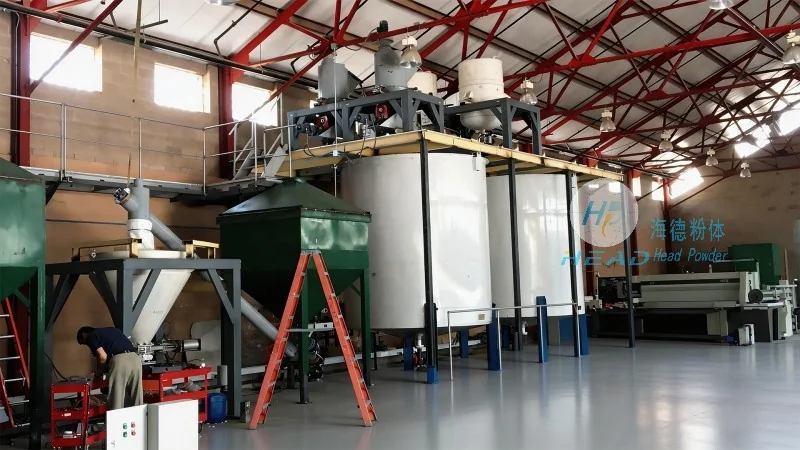
Understanding Activated Carbon Pneumatic Conveying
Activated carbon, a highly porous carbon material widely used in filtration, adsorption, and other industrial applications, often requires efficient and reliable transportation from storage to processing units. Pneumatic conveying, a method that uses air or other gases to move bulk materials, offers a solution that minimizes contamination, dust, and the need for mechanical components. This section explores the operation process and working principle of activated carbon pneumatic conveying, highlighting its key components and operational dynamics.
Working Principle of Activated Carbon Pneumatic Conveying
The core of activated carbon pneumatic conveying lies in the use of air pressure to transport the material. The system typically consists of a hopper, a conveyor line, and a receiver. The process begins with the activated carbon being fed into the hopper. As air is introduced into the system, it creates a flow that lifts the carbon particles and propels them through the conveyor line. The air velocity is carefully controlled to ensure that the particles are carried without causing excessive wear or degradation. The receiver then collects the material, completing the transport cycle.
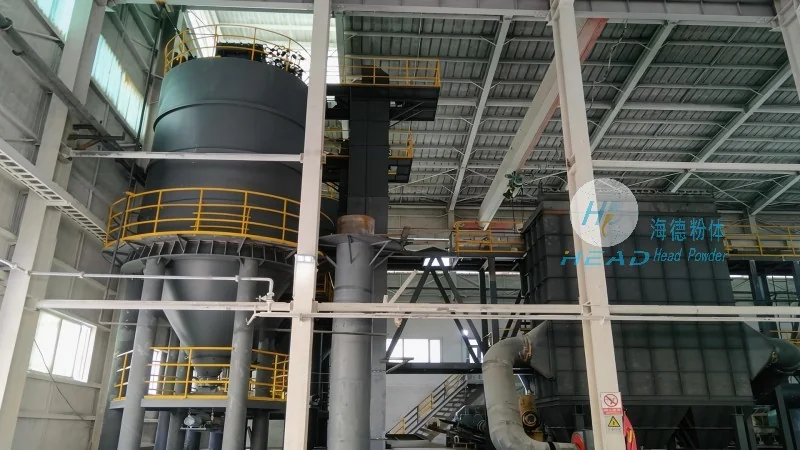
Operation Process of Activated Carbon Pneumatic Conveying
The operation process of an activated carbon pneumatic conveying system involves several sequential steps that ensure efficient and safe material transport. First, the activated carbon is loaded into the storage hopper. The hopper is equipped with a feeding mechanism, such as a rotary valve or a screw feeder, which controls the flow rate of the material into the conveyor line. Next, the air compressor generates the necessary pressure and volume of air to initiate the conveying process. The air is directed into the conveyor line, creating a positive pressure environment that moves the carbon particles. As the material travels through the line, it may encounter expansion joints or bends, which are designed to maintain the air flow and prevent blockages. The receiver, typically a storage tank or a processing unit, is positioned at the end of the conveyor line. The material is deposited into the receiver, and the air is filtered and recycled back to the system, completing the cycle.
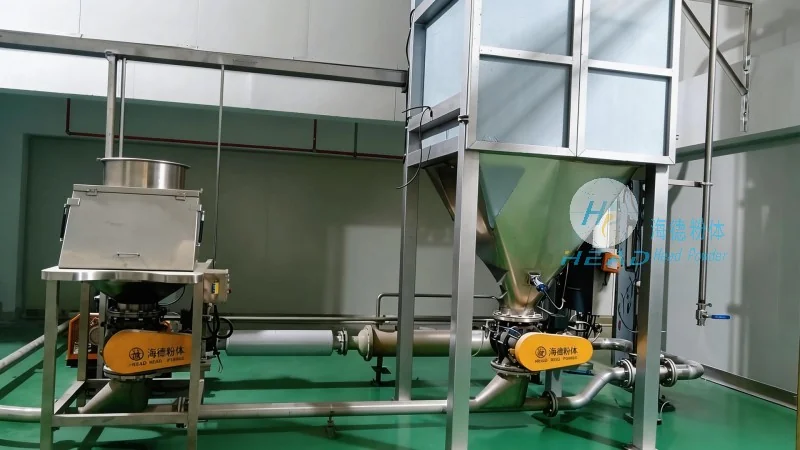
Key Components in Activated Carbon Pneumatic Conveying Systems
Several critical components work in tandem to ensure the smooth operation of activated carbon pneumatic conveying systems. The hopper serves as the initial storage and feeding unit, providing a controlled environment for the material. The rotary valve or screw feeder regulates the flow of activated carbon into the conveyor line, preventing overfilling and maintaining consistent material delivery. The air compressor is responsible for generating the air pressure required to move the material. It must be capable of handling the specific air volume and pressure needed for the system's design. The conveyor line, often made of stainless steel or other corrosion-resistant materials, is designed to withstand the abrasive nature of activated carbon and the pressure of the air flow. The receiver collects the transported material and may include features such as a discharge valve or a level indicator to monitor the material level. Additionally, the air filtration system is essential to remove dust and particulates from the air before it is recycled back into the system, ensuring environmental compliance and system longevity.
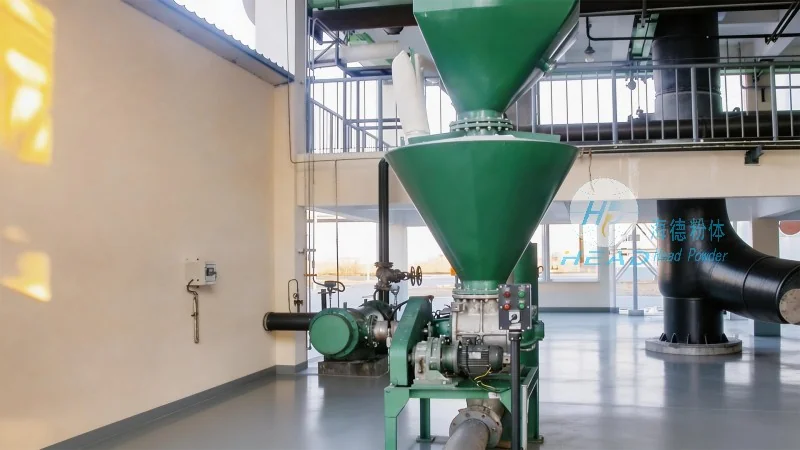
Advantages and Applications of Activated Carbon Pneumatic Conveying
Activated carbon pneumatic conveying offers several advantages over traditional mechanical conveying methods. It eliminates the need for moving parts in the conveying line, reducing maintenance requirements and the risk of material contamination. The system is also highly flexible, allowing for changes in the layout or flow rate without major modifications. Additionally, it can handle materials with varying particle sizes and moisture content, making it suitable for a wide range of industrial applications. The primary applications of activated carbon pneumatic conveying include the transport of activated carbon from storage to adsorption units, filtration systems, or processing plants. It is commonly used in water treatment facilities, air purification systems, and chemical processing industries where activated carbon is a critical component.
HeadPowder's Commitment to Activated Carbon Pneumatic Conveying Solutions
As a leading manufacturer in the industry, Shandong HeadPowder Engineering Co., Ltd. specializes in providing customized activated carbon pneumatic conveying systems tailored to the specific needs of its clients. The company's team of engineers and technicians works closely with customers to design and implement systems that meet their operational requirements, ensuring efficiency, reliability, and compliance with industry standards. HeadPowder offers comprehensive support, including system installation, commissioning, and after-sales service, to ensure that its clients achieve optimal performance and longevity from their activated carbon pneumatic conveying systems. With a focus on quality and customer satisfaction, HeadPowder continues to be a trusted partner in the industrial material handling sector.