

Operation Process and Working Principle of Soapstone Pneumatic Conveying System
The soapstone pneumatic conveying system is a specialized industrial equipment designed for the efficient transportation of soapstone materials. As a key component in material handling processes, this system integrates advanced pneumatic technology to ensure reliable and continuous material transfer. The following sections will detail the operational process and working principles, providing a comprehensive understanding of how the system functions.
Key Components of the Pneumatic Conveying System
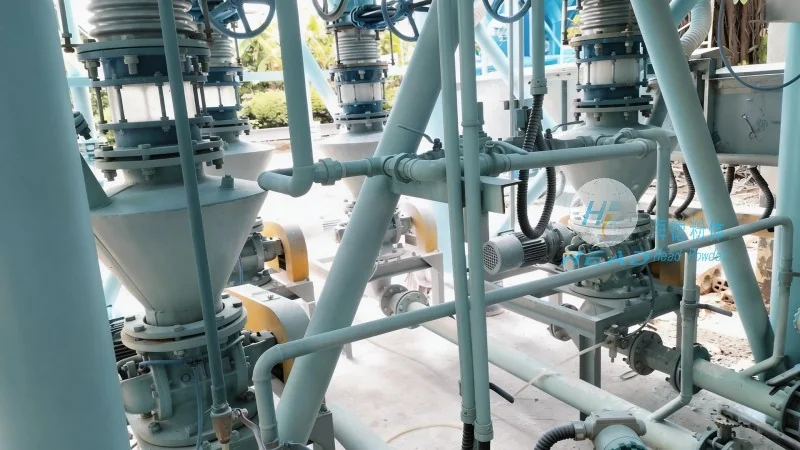
The soapstone pneumatic conveying system consists of several critical components that work in harmony to achieve effective material transport. These include the material hopper, which serves as the storage and feeding unit; the air compressor, responsible for generating the necessary air pressure; the conveying pipeline, which transports the material and air mixture; the control valve and regulator, which manage the flow and pressure; and the discharge hopper, where the material is deposited. Each component plays a vital role in maintaining the system's efficiency and safety.
Working Principle of the Pneumatic Conveying Process
The core working principle of the soapstone pneumatic conveying system is based on the use of compressed air to create a flow that propels the soapstone particles through the pipeline. The process begins with the material being fed from the hopper into the conveying line. Simultaneously, the air compressor supplies high-pressure air into the system. As the air and material mixture moves through the pipeline, the air velocity is sufficient to lift and transport the soapstone particles. The system utilizes either positive pressure or negative pressure (or a combination of both) to ensure stable and consistent material transfer. The control valve and regulator adjust the air pressure and flow rate to match the material characteristics and conveying distance, optimizing the system's performance.
Operation Process Step-by-Step
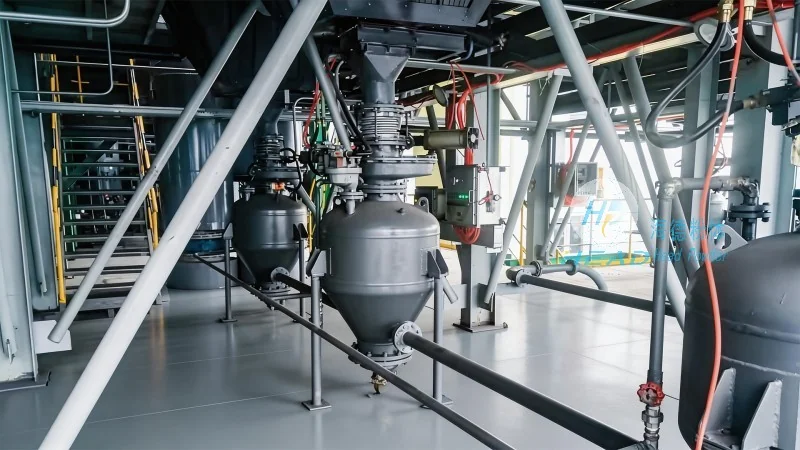
The operation of the soapstone pneumatic conveying system follows a systematic sequence to ensure smooth and efficient material handling. The process starts with the preparation phase, where the soapstone material is loaded into the material hopper. The air compressor is then activated to generate the required air pressure. Next, the material is released from the hopper into the conveying pipeline, where it is mixed with the compressed air. The mixture travels through the pipeline to the discharge hopper, where the material is separated from the air and collected. The system continuously monitors the pressure and flow parameters to maintain optimal operation. In case of any disruptions, such as blockages or pressure drops, the control system activates safety mechanisms to prevent damage and ensure the system's reliability.
Advantages of the Soapstone Pneumatic Conveying System
Compared to traditional material handling methods, the soapstone pneumatic conveying system offers several advantages that enhance operational efficiency and product quality. These include reduced material degradation due to minimal contact with equipment, lower labor costs as the system operates automatically, and improved safety by minimizing manual handling of bulk materials. The system also allows for flexible conveying routes, enabling the integration of multiple processing stages without the need for complex infrastructure. Additionally, the system's compact design and low maintenance requirements make it a cost-effective solution for soapstone processing facilities.
Applications and Industries
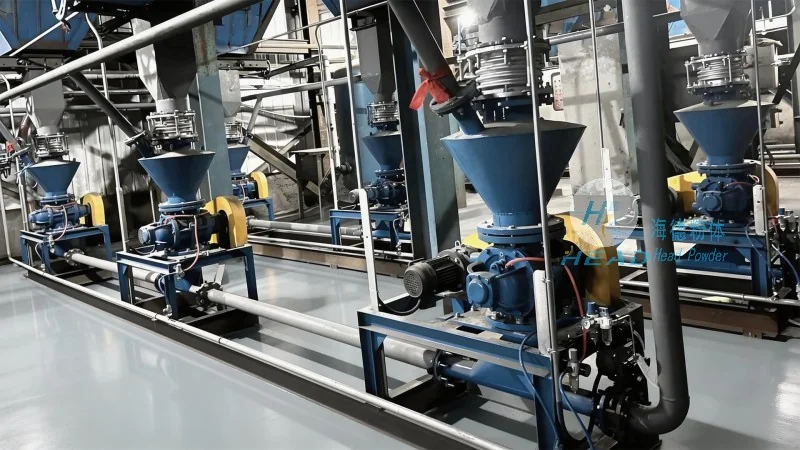
The soapstone pneumatic conveying system is widely used in various industries that handle bulk materials, particularly in the processing of natural stone products. Key applications include soapstone mining operations, where the system transports raw soapstone from the mine to processing facilities; soapstone manufacturing plants, where the system moves processed soapstone for further refinement or packaging; and construction material suppliers, where the system delivers soapstone for building and decorative applications. The system's adaptability to different material sizes and conveying distances makes it suitable for a range of industrial needs.
Conclusion
In conclusion, the soapstone pneumatic conveying system is a highly efficient and reliable solution for the transportation of soapstone materials. By leveraging advanced pneumatic technology, the system ensures consistent and safe material handling, reducing operational costs and improving overall productivity. The detailed understanding of its operation process and working principles is essential for optimizing system performance and ensuring long-term reliability. As a leading provider in this field, Shandong HeadPowder Engineering Co., Ltd. specializes in designing and manufacturing customized pneumatic conveying systems tailored to the specific needs of soapstone processing industries.