

Operation Process and Working Principle of Glutinous Rice Pneumatic Conveying System
Glutinous rice, a staple in many Asian cuisines, requires efficient and hygienic handling during processing. The operation of a pneumatic conveying system designed specifically for glutinous rice is a critical aspect of modern food processing, ensuring that the product remains intact and free from contamination. This article delves into the detailed operation process and working principles of such a system, highlighting its importance in the industry.
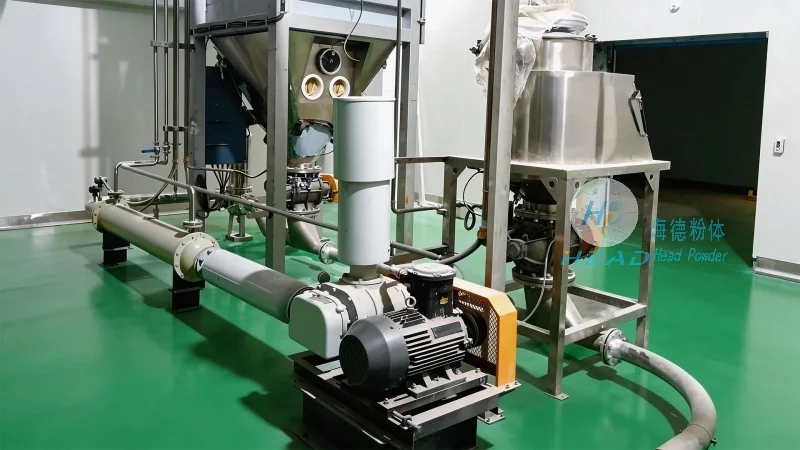
Introduction to the Glutinous Rice Pneumatic Conveying System
The glutinous rice pneumatic conveying system is a specialized piece of equipment used to transport glutinous rice from one location to another within a processing facility. It operates by using air pressure or vacuum to move the rice through a network of pipes. This method is preferred over traditional methods like belt conveyors or bucket elevators due to its ability to maintain product integrity and reduce the risk of contamination.
About Shandong HeadPowder Engineering Co., Ltd.
HeadPowder, the manufacturer of this advanced pneumatic conveying system, is a leading company in the field of engineering solutions for food processing. With its headquarters in Shandong, China, HeadPowder has established itself as a trusted provider of high-quality equipment tailored to the needs of the food industry. The company's commitment to innovation and customer satisfaction has made it a preferred choice for businesses seeking reliable and efficient processing solutions.
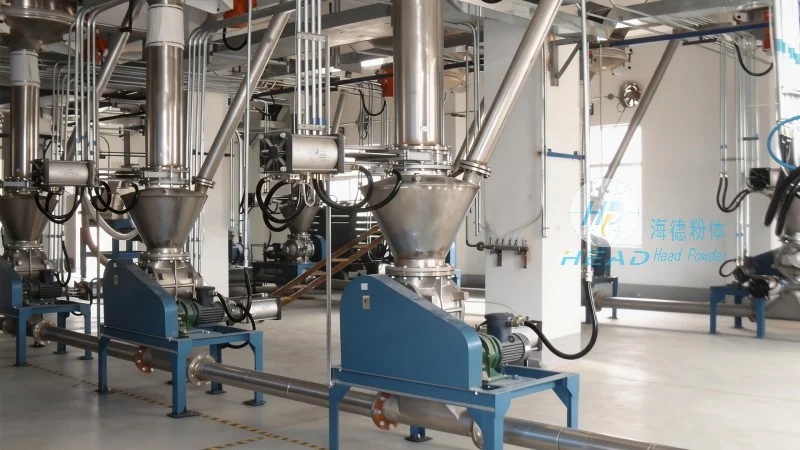
Key Features of the Glutinous Rice Pneumatic Conveying System
The system developed by HeadPowder is engineered with several key features that enhance its performance and usability. These include a robust material handling capability, which allows for the transportation of large volumes of glutinous rice without compromising on quality. The system is also designed with hygienic materials, such as stainless steel, to meet the stringent requirements of food safety regulations. Additionally, it incorporates advanced control systems that enable precise regulation of air flow and pressure, ensuring optimal operation under various conditions.
Step-by-Step Operation Process
The operation of the glutinous rice pneumatic conveying system follows a systematic process that ensures smooth and efficient material transport. The process begins with the loading of glutinous rice into the hopper, where it is stored before being fed into the system. Once the hopper is filled, the system is activated by the control panel, which starts the air compressor and adjusts the pressure settings. The rice is then drawn into the pipeline by the air flow, moving through the system to the discharge point. The system continues to operate until the hopper is empty, at which point it can be refilled and the cycle repeated. Regular maintenance checks are performed to ensure the system remains in optimal condition, preventing any potential issues that could affect its performance.
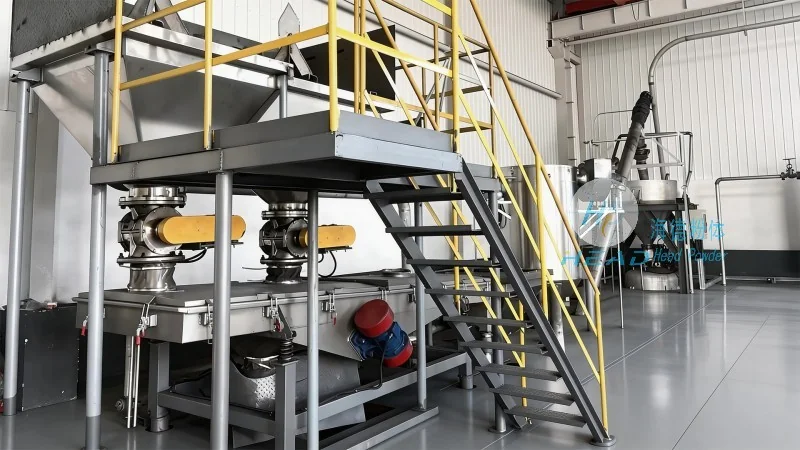
Working Principle of the Pneumatic Conveying System
The working principle of the glutinous rice pneumatic conveying system is based on the principles of fluid dynamics and air pressure. The system utilizes either positive pressure or negative pressure to move the rice through the pipes. In positive pressure systems, air is blown into the pipeline, creating a pressure higher than the ambient air, which pushes the rice forward. In negative pressure systems, a vacuum is created in the pipeline, drawing the rice into the system. The system typically includes a series of components such as a hopper, a rotary valve, a pipeline network, a filter, and a receiver. The rotary valve acts as a gate, controlling the flow of rice into the pipeline, while the filter removes any debris or dust from the air. The receiver collects the rice at the end of the pipeline, where it is discharged into a storage container or directly into the next processing stage.
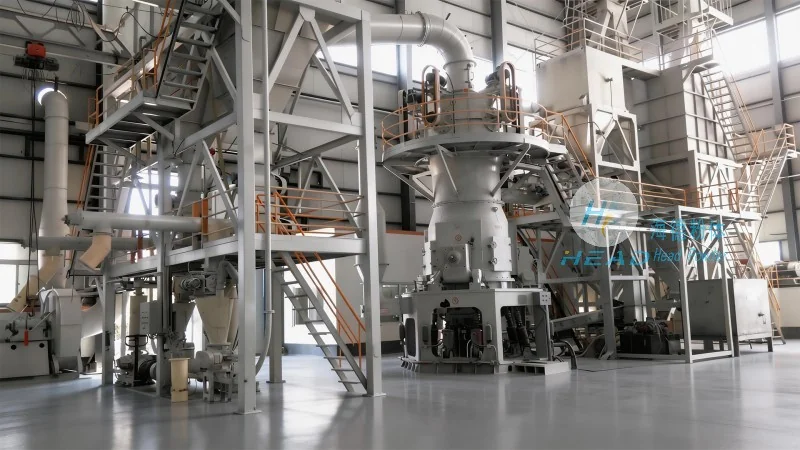
Advantages of Using a Pneumatic Conveying System for Glutinous Rice
Implementing a pneumatic conveying system for glutinous rice processing offers several advantages over traditional methods. Firstly, it provides a hygienic and dust-free environment, which is crucial for maintaining the quality and safety of the product. The system also reduces the risk of product contamination by eliminating the need for manual handling. Additionally, it offers high efficiency in terms of material transport, as it can move large volumes of rice quickly and with minimal labor. The system is also flexible, allowing for easy integration into existing processing lines and adaptation to different production requirements. Finally, the system is low maintenance, with fewer moving parts compared to traditional conveyors, reducing the overall operational costs for the business.
Conclusion
In conclusion, the operation process and working principle of the glutinous rice pneumatic conveying system developed by Shandong HeadPowder Engineering Co., Ltd. represent a significant advancement in food processing technology. By combining efficiency, hygiene, and reliability, this system provides an ideal solution for businesses involved in the processing of glutinous rice. The detailed understanding of its operation and principles is essential for maximizing its benefits and ensuring optimal performance in any processing facility.