

Operation Process and Working Principle of Foam Pneumatic Conveying Systems
For industries dealing with bulk materials, efficient and reliable material handling is crucial. The foam pneumatic conveying system, a specialized technology developed by Shandong HeadPowder Engineering Co., Ltd., offers an innovative solution for transporting powders and granules. This article delves into the operation process and working principle of such systems, highlighting how they enhance material transport efficiency while ensuring safety and environmental compliance.
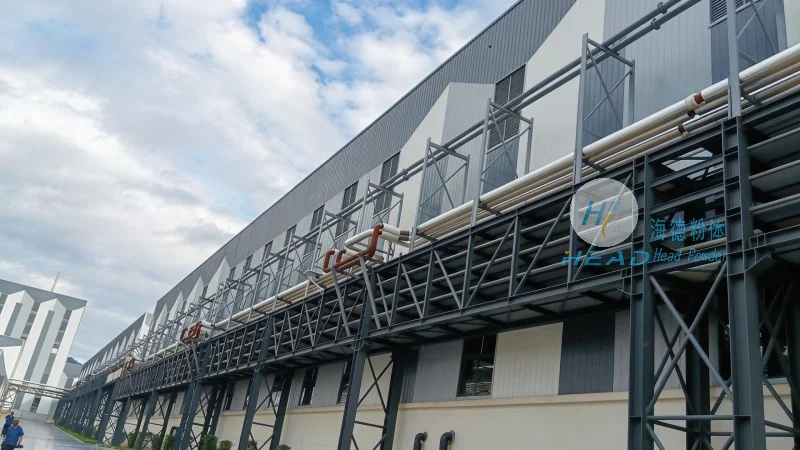
Understanding Foam Pneumatic Conveying Systems
At the core of foam pneumatic conveying is the use of a foam medium, typically created by mixing air with a liquid (often water or a specific solution). This foam, characterized by its low density and high volume, serves as the conveying medium. The system integrates components like a foam generator, material feed hopper, conveying line, and a receiver, all working in tandem to move materials from the source to the destination. HeadPowder, a leading manufacturer based in Shandong, China, specializes in designing and manufacturing these systems tailored to various industrial applications.
The Operation Process of Foam Pneumatic Conveying
The operation process of a foam pneumatic conveying system involves several key steps. First, the material to be conveyed is fed into the material feed hopper. Simultaneously, the foam generator produces the foam by mixing air and a liquid, which is then introduced into the conveying line. As the foam flows through the line, it picks up the material particles, forming a slurry-like mixture. This mixture travels through the pipeline under the pressure of the foam, reaching the receiver where the material is deposited. The system then separates the foam from the material, either by allowing the foam to dissipate or by recycling it for reuse. The entire process is automated, with controls that regulate the flow rate, pressure, and foam generation to ensure optimal performance. HeadPowder’s systems are equipped with advanced control panels that allow operators to monitor and adjust parameters in real-time, ensuring consistent and reliable operation.
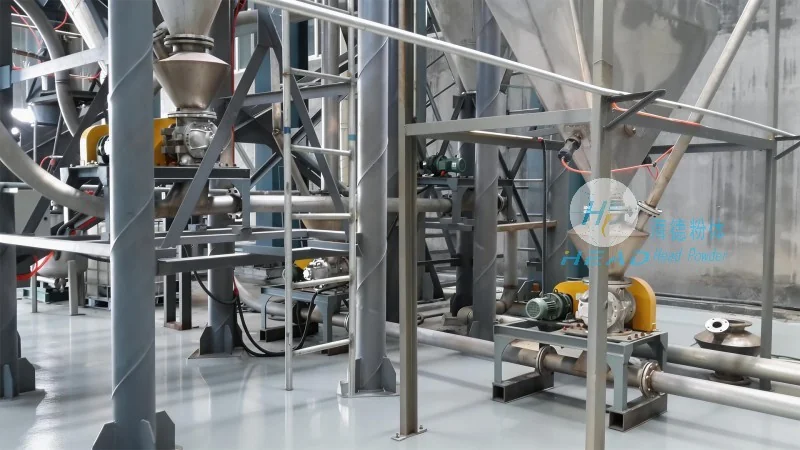
Working Principle of Foam Pneumatic Conveying
The working principle of foam pneumatic conveying is based on the principle of fluidization and pneumatic transport. The foam acts as a carrier, providing a low-density medium that reduces the friction between the material particles and the pipeline. This reduces the pressure drop along the conveying line, allowing for longer distances and higher material throughput. The foam’s ability to suspend and transport particles is enhanced by the air-liquid mixture, which creates a stable and uniform flow. The system’s design ensures that the foam maintains its structure throughout the conveying process, preventing clogging and ensuring smooth material transport. HeadPowder’s engineers have optimized the foam generation and distribution to maximize the conveying efficiency, minimizing energy consumption and material degradation. The use of foam also helps in controlling dust emissions, as the material is enclosed within the foam, reducing airborne particles and improving workplace safety.
Key Advantages of Foam Pneumatic Conveying Systems
Foam pneumatic conveying systems offer several advantages over traditional pneumatic conveying methods. Firstly, they can handle a wide range of materials, including fine powders and abrasive particles, without causing damage or degradation. The low pressure required for foam transport reduces wear and tear on the pipeline and components, extending their lifespan. Secondly, the system is highly flexible, allowing for changes in material type or flow rate without major modifications. HeadPowder’s systems are designed to be modular, enabling easy integration into existing production lines or expansion as needed. Thirdly, the foam medium helps in controlling dust, making the operation more environmentally friendly and compliant with regulations. The system also allows for the transport of materials over long distances with minimal energy consumption, making it cost-effective for large-scale operations. Additionally, the automated control systems reduce the need for manual intervention, improving operational efficiency and reducing labor costs.
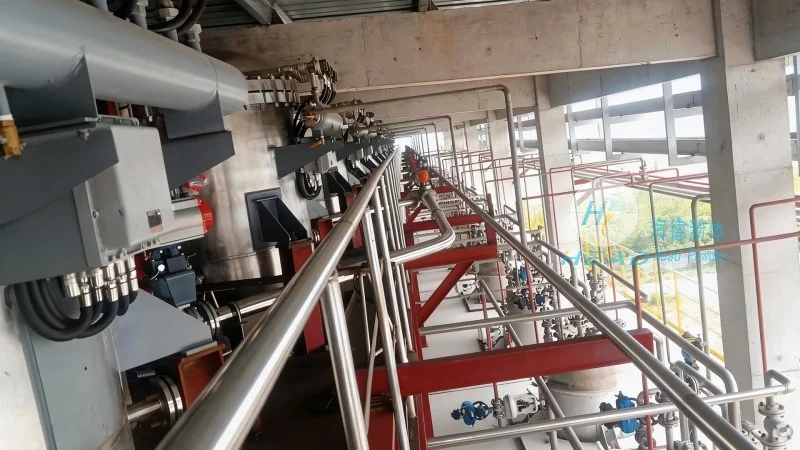
Applications and Industries
Foam pneumatic conveying systems are widely used in various industries, including pharmaceuticals, food processing, chemical manufacturing, and mining. In the pharmaceutical industry, the system is used to transport active ingredients and excipients with high precision, ensuring product quality and safety. The food industry utilizes foam conveying for handling powders like flour, sugar, and spices, maintaining hygiene and preventing contamination. Chemical manufacturers use the system for transporting abrasive and corrosive materials, protecting equipment and ensuring product integrity. In mining operations, foam conveying is employed to transport bulk materials like ores and coal, improving efficiency and reducing labor costs. HeadPowder’s systems have been successfully implemented in these industries, providing reliable and efficient material handling solutions.
Conclusion
Foam pneumatic conveying systems, as developed and manufactured by Shandong HeadPowder Engineering Co., Ltd., represent a significant advancement in material handling technology. By leveraging the principles of foam generation and pneumatic transport, these systems offer efficient, safe, and environmentally friendly solutions for transporting bulk materials. The operation process, characterized by automated control and modular design, ensures consistent performance and adaptability to various industrial needs. With its headquarters in Shandong, China, HeadPowder continues to innovate and provide customized solutions that meet the evolving demands of industries worldwide. The adoption of foam pneumatic conveying not only enhances operational efficiency but also contributes to sustainable industrial practices, making it a preferred choice for modern material handling applications.