

Operation Process and Working Principle of Carbide Slag Pneumatic Conveying System
This article provides an in-depth overview of the operation process and working principle of a carbide slag pneumatic conveying system, a critical equipment used in industrial waste management and material handling. The system is designed to efficiently transport carbide slag, a byproduct of the calcium carbide production process, from one location to another using air as the conveying medium. By understanding the operational mechanics and workflow, users can better appreciate the efficiency and reliability of such systems in industrial applications.
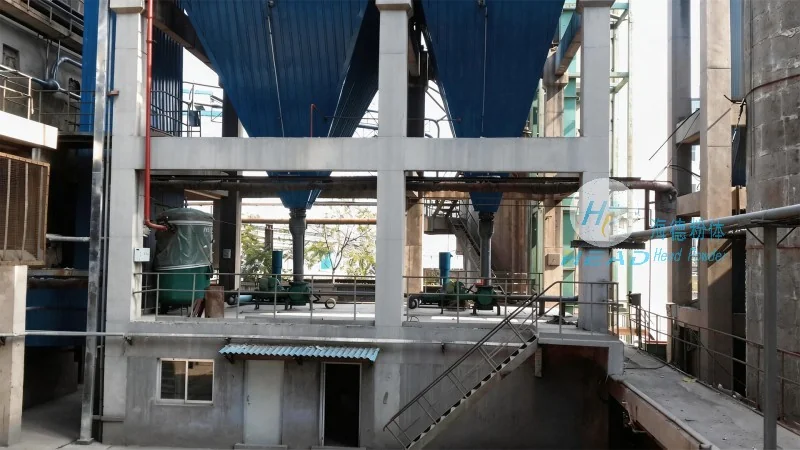
Company Profile: Shandong HeadPowder Engineering Co., Ltd.
HeadPowder, the manufacturer of this advanced pneumatic conveying system, is a leading engineering company based in Shandong, China. With a strong commitment to innovation and quality, HeadPowder specializes in the design, manufacturing, and supply of industrial equipment tailored to meet the specific needs of various industries. The company's headquarters is located in Shandong, where it operates a state-of-the-art production facility and a dedicated research and development center. HeadPowder's expertise in material handling systems has earned it a reputation for delivering reliable and efficient solutions that enhance operational productivity and reduce downtime.
Understanding the Carbide Slag Pneumatic Conveying System
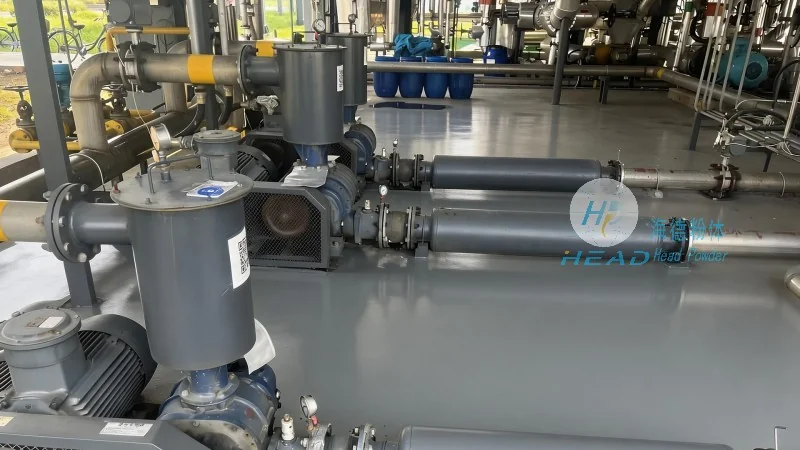
The carbide slag pneumatic conveying system operates on the principle of pneumatic transport, which involves the use of compressed air to move bulk materials through a pipeline. In this system, carbide slag is fed into a hopper or feeder, where it is then introduced into a pipeline. The compressed air, generated by a blower or fan, creates a pressure differential that propels the material forward. The system typically includes components such as a hopper, feeder, pipeline, and receiver, each playing a crucial role in the overall conveying process.
Step-by-Step Operation Process
The operation of the carbide slag pneumatic conveying system follows a systematic sequence of steps to ensure efficient material transport. First, the carbide slag is stored in a storage silo or hopper. The material is then fed into the conveying system via a feeder, which controls the flow rate and consistency. The feeder ensures that the material is introduced into the pipeline at a controlled rate, preventing blockages and maintaining system stability. Next, the compressed air is supplied to the pipeline, creating a positive pressure that moves the material through the system. The air and material mixture travels through the pipeline to the receiving hopper or destination point. Finally, the material is discharged from the receiver, completing the conveying cycle. The system may also include a filter or separator to remove any excess air or fine particles before the material is collected.
Working Principle of the Pneumatic Conveying System
The working principle of the carbide slag pneumatic conveying system is based on the interaction between the material and the air flow within the pipeline. When the compressed air is introduced into the pipeline, it creates a low-pressure zone that draws the material into the air stream. The material is then carried forward by the air flow, which acts as a carrier. The velocity of the air is critical in determining the conveying capacity and efficiency of the system. Proper air velocity ensures that the material is fully suspended and transported without settling or clogging the pipeline. The system may use different conveying modes, such as dilute phase or dense phase, depending on the material characteristics and application requirements. Dilute phase conveying involves a higher air-to-material ratio, resulting in a faster conveying speed but potentially lower efficiency. Dense phase conveying, on the other hand, uses a lower air-to-material ratio, which is more suitable for handling abrasive or sensitive materials like carbide slag.
Key Components and Their Functions
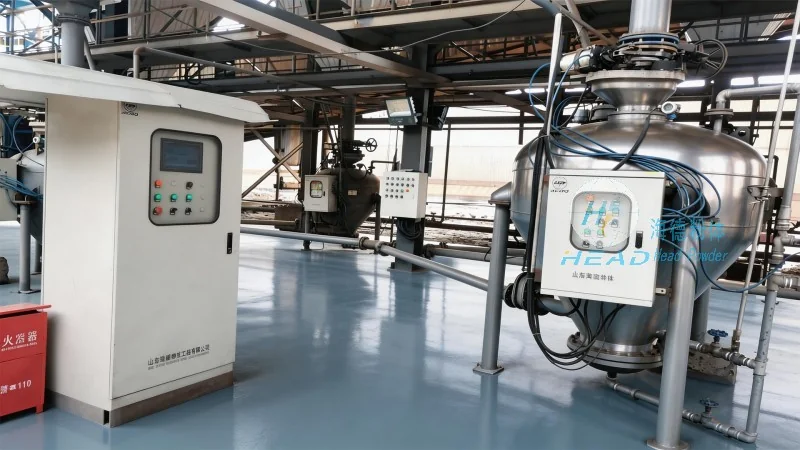
The carbide slag pneumatic conveying system consists of several key components, each with a specific function to ensure smooth operation. The hopper or storage silo is used to store the carbide slag before it is fed into the system. The feeder, typically a rotary valve or screw feeder, controls the flow rate of the material into the pipeline. The blower or fan generates the compressed air required for conveying. The pipeline, usually made of stainless steel or other corrosion-resistant materials, transports the material and air mixture. The receiver or discharge hopper collects the conveyed material. Additionally, the system may include a filter or separator to remove any fine particles or excess air, ensuring that the material is delivered in a clean and consistent manner. The control system, which may include sensors and valves, monitors and regulates the flow of material and air to maintain optimal performance.
Benefits and Applications of the System
The carbide slag pneumatic conveying system offers several benefits that make it an ideal choice for industrial applications. One of the primary advantages is its ability to transport materials over long distances without the need for mechanical components like conveyor belts or buckets. This reduces maintenance costs and increases operational reliability. The system is also highly flexible, allowing for changes in the conveying route or destination without major modifications. Additionally, the use of air as the conveying medium minimizes material contamination and prevents the spread of dust or particles, which is particularly important for handling hazardous or sensitive materials like carbide slag. The system is widely used in industries such as chemical manufacturing, steel production, and waste management, where efficient and safe material handling is crucial.