

Operation Process and Working Principle of the Air-Solid Conveying System Equipment for Heptahydrate
Heptahydrate magnesium sulfate, commonly known as Epsom salt, is a widely used chemical compound in various industrial applications. The air-solid conveying system equipment designed for its efficient transport plays a crucial role in modern material handling processes. This article provides a detailed overview of the operation process and working principle of such a system, highlighting the technical aspects and practical applications.
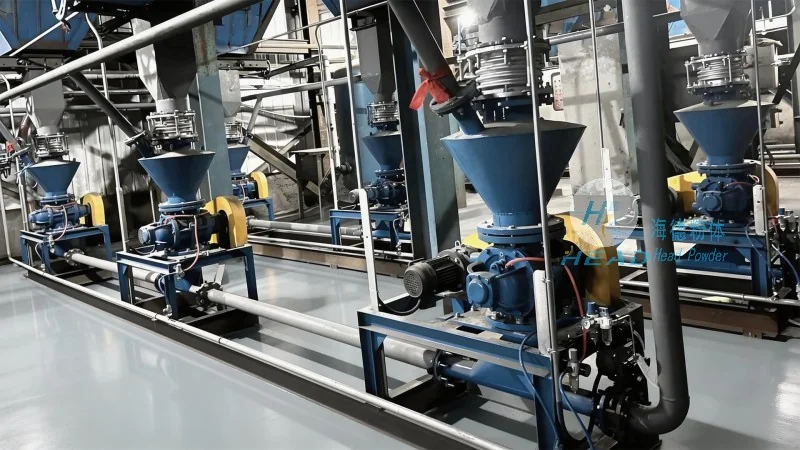
Introduction to Heptahydrate Magnesium Sulfate and Air-Solid Conveying Systems
Heptahydrate magnesium sulfate (MgSO₄·7H₂O) is a hygroscopic, white crystalline solid that is commonly used in agriculture, pharmaceuticals, and food processing industries. Its bulk handling and transportation require specialized equipment to ensure safety, efficiency, and minimal product degradation. The air-solid conveying system, also known as pneumatic conveying, is a technology that uses compressed air to transport bulk materials like heptahydrate magnesium sulfate through pipelines. This method offers advantages such as reduced labor costs, improved hygiene, and the ability to handle materials in enclosed systems, minimizing dust and contamination.
Key Components of the Air-Solid Conveying System
The air-solid conveying system for heptahydrate magnesium sulfate typically consists of several key components that work in coordination to achieve efficient material transport. These components include a material hopper or feeder, a compressor or air supply unit, a conveying pipeline, a control system, and a discharge or collection unit. Each component plays a vital role in the overall operation of the system.
Material Hopper and Feeder
The material hopper is the initial component where heptahydrate magnesium sulfate is stored before being fed into the conveying system. It is designed to hold a sufficient quantity of the material to ensure continuous operation without frequent refilling. The feeder, often a rotary valve or a screw feeder, regulates the flow rate of the material from the hopper into the conveying pipeline. Precise control of the feed rate is essential to maintain a stable and consistent flow of material, preventing blockages or uneven conveying.
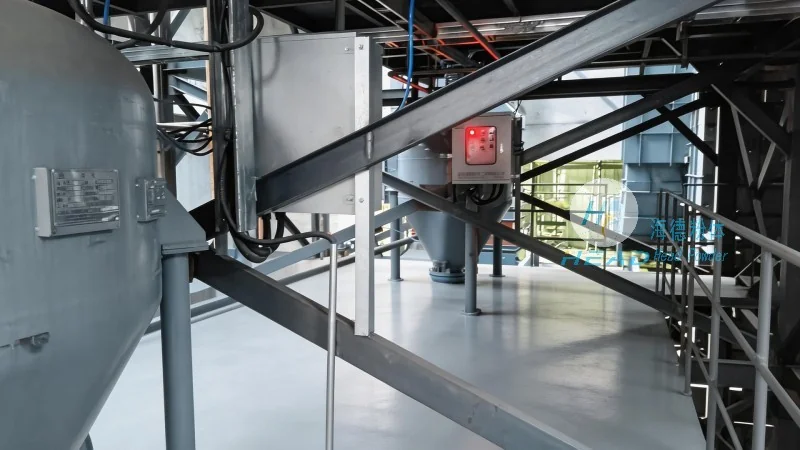
Compressor and Air Supply Unit
The compressor or air supply unit is responsible for generating the high-pressure air required to move the heptahydrate magnesium sulfate through the pipeline. This unit typically includes a motor, a compressor, and an air filter to ensure clean and dry air is supplied to the system. The pressure and flow rate of the air are critical parameters that determine the conveying capacity and efficiency of the system. Proper maintenance of the compressor is essential to ensure consistent performance and prevent air leaks or pressure fluctuations.
Conveying Pipeline and Air-Solid Flow
The conveying pipeline is the main channel through which the heptahydrate magnesium sulfate is transported. It is usually made of stainless steel or other corrosion-resistant materials to withstand the chemical properties of the material and the effects of compressed air. The pipeline is designed with appropriate bends and fittings to maintain the flow of material without causing excessive pressure drops or blockages. The air-solid flow within the pipeline can be categorized into different modes, such as dilute phase and dense phase conveying, each with its own characteristics and applications.
Control System and Monitoring
The control system of the air-solid conveying system monitors and regulates various parameters, including air pressure, material flow rate, and pipeline pressure. It ensures that the system operates within safe and optimal conditions, preventing overloading or under-conveying. Modern control systems often include sensors and automation technologies to provide real-time data and adjust the operation of the system dynamically. This helps in maintaining consistent performance and reducing downtime due to operational issues.
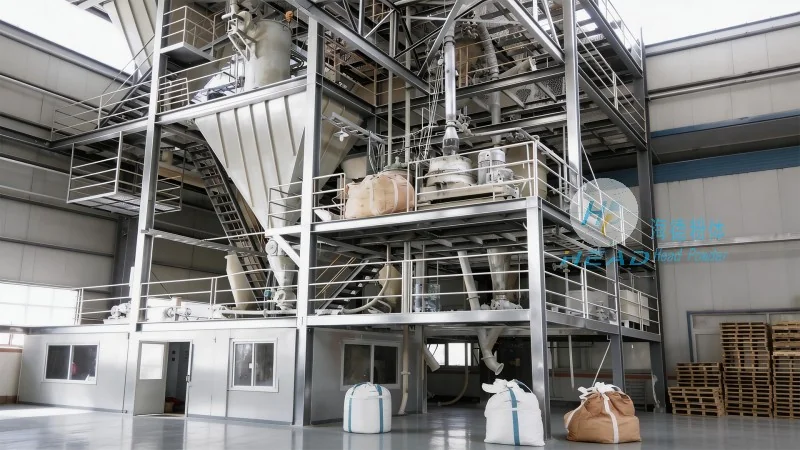
Discharge and Collection Unit
The discharge or collection unit is the final component where the heptahydrate magnesium sulfate is deposited after being conveyed through the pipeline. It is designed to handle the material safely and efficiently, preventing spillage or contamination. The unit may include a hopper or a silo where the material is stored before further processing or packaging. Proper sealing and cleaning of the discharge unit are essential to maintain product quality and prevent cross-contamination.
Operation Process of the Air-Solid Conveying System
The operation process of the air-solid conveying system for heptahydrate magnesium sulfate involves several sequential steps that ensure smooth and continuous material transport. The process typically starts with the loading of the material into the hopper, followed by the activation of the feeder to regulate the flow rate. Simultaneously, the compressor is started to generate the required air pressure. The air is then introduced into the conveying pipeline, creating a flow that carries the heptahydrate magnesium sulfate from the hopper to the discharge unit. The control system continuously monitors the operation, adjusting the air pressure and feed rate as needed to maintain optimal conveying conditions. Once the material reaches the discharge unit, it is collected and prepared for further use or packaging.
Working Principle of the Air-Solid Conveying System
The working principle of the air-solid conveying system is based on the interaction between the compressed air and the bulk material. When compressed air is introduced into the conveying pipeline, it creates a low-pressure zone that draws the heptahydrate magnesium sulfate particles into the air stream. The air flow then transports the material through the pipeline, maintaining a stable suspension of the particles in the air. The velocity of the air and the size of the material particles determine the conveying capacity and the mode of operation (dilute or dense phase). In dilute phase conveying, the material is suspended in the air as individual particles, while in dense phase conveying, the material is transported as a dense plug, which is more suitable for handling fine powders or sensitive materials.
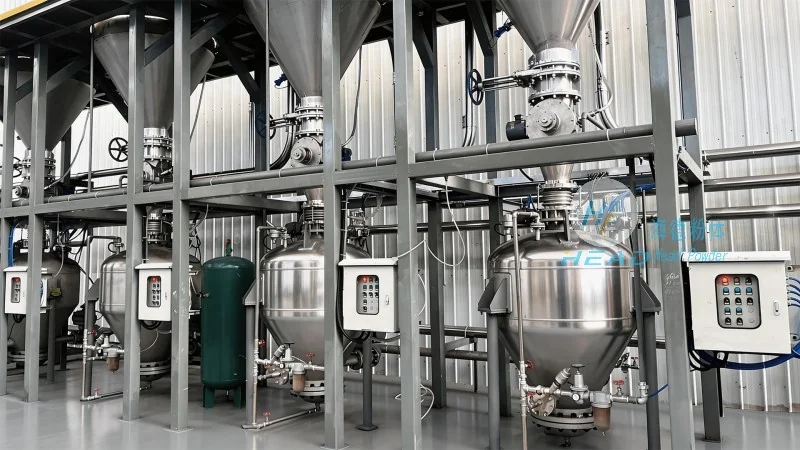
Advantages and Applications of the Air-Solid Conveying System
The air-solid conveying system for heptahydrate magnesium sulfate offers several advantages over traditional bulk handling methods. These include reduced labor costs, improved product quality due to enclosed handling, and the ability to transport materials over long distances without the need for intermediate storage. The system is particularly suitable for applications where hygiene and dust control are critical, such as in pharmaceutical and food processing industries. Additionally, the system can handle materials with varying particle sizes and moisture content, making it versatile for different industrial needs.
Maintenance and Troubleshooting
Regular maintenance of the air-solid conveying system is essential to ensure its long-term performance and reliability. This includes checking the compressor for air leaks, cleaning the air filter regularly, and inspecting the conveying pipeline for blockages or corrosion. Common issues that may arise include material buildup in the pipeline, air pressure fluctuations, or feeder malfunctions. Troubleshooting these issues requires a systematic approach, starting with checking the control system parameters and then inspecting the individual components for wear or damage. Proper maintenance and timely repairs can significantly reduce downtime and extend the lifespan of the system.
Conclusion
The air-solid conveying system equipment for heptahydrate magnesium sulfate is a sophisticated and efficient solution for bulk material handling. By understanding the operation process and working principle of the system, users can optimize its performance and ensure safe and reliable transport of the material. The system's advantages, such as enclosed handling and reduced labor costs, make it a preferred choice in various industrial applications. With proper maintenance and operation, the air-solid conveying system can provide consistent and high-quality performance, contributing to the overall productivity and efficiency of material handling processes.