

Operation Process and Working Principle of Stabilizer Powder Pneumatic Conveying System Equipment
For industries dealing with stabilizer powders, efficient and reliable material handling is crucial. Pneumatic conveying systems offer a solution that minimizes dust, reduces contamination risks, and enhances overall operational efficiency. This article explores the operation process and working principle of such systems, highlighting the key components and the role they play in the material transport process.
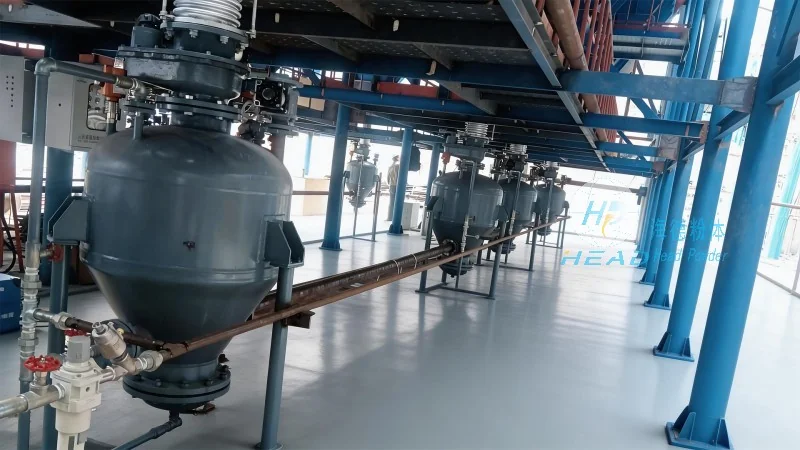
Key Components of the Pneumatic Conveying System
The pneumatic conveying system for stabilizer powders typically consists of several essential components that work in tandem to ensure smooth material transport. These include the hopper or feeder, which holds the powder; the air compressor or blower that generates the conveying air; the pipeline network that transports the material; and the receiver or discharge unit where the powder is deposited. Each component is designed to handle the specific characteristics of stabilizer powders, such as their fineness, density, and flowability.
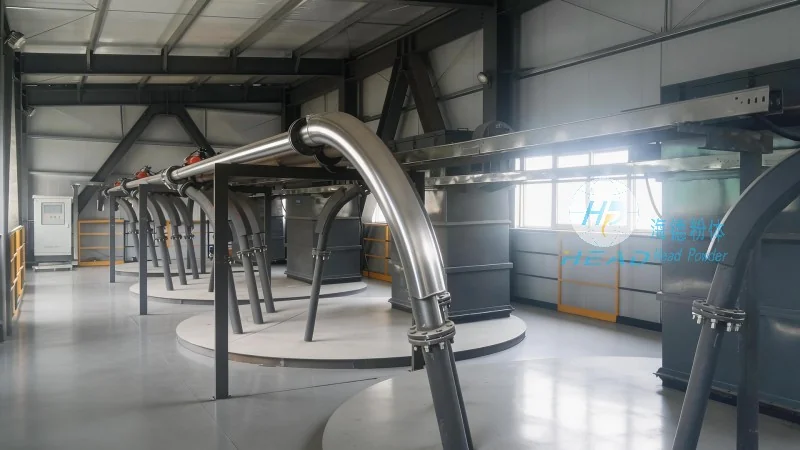
Working Principle of the Pneumatic Conveying Process
The operation of the pneumatic conveying system begins with the feeding of stabilizer powder into the hopper. The powder is then drawn into the pipeline by the air flow generated by the compressor, which creates a pressure differential that propels the particles forward. The velocity of the air is carefully regulated to ensure the powder is conveyed without causing excessive wear on system components or generating excessive dust. The system may utilize either positive pressure (blowing air into the pipeline) or negative pressure (suction via a vacuum) to move the material, depending on the application requirements and the distance the powder needs to travel. This dual approach allows for flexibility in handling different powder characteristics and operational scenarios.
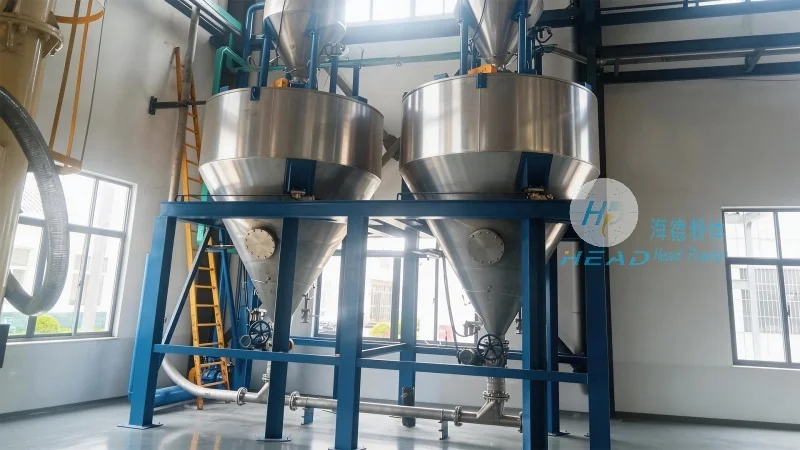
Operation Process: Step-by-Step Overview
The operation process of the pneumatic conveying system for stabilizer powders involves a series of coordinated steps to ensure consistent and efficient material transport. First, the stabilizer powder is loaded into the hopper, where it is stored until needed. Next, the air compressor is activated, and the conveying air is introduced into the pipeline. The powder is then released from the hopper into the air stream, forming a mixture that travels through the pipeline to the receiver. The receiver is typically equipped with a filter or separator to remove excess air and collect the powder in a clean container. This process is repeated as required to transport the stabilizer powder from the source to the destination, ensuring a continuous and reliable supply of material.
Advantages of Using Pneumatic Conveying Systems for Stabilizer Powders
Implementing a pneumatic conveying system for stabilizer powders offers several advantages over traditional material handling methods. These include reduced dust exposure for operators, lower risk of contamination from external sources, and improved safety due to the enclosed system design. Additionally, the system allows for precise control over the flow rate and pressure, enabling better regulation of the material transport process. The enclosed nature of the system also helps maintain the quality of the stabilizer powder, preventing moisture absorption or degradation that could occur with open handling methods.
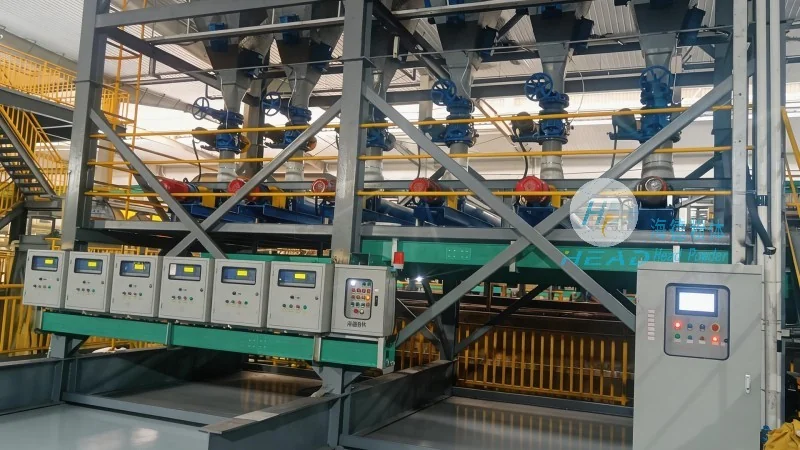
About Shandong HeadPowder Engineering Co., Ltd.
Shandong HeadPowder Engineering Co., Ltd., commonly known as headpowder, is a leading manufacturer and supplier of pneumatic conveying systems and related equipment for the chemical and powder processing industries. With a focus on innovation and quality, the company has developed advanced solutions tailored to the specific needs of stabilizer powder handling. Headpowder's systems are designed to meet the highest standards of efficiency, reliability, and safety, ensuring that clients can achieve optimal performance in their material transport operations. The company's headquarters is located in Shandong, China, where it maintains a state-of-the-art manufacturing facility and a dedicated team of engineers and technicians.