

Operation Process and Working Principle of Powder Material Handling Systems for Lithium-Ion Battery
For companies involved in the production of lithium-ion batteries, the efficient and reliable handling of raw materials is a critical factor in ensuring production efficiency and product quality. Powder material handling systems are essential equipment in this process, responsible for the transport, storage, and distribution of raw materials such as lithium carbonate, lithium hydroxide, and other powders. This article will introduce the operation process and working principle of such systems, focusing on the key components and functional mechanisms that enable smooth material flow in lithium battery manufacturing.
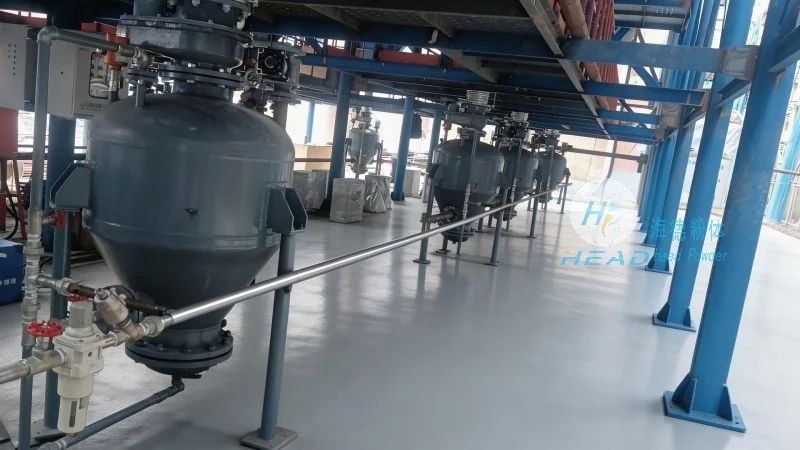
About Shandong HeadPowder Engineering Co., Ltd.
HeadPowder, the company specializing in powder handling technology, is headquartered in Shandong, China. As a professional manufacturer and supplier, HeadPowder provides comprehensive solutions for powder material handling systems tailored to the needs of the lithium battery industry. With years of experience and technical expertise, the company has developed advanced systems that meet the high standards of precision, safety, and efficiency required in modern battery production.
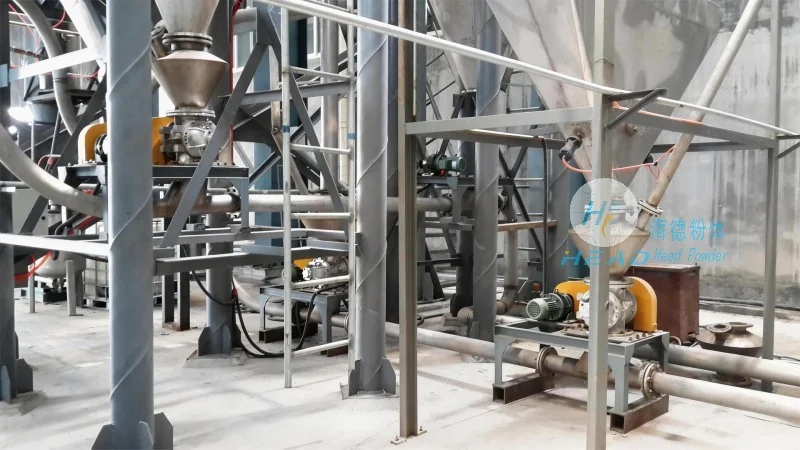
Key Components of the Powder Material Handling System
The powder material handling system for lithium battery raw materials typically consists of several core components, each playing a vital role in the overall operation. These components include material feeders, conveying equipment (such as pneumatic or mechanical conveyors), storage silos, and control systems. The material feeder is responsible for accurately measuring and feeding the raw powder into the conveying system. The conveying equipment then transports the powder from the feeder to the storage silos or directly to the production lines. Storage silos are used to store large quantities of raw materials, ensuring a stable supply and preventing material degradation. The control system monitors and regulates the entire process, ensuring safe and efficient operation.
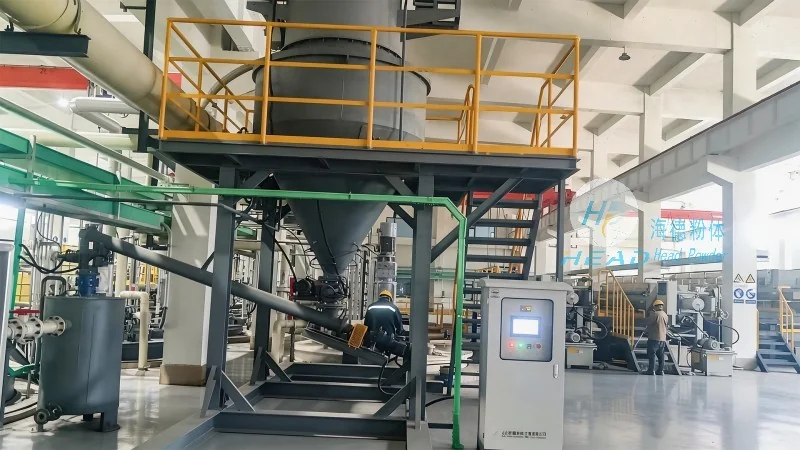
Operation Process of the System
The operation process of the powder material handling system begins with the preparation of raw materials. The raw powder is first loaded into the storage silos. The control system then activates the material feeder, which measures the required amount of powder and releases it into the conveying line. The conveying equipment, which may use air pressure (pneumatic) or mechanical force (such as screw or belt conveyors), transports the powder to the next stage of the production process. For example, the powder may be conveyed to a mixing machine or directly to a battery cell production line. The system continuously monitors the flow rate, pressure, and other parameters to ensure stable operation. If any abnormal conditions are detected, the control system will automatically adjust or stop the operation to prevent accidents or material loss.
Working Principle of the System
The working principle of the powder material handling system is based on the principles of fluidization and pneumatic conveying. In pneumatic conveying systems, the raw powder is mixed with air and transported through a pipeline. The air pressure creates a flow that moves the powder particles, while the control system maintains the appropriate air pressure and flow rate to ensure efficient transport. Mechanical conveying systems, on the other hand, use mechanical components such as screws or belts to move the powder. The screw conveyor, for instance, rotates to push the powder forward, while the belt conveyor uses a moving belt to transport the material. Both systems are designed to handle the specific characteristics of lithium battery raw materials, such as their fine particle size and potential dust generation, ensuring safe and effective handling.
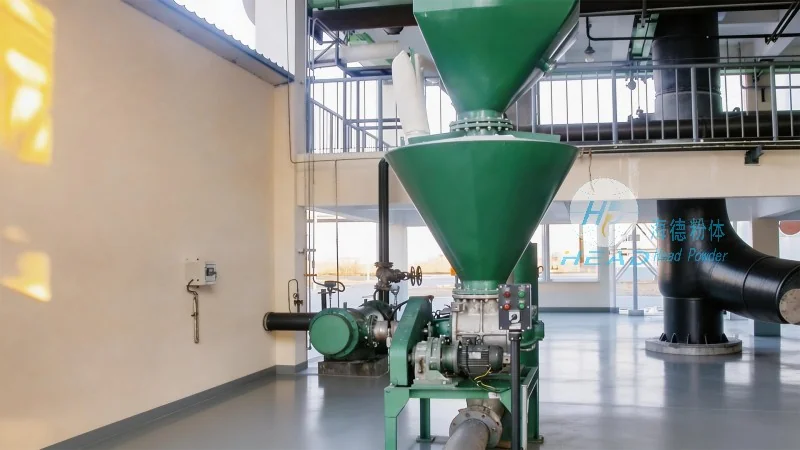
Advantages of the Powder Material Handling System
The powder material handling system for lithium battery raw materials offers several advantages that contribute to improved production efficiency and product quality. Firstly, the system ensures accurate and consistent material feeding, which is crucial for maintaining the chemical composition of the raw materials. This accuracy helps to prevent variations in battery performance and improves the overall quality of the final product. Secondly, the system provides a dust-free and clean environment, reducing the risk of contamination and improving workplace safety. The enclosed design of the system minimizes dust emissions, which is important for compliance with environmental regulations and for maintaining a safe working environment. Thirdly, the system enhances production efficiency by automating the material handling process, reducing the need for manual labor and minimizing downtime. The control system allows for real-time monitoring and adjustment, ensuring that the system operates at optimal performance levels.