

Operation Process and Working Principle of Stainless Steel Powder Bulk Bag Handling Equipment
Shandong HeadPowder Engineering Co., Ltd., a leading manufacturer based in Shandong, China, specializes in the design and production of high-quality stainless steel powder bulk bag handling equipment. This equipment is engineered to efficiently manage the handling, transfer, and storage of stainless steel powders, ensuring precision, safety, and reliability in industrial applications. The following content will detail the operation process and working principle of such equipment, highlighting its key components and functional mechanisms.
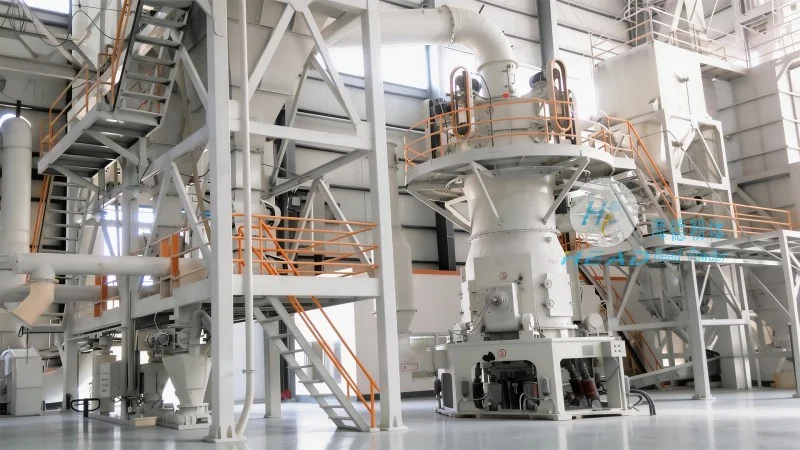
Key Components of the Bulk Bag Handling System
The stainless steel powder bulk bag handling equipment typically consists of several critical components that work in tandem to facilitate smooth operation. These include bulk bag lifting mechanisms, discharge valves, conveyor systems, and material storage containers. The bulk bag itself, made from durable, food-grade or industrial-grade materials, is designed to hold large quantities of powder while maintaining integrity during transport and handling. Stainless steel construction of the equipment ensures resistance to corrosion, making it suitable for handling sensitive materials like stainless steel powders, which are often used in high-purity applications such as metalworking, pharmaceuticals, and chemical processing.
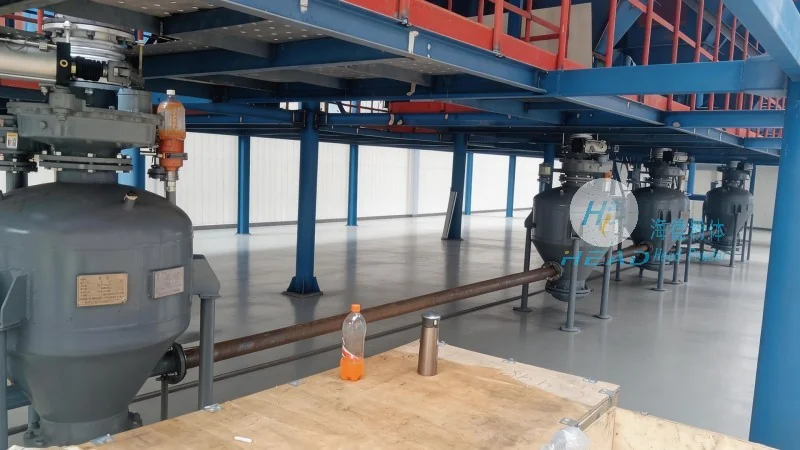
Operation Process of Stainless Steel Powder Bulk Bag Handling Equipment
The operation process of the stainless steel powder bulk bag handling equipment begins with the placement of an empty bulk bag into the designated loading position. The lifting mechanism, often a crane or forklift attachment, secures the bag and positions it over the discharge valve or conveyor system. Once the bag is properly aligned, the discharge valve is opened, allowing the stainless steel powder to flow out. The powder is then transferred through the conveyor system to the storage or processing area. The system may include a hopper or silo to temporarily store the powder before further processing. Throughout the process, sensors and control systems monitor the flow rate and bag weight to prevent overfilling or underfilling, ensuring consistent and efficient material handling. The entire operation is automated to minimize human intervention, reducing the risk of contamination and improving operational efficiency.
Working Principle of the Stainless Steel Powder Bulk Bag Handling Equipment
The working principle of the stainless steel powder bulk bag handling equipment is based on a combination of mechanical and pneumatic systems. The lifting mechanism uses hydraulic or electric motors to raise and position the bulk bag accurately. The discharge valve, often a bottom-discharge type, is controlled by a pneumatic actuator that opens and closes to regulate the flow of powder. The conveyor system, typically a screw or belt conveyor, transports the powder from the bulk bag to the next stage of processing. The control panel, equipped with a user-friendly interface, allows operators to monitor and adjust the system parameters in real-time. The stainless steel construction of the equipment ensures that all components are resistant to corrosion and wear, maintaining the integrity of the powder and the equipment itself. The system is designed to handle various particle sizes and flow characteristics of stainless steel powders, making it versatile for different industrial applications.
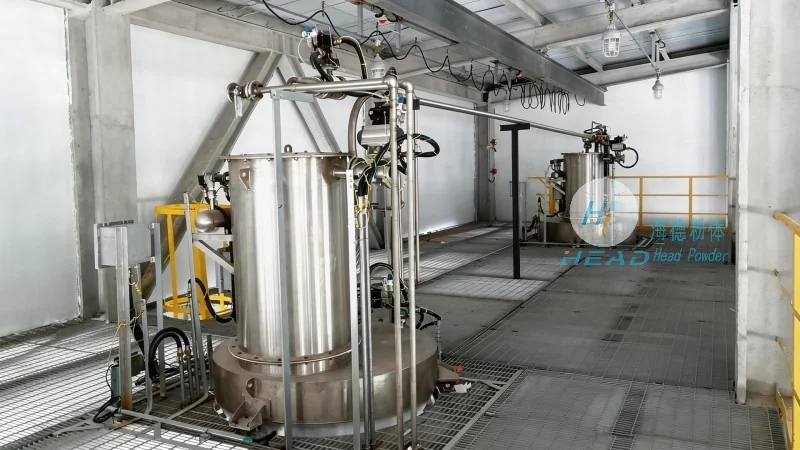
Benefits and Applications of Stainless Steel Powder Bulk Bag Handling Equipment
Stainless steel powder bulk bag handling equipment offers several advantages in industrial settings. Its stainless steel construction ensures high durability and resistance to corrosion, making it suitable for handling sensitive materials like stainless steel powders, which are often used in high-purity applications. The bulk bag design allows for the storage of large quantities of powder, reducing the need for frequent refills and improving operational efficiency. The automated operation minimizes human intervention, reducing the risk of contamination and improving safety. The equipment is also easy to clean and maintain, ensuring long-term performance. Applications of this equipment include metalworking, where stainless steel powders are used in powder metallurgy; pharmaceuticals, where high-purity stainless steel powders are used in drug manufacturing; and chemical processing, where stainless steel powders are used in catalyst production. The equipment's versatility and reliability make it an essential component in modern industrial facilities.