

Operation Process and Working Principle of Soda Ash Powder Handling Equipment
Shandong HeadPowder Engineering Co., Ltd., a leading manufacturer in the field, specializes in the design and production of advanced soda ash powder handling equipment. This equipment is crucial for the efficient and safe transportation of soda ash, a key chemical used in various industries such as glass manufacturing, chemical production, and water treatment. The following sections will delve into the operational process and working principles of these systems, highlighting the technical aspects and practical applications.
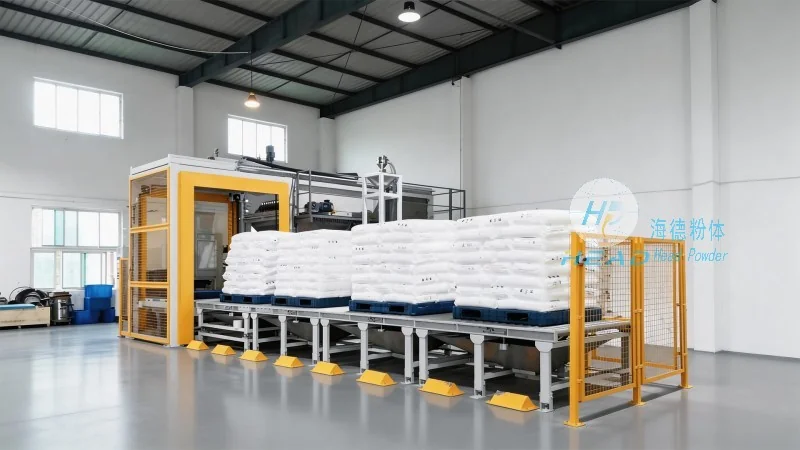
Key Components of the Powder Handling System
The soda ash powder handling equipment typically consists of several integral components that work in tandem to ensure smooth material flow. These include hoppers for material storage, feeders to control the discharge rate, conveying mechanisms like pneumatic or mechanical systems, and dust collection units to maintain environmental safety. Each component is engineered to handle the specific properties of soda ash, which includes its fine particle size and potential for dust generation.
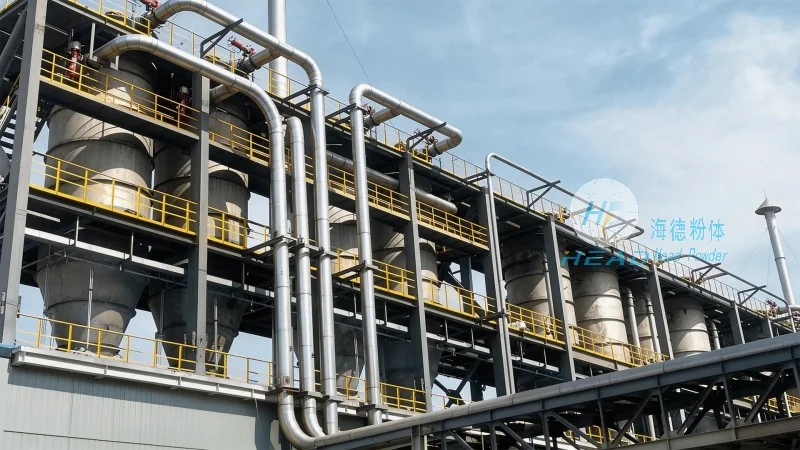
Operational Process: Step-by-Step Explanation
The operation of the soda ash powder handling system begins with the loading of raw soda ash into the hopper. The hopper, often equipped with a level indicator, ensures that the material is stored at an appropriate height for consistent feeding. Once the material is in the hopper, the feeder, which can be a rotary valve or a screw feeder, regulates the flow rate. This controlled discharge is then directed into the conveying system. For pneumatic systems, the powder is carried by a stream of air through pipes, while mechanical systems use belts or chains to transport the material. The conveying process is carefully managed to prevent blockages and ensure uniform distribution. After the material reaches its destination, it is discharged into a storage or processing unit. Throughout this process, dust collection systems are active, capturing any airborne particles to comply with environmental regulations and maintain workplace safety.
Working Principle: How the Equipment Functions
The working principle of the soda ash powder handling equipment is based on the principles of material flow and air or mechanical movement. In pneumatic conveying systems, the core mechanism involves creating a pressure differential between the hopper and the discharge point. By injecting air into the hopper, the powder is lifted and transported through the pipeline. The velocity of the air is critical; it must be sufficient to keep the powder suspended but not so high as to cause excessive wear on the equipment or energy waste. Mechanical conveying systems, on the other hand, rely on the physical movement of components like screws or belts. The screw feeder, for example, rotates to push the powder forward, while the belt conveyor uses friction to move the material along its path. Both systems are designed to handle the abrasive nature of soda ash, with materials like stainless steel or special coatings used for components that come into direct contact with the powder.
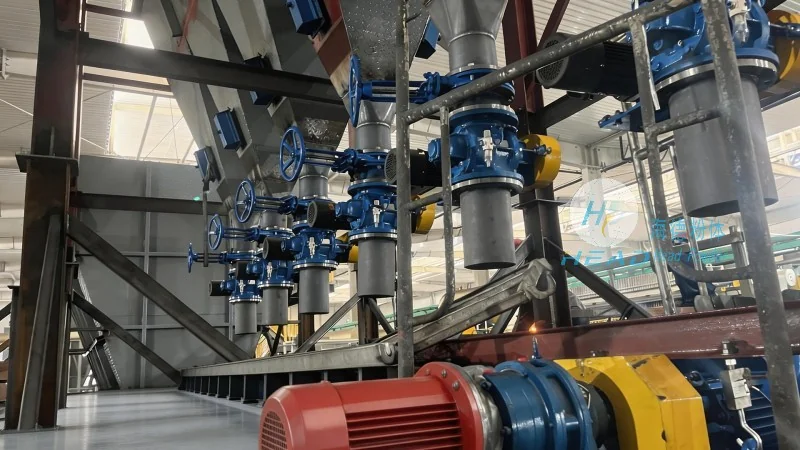
Advantages and Applications
The soda ash powder handling equipment from Shandong HeadPowder Engineering Co., Ltd. offers several advantages, including high efficiency, low maintenance, and compliance with environmental standards. These systems are widely used in the glass industry for feeding soda ash into furnaces, in chemical plants for material transfer between processes, and in water treatment facilities for adding soda ash to adjust pH levels. The equipment's ability to handle fine powders without clogging or degradation makes it essential for industries that require precise and consistent material handling. Additionally, the dust collection systems integrated into the design help maintain a clean and safe working environment, reducing the risk of respiratory issues and other health hazards associated with powder handling.