

Operation Process and Working Principle of Organic Fertilizer Powder Conveying Equipment
Organic fertilizer powder conveying equipment is a critical component in modern agricultural and industrial operations, designed to efficiently transport bulk organic fertilizer materials from storage to application points. This equipment is essential for optimizing the supply chain in organic farming and waste management sectors, ensuring consistent and reliable delivery of nutrient-rich materials. The following content provides a detailed overview of the operation process and working principles of such equipment, highlighting the technical aspects and practical applications.
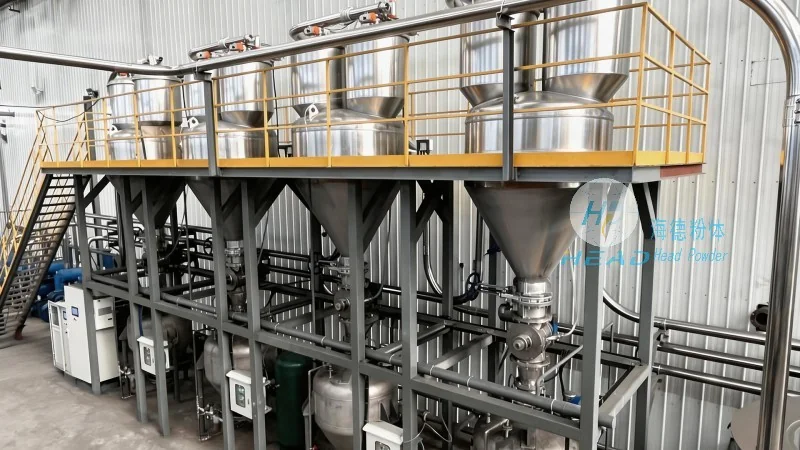
Company Profile: Shandong HeadPowder Engineering Co., Ltd.
HeadPowder, a leading manufacturer in the field of powder handling technology, specializes in the design, development, and production of advanced conveying systems for organic fertilizers. With a strong commitment to innovation and quality, the company has established itself as a trusted partner for businesses seeking efficient and reliable solutions for bulk material transport. HeadPowder's facilities are located in Shandong, China, where the company leverages local expertise and resources to deliver high-performance equipment tailored to the specific needs of the organic fertilizer industry.
Overview of Organic Fertilizer Powder Conveying Equipment
Organic fertilizer powder conveying equipment is engineered to handle the unique challenges associated with transporting fine, dusty, and potentially sticky organic materials. These systems typically include components such as hoppers, feeders, conveyors (e.g., pneumatic or mechanical), and control systems, all working in tandem to ensure smooth and continuous operation. The primary goal is to minimize material loss, prevent clogging, and maintain consistent flow rates, which are crucial for maintaining the quality and effectiveness of the fertilizer.
The Operation Process of Organic Fertilizer Powder Conveying Equipment
The operation process of organic fertilizer powder conveying equipment begins with the loading of raw organic materials into the hopper. The hopper is designed to store a sufficient quantity of material to ensure continuous feeding, even during periods of low production or maintenance. Once the material is loaded, the feeder mechanism (such as a rotary valve or screw feeder) regulates the flow of powder into the conveyor system. This step is critical as it controls the rate at which material is introduced, preventing overloading or underloading of the conveyor.
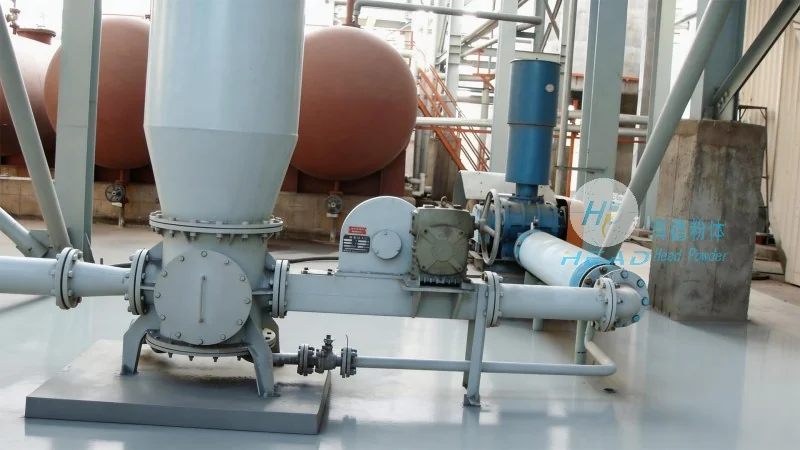
Next, the conveyor system transports the organic fertilizer powder from the hopper to the discharge point. Depending on the system design, this may involve pneumatic conveying (using air pressure to move the powder) or mechanical conveying (using belts, buckets, or screws). Pneumatic systems are particularly effective for fine powders, as they can handle long distances and multiple transfer points without the need for extensive infrastructure. Mechanical conveyors, on the other hand, are ideal for shorter distances and heavier loads, offering high reliability and low maintenance costs.
During the conveying process, the equipment incorporates various control mechanisms to monitor and adjust the flow. Sensors are used to detect the level of material in the hopper and the pressure in the conveyor line, providing real-time feedback to the control system. This allows for automatic adjustments to maintain optimal flow rates, preventing issues such as clogging or air leaks. Additionally, the system may include dust collection and filtration components to ensure environmental compliance and operator safety.
Working Principle of Organic Fertilizer Powder Conveying Equipment
The working principle of organic fertilizer powder conveying equipment revolves around the fundamental concepts of material handling and fluid dynamics. For pneumatic conveying systems, the process involves creating a pressure differential between the hopper and the discharge point. Compressed air is introduced into the hopper, lifting the powder particles and propelling them through the pipeline to the discharge location. The air velocity is carefully controlled to ensure that the powder particles remain suspended in the air stream, preventing deposition and ensuring efficient transport.
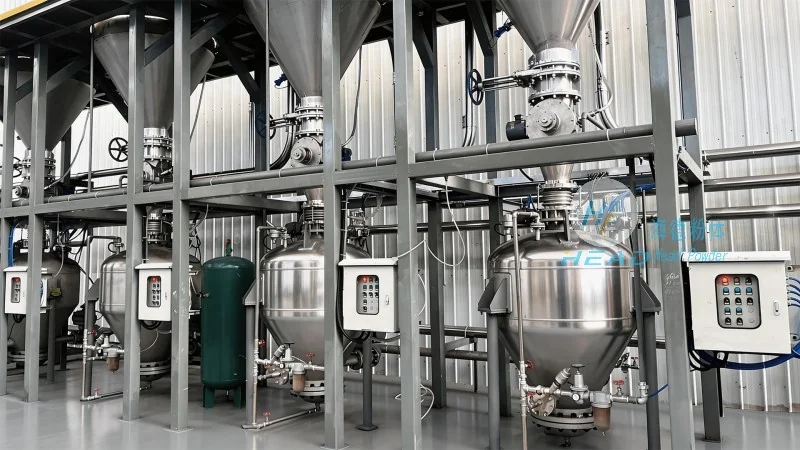
In mechanical conveying systems, the principle is based on mechanical force to move the material. For example, a screw conveyor uses rotating screws to push the powder forward, while a bucket elevator uses buckets attached to a chain or belt to lift and transport the material vertically. These systems rely on the friction between the material and the conveying surface to achieve movement, making them suitable for a wide range of organic fertilizer types and particle sizes.
Both pneumatic and mechanical systems are designed to handle the specific properties of organic fertilizers, such as moisture content, particle size distribution, and bulk density. The equipment is typically constructed from materials that are resistant to corrosion and wear, such as stainless steel or special alloys, to ensure long-term durability and performance. Additionally, the control systems are equipped with safety features to prevent accidents and protect operators from dust exposure and other hazards.
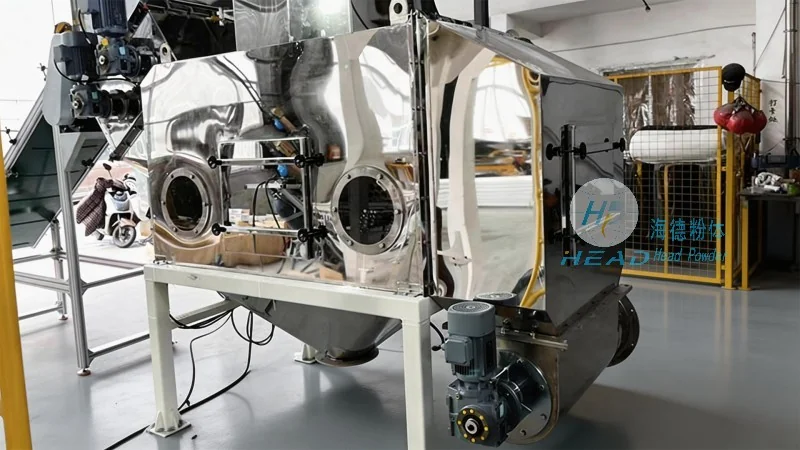
Key Features and Benefits of Organic Fertilizer Powder Conveying Equipment
Organic fertilizer powder conveying equipment from HeadPowder is equipped with several key features that enhance its performance and reliability. These include adjustable flow control mechanisms, which allow operators to fine-tune the conveying rate based on specific application requirements. The equipment also features robust hopper designs with anti-caking and anti-static properties, reducing the risk of material bridging and ensuring consistent feeding. Additionally, the systems are designed with easy access points for maintenance and cleaning, minimizing downtime and operational costs.
The benefits of using advanced organic fertilizer powder conveying equipment include improved efficiency in material handling, reduced labor costs, and enhanced product quality. By ensuring consistent flow rates and preventing material loss, these systems contribute to higher yields and better crop performance. Furthermore, the equipment's environmental features, such as dust collection and filtration, help to minimize the impact on the surrounding environment and comply with regulatory standards.
Conclusion
Organic fertilizer powder conveying equipment plays a vital role in the efficient and sustainable management of organic fertilizers. Through its advanced design and reliable operation, this equipment enables businesses to streamline their material handling processes, reduce operational costs, and maintain the quality of their products. HeadPowder, with its expertise in powder handling technology, continues to provide innovative solutions that meet the evolving needs of the organic fertilizer industry, supporting sustainable agricultural practices and environmental stewardship.