

Operation Process and Working Principle of Silage Powder Conveying Equipment
HeadPowder, a leading manufacturer based in Shandong, China, specializes in the design and production of advanced silage powder conveying equipment. This equipment is crucial for efficient handling and transportation of silage materials in agricultural and feed processing applications. The following sections detail the operation process and working principles of such equipment, highlighting the key components and their functions.
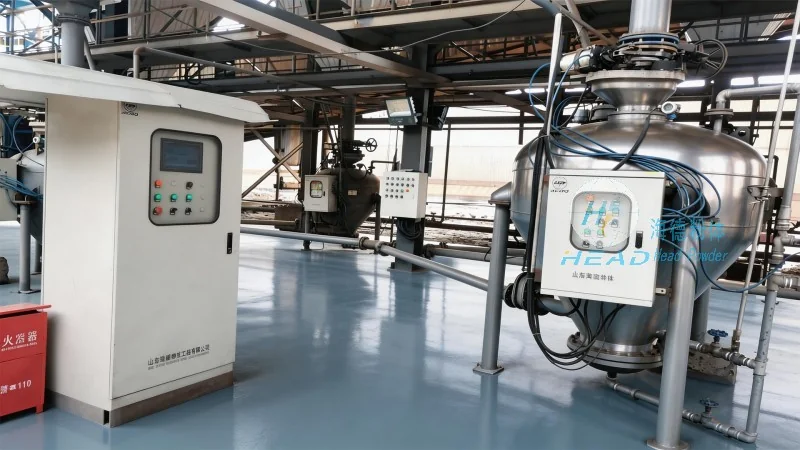
Overview of Silage Powder Conveying Equipment
Silage powder conveying equipment is engineered to handle the transportation of silage, a fermented forage material commonly used in livestock feed. The equipment is designed to ensure efficient, hygienic, and reliable movement of the powder from storage or processing areas to feeding points. HeadPowder's solutions are tailored to meet the specific demands of modern agricultural operations, offering durability and performance under various operational conditions.
Key Components and Their Roles
The silage powder conveying system typically consists of several integrated components, each playing a critical role in the overall operation. These include:
1. Feeding Hopper: This component is responsible for receiving the silage powder from a storage silo or processing unit. The hopper is designed with a wide inlet to accommodate bulk material and often features a sloped bottom to facilitate smooth flow into the conveyor system.
2. Conveying Mechanism: Depending on the specific design, the conveying mechanism may utilize either pneumatic (air-assisted) or mechanical (e.g., screw, belt) methods. HeadPowder's equipment often incorporates a combination of these technologies to optimize performance and adaptability.
3. Drive System: The drive system provides the necessary power to move the silage powder through the conveying pipeline. It may include electric motors, gearboxes, and control panels that regulate speed and pressure, ensuring consistent and controlled material transport.
4. Control Panel: An integrated control panel allows operators to monitor and adjust the conveying process. This includes features such as flow rate control, pressure monitoring, and safety interlocks to prevent overloading or system failures.
Operation Process: Step-by-Step
The operation of silage powder conveying equipment follows a systematic process, ensuring efficient material handling from start to finish. The steps are as follows:
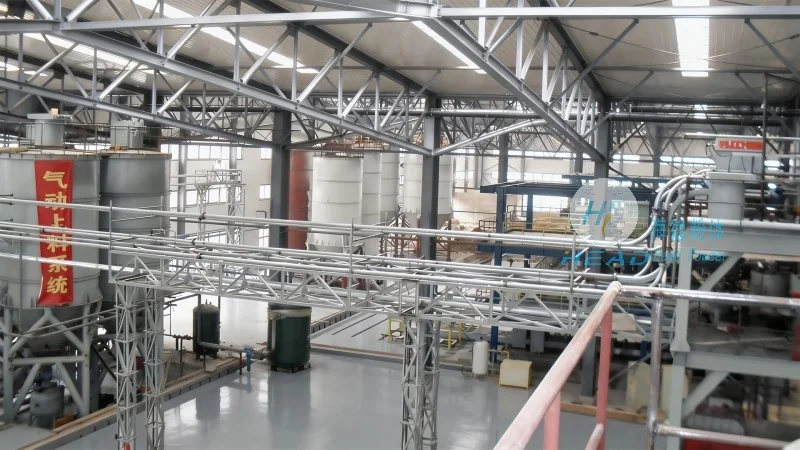
1. Material Loading: Silage powder is loaded into the feeding hopper from the storage silo. The hopper's design ensures that the material is evenly distributed and free from blockages.
2. Initial Conveying: The material is then drawn into the conveying mechanism. In pneumatic systems, compressed air is introduced to create a flow, while mechanical systems use rotating screws or belts to move the powder.
3. Pipeline Transport: The conveyed material travels through a network of pipelines, which may include bends, elbows, and vertical sections. The design of these pipelines is optimized to minimize pressure loss and maintain consistent flow rates.
4. Discharge and Dosing: At the destination point, the silage powder is discharged into a storage bin or directly to the feed mixer. The control panel allows precise dosing, ensuring accurate feed quantities for livestock.
Working Principle: Mechanical and Pneumatic Systems
The working principle of silage powder conveying equipment is based on the physics of material movement and the specific design of the conveying mechanism. Two common approaches are mechanical and pneumatic systems:
1. Mechanical Conveying: This method uses rotating components, such as screws or belts, to push the silage powder forward. The screw conveyor, for example, features a helical screw inside a tube, which rotates to move the material. This system is ideal for handling dry, free-flowing powders and offers high efficiency with minimal air consumption.
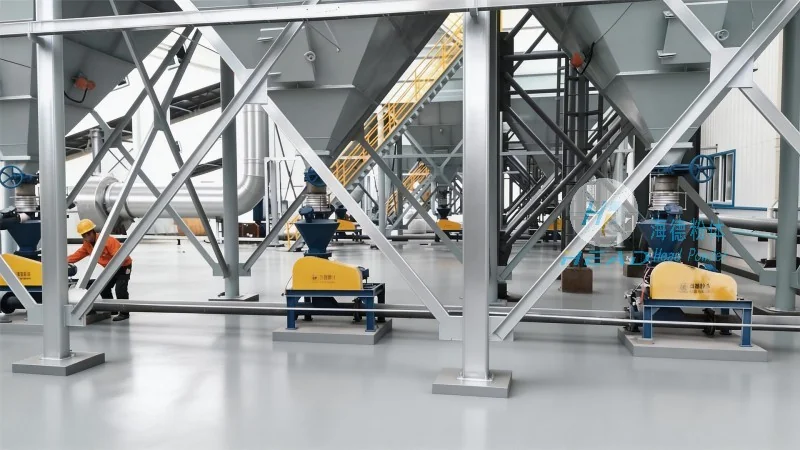
2. Pneumatic Conveying: In this system, compressed air is used to create a flow of air and material through the pipeline. The silage powder is suspended in the air stream and transported to the discharge point. This method is particularly effective for handling fine powders and can cover longer distances with fewer components.
Advantages of HeadPowder's Silage Powder Conveying Equipment
HeadPowder's silage powder conveying equipment offers several advantages that make it a preferred choice for agricultural operations. These include:
1. High Efficiency: The equipment is designed to minimize material loss and maximize throughput, ensuring that the entire silage batch is transported efficiently.
2. Reliability: Robust construction and quality components ensure long-term operation with minimal downtime, reducing maintenance costs.
3. Adaptability: The systems can be customized to accommodate different silage types and operational requirements, providing flexibility for various farm sizes and feed processing needs.
4. Hygienic Design: The equipment is constructed with materials that resist corrosion and contamination, maintaining the quality and safety of the silage during transport.
Conclusion
HeadPowder, based in Shandong, China, provides advanced silage powder conveying equipment that combines efficient operation with reliable performance. By understanding the operation process and working principles of these systems, agricultural operations can optimize their feed handling processes, improve productivity, and ensure the quality of livestock feed. The company's commitment to innovation and quality makes it a trusted partner for businesses seeking to enhance their silage management solutions.