

Operation Process and Working Principle of Activated Carbon Powder Conveying Equipment
Activated carbon powder conveying equipment is a specialized system designed to handle the transportation of activated carbon powder, a critical material in various industrial applications such as water treatment, air purification, and chemical processing. The equipment ensures efficient and safe movement of this fine powder from storage to processing units, maintaining product integrity and operational efficiency. This article provides an overview of the operation process and working principles of such equipment, highlighting key components and their functions.
Key Components of the Conveying System
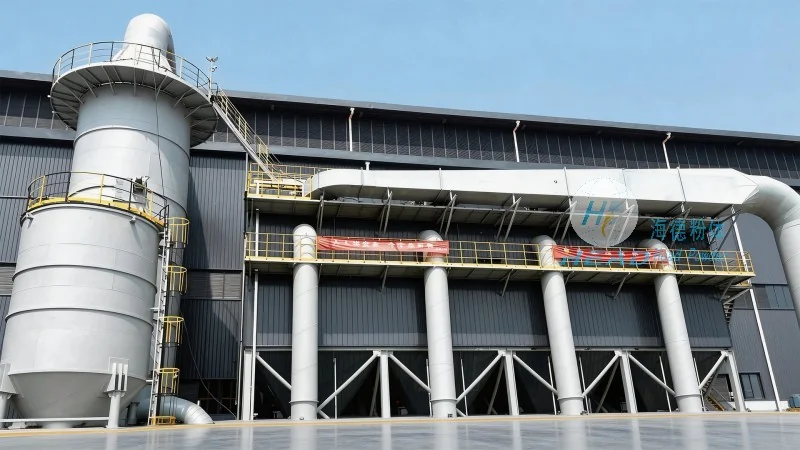
The activated carbon powder conveying system typically consists of several essential components that work in tandem to achieve smooth material handling. These include a hopper for material storage, a feeder to control the flow rate, a conveyor mechanism (such as a screw conveyor or pneumatic conveyor), and a control system to regulate operation. Each component plays a vital role in ensuring the system operates reliably and efficiently. The hopper is designed to hold a sufficient quantity of activated carbon powder, preventing material buildup and ensuring a consistent feed to the feeder. The feeder, often a rotary valve or a vibratory feeder, regulates the discharge rate, preventing overloading or underloading of the conveyor. The conveyor mechanism, whether mechanical or pneumatic, transports the powder to the next processing stage, while the control system monitors and adjusts parameters like flow rate and pressure to maintain optimal performance.
Operation Process of the Conveying Equipment
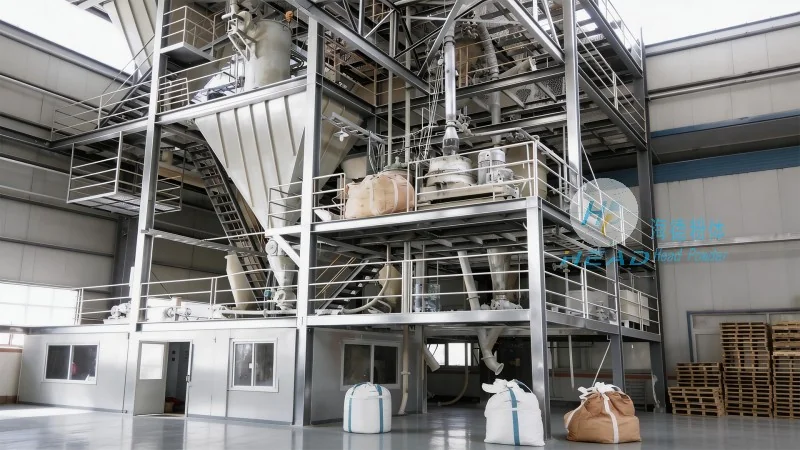
The operation process of activated carbon powder conveying equipment involves several sequential steps that ensure the smooth and controlled movement of the material. First, the activated carbon powder is loaded into the hopper from a storage silo or bag. The hopper then feeds the powder to the feeder, which regulates the flow rate based on the system's requirements. The feeder transfers the controlled amount of powder to the conveyor mechanism, which then transports it to the processing unit or storage location. The control system continuously monitors the system's performance, adjusting parameters as needed to maintain consistent flow and prevent issues like blockages or overfilling. This process ensures that the activated carbon powder is handled safely and efficiently, minimizing the risk of dust generation and material loss.
Working Principle of the Conveying System
The working principle of activated carbon powder conveying equipment is based on the principles of material flow and mechanical or pneumatic transport. For mechanical conveyors, such as screw conveyors, the principle involves using a rotating screw to push the powder forward through a tube or trough. The screw's rotation creates a positive pressure that moves the material, ensuring consistent flow. The speed of the screw and the angle of the conveyor are critical factors that determine the flow rate and the pressure within the system. For pneumatic conveyors, the principle relies on air pressure to transport the powder. The system uses a blower to generate airflow, which carries the powder particles through a pipeline. The air velocity and the pipeline design are crucial in maintaining the flow and preventing particle separation or blockages. Both mechanical and pneumatic systems are designed to handle the fine and abrasive nature of activated carbon powder, ensuring minimal wear and tear on components.
Benefits and Applications of the Conveying Equipment
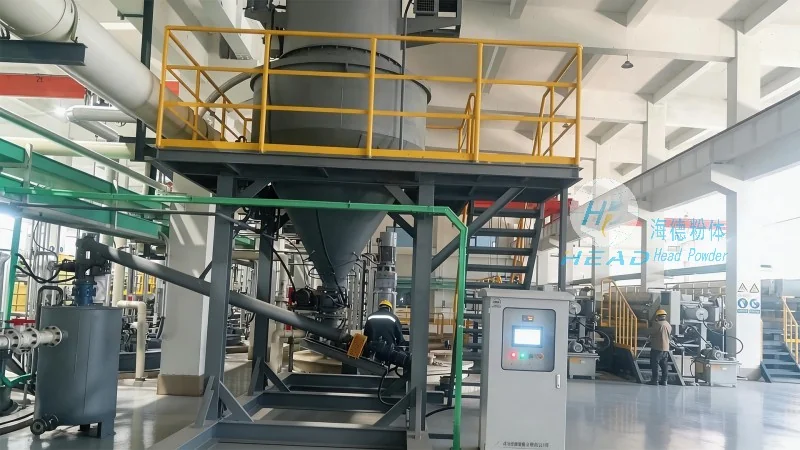
Activated carbon powder conveying equipment offers several benefits in industrial settings, including improved efficiency, reduced labor costs, and enhanced safety. The system automates the material handling process, reducing the need for manual handling of fine powders, which can be hazardous due to dust inhalation risks. By automating the process, the equipment also minimizes material loss and ensures consistent product quality. The equipment is widely used in industries such as water treatment, where activated carbon is used for filtration and adsorption, and in chemical processing, where it is used as a catalyst or adsorbent. The reliable operation of the conveying system ensures that the activated carbon powder is delivered to the processing units in the right quantity and at the right time, supporting the overall efficiency of the production process.