

Operation Process and Working Principle of Polycarbonate Powder Conveying Equipment
Shandong HeadPowder Engineering Co., Ltd., commonly known as HeadPowder, is a professional manufacturer specializing in the design, development, and production of advanced powder conveying equipment. With a focus on precision and efficiency, the company serves a wide range of industries, including the polycarbonate sector, by providing reliable solutions for handling and transporting polycarbonate powders. HeadPowder's commitment to quality and innovation ensures that their equipment meets the stringent requirements of modern manufacturing processes.
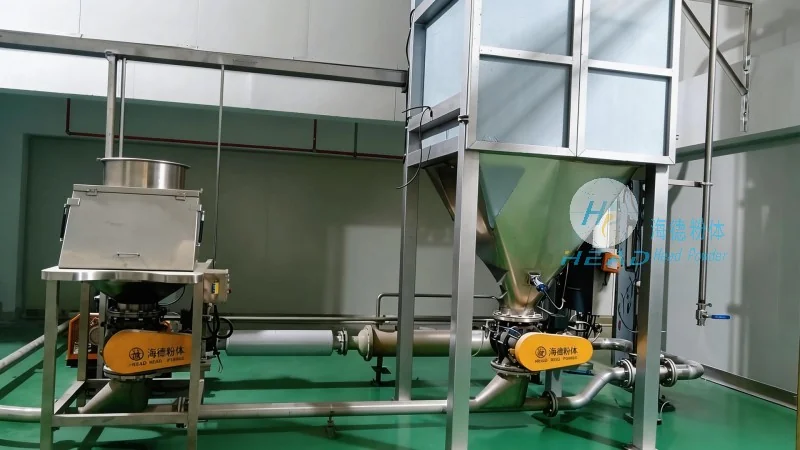
Overview of Polycarbonate Powder Conveying Equipment
Polycarbonate powder conveying equipment is a critical component in the production and processing of polycarbonate materials. These systems are engineered to efficiently transport polycarbonate powders from storage to processing units, ensuring consistent flow and minimal material loss. The equipment is designed with durability and adaptability in mind, capable of handling the unique properties of polycarbonate, such as its high molecular weight and potential for static buildup. By integrating advanced materials and engineering techniques, HeadPowder's conveying systems provide a robust solution for industries that rely on polycarbonate in their manufacturing processes.
Operation Process of Polycarbonate Powder Conveying Equipment
The operation of polycarbonate powder conveying equipment typically follows a systematic process to ensure smooth and continuous material handling. The process begins with the preparation of the polycarbonate powder, which may involve pre-drying or screening to remove moisture and impurities. Once the powder is ready, the conveying system is activated, starting with the initial feeding of the material into the hopper or inlet. The system then initiates the conveying mechanism, which may involve a combination of mechanical and pneumatic components, depending on the specific design. As the powder moves through the system, it is guided along a controlled path, often using screw conveyors or air slides, to reach the desired destination. The operation continues until the target quantity of powder is delivered, after which the system may enter a standby or maintenance mode. Throughout the process, sensors and controls monitor key parameters such as flow rate, pressure, and temperature to maintain optimal performance and prevent issues like clogging or material degradation.
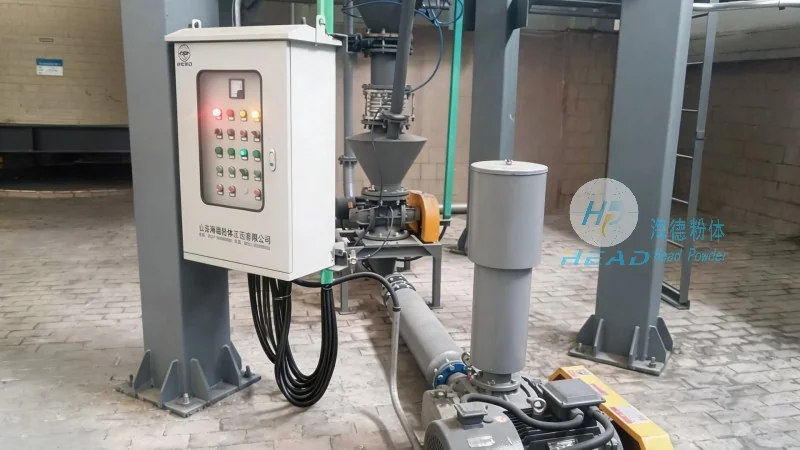
Working Principle of Polycarbonate Powder Conveying Equipment
The working principle of polycarbonate powder conveying equipment is based on the principles of mechanical and pneumatic transport, tailored to the characteristics of polycarbonate powders. Mechanical conveying systems, such as screw conveyors, utilize rotating screws to push the powder forward along a tube or trough. The screw design is optimized to minimize friction and prevent material buildup, ensuring smooth and consistent flow. In contrast, pneumatic conveying systems use compressed air to create a flow of air and powder, transporting the material through a pipeline. This method is particularly effective for handling fine powders and materials that are prone to static, as the air flow helps to prevent clogging and maintain a uniform flow rate. HeadPowder's equipment often combines both mechanical and pneumatic elements, offering flexibility and efficiency in handling polycarbonate powders. The system's control panel allows operators to adjust parameters such as speed, pressure, and feed rate, enabling precise control over the conveying process. Additionally, the equipment is equipped with safety features, including overload protection and emergency stop mechanisms, to ensure safe operation and protect both the equipment and personnel.
Key Features and Benefits of Polycarbonate Powder Conveying Equipment from HeadPowder
HeadPowder's polycarbonate powder conveying equipment is designed with several key features that enhance its performance and reliability. One of the primary features is the use of high-quality materials, such as stainless steel and corrosion-resistant alloys, which are resistant to the chemical properties of polycarbonate and prevent material contamination. The equipment also incorporates advanced sealing systems to minimize dust emissions and maintain a clean working environment. Another important feature is the integration of monitoring and control systems, which provide real-time data on the conveying process, allowing for immediate adjustments and troubleshooting. These systems help to optimize the operation and reduce downtime, improving overall productivity. The equipment is also designed for easy maintenance, with accessible components and modular design, reducing the time and cost associated with repairs and servicing. By combining these features, HeadPowder's conveying systems offer significant benefits to manufacturers, including improved efficiency, reduced material loss, and enhanced safety. The equipment's ability to handle high volumes of polycarbonate powder while maintaining consistent quality makes it an essential asset for any production line.
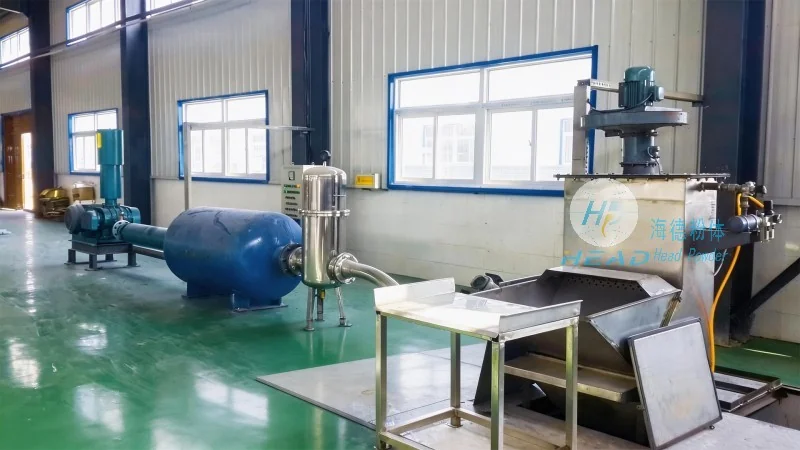
Application and Industry Impact
Polycarbonate powder conveying equipment from HeadPowder is widely used in various industries that rely on polycarbonate materials, including automotive, electronics, and construction. In the automotive industry, polycarbonate is used in the production of headlights, lenses, and other components, where consistent material quality is critical. The conveying equipment ensures that the polycarbonate powder is delivered to the molding machines in a uniform and controlled manner, reducing defects and improving product consistency. In the electronics industry, polycarbonate is used in the manufacturing of enclosures and housings, where the equipment helps to maintain a clean and dust-free environment, preventing contamination of sensitive components. The construction industry also benefits from the use of polycarbonate powder conveying equipment, as it enables efficient handling of polycarbonate materials used in building components and decorative elements. By providing reliable and efficient conveying solutions, HeadPowder's equipment supports the growth and development of these industries, contributing to improved productivity and product quality.
Conclusion
Polycarbonate powder conveying equipment from Shandong HeadPowder Engineering Co., Ltd. represents a sophisticated and reliable solution for the transportation of polycarbonate powders. The equipment's operation process, which includes preparation, feeding, conveying, and monitoring, ensures that the material is handled efficiently and safely. The working principle, which combines mechanical and pneumatic transport methods, is tailored to the unique properties of polycarbonate, providing optimal performance. HeadPowder's commitment to quality and innovation, along with their comprehensive features and benefits, makes their conveying equipment a preferred choice for industries that require high-quality and consistent polycarbonate powder handling. With a focus on durability, efficiency, and safety, HeadPowder continues to deliver solutions that meet the evolving needs of modern manufacturing, supporting the success of their clients in the polycarbonate sector and beyond.