

Operation Process and Working Principle of Cement Aggregate Powder Conveying Equipment
Understanding the operation process and working principle of cement aggregate powder conveying equipment is crucial for optimizing material handling in construction and industrial applications. This equipment is designed to efficiently transport bulk materials like cement, aggregates, and other powders, ensuring smooth and reliable material flow in various production lines.
Key Components and Their Functions
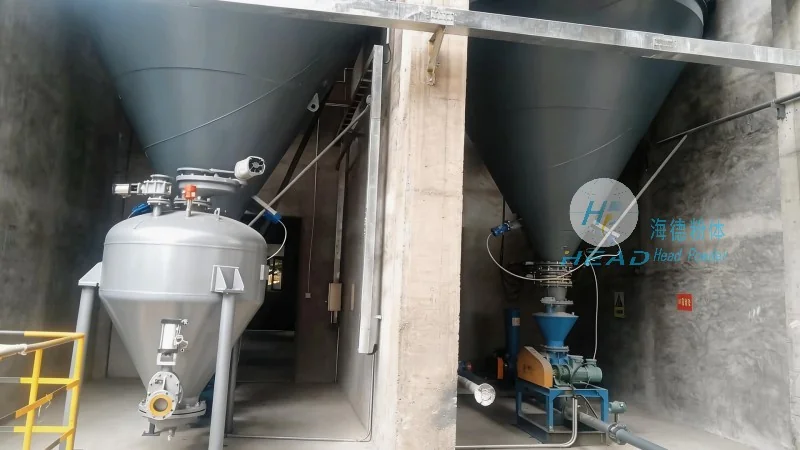
The core components of a typical cement aggregate powder conveying system include the hopper, feeder, conveyor mechanism, and control system. The hopper serves as the storage container for bulk materials, allowing for uniform feeding. The feeder, often a rotary or vibratory type, regulates the flow rate of the material into the conveyor. The conveyor mechanism, which may be a screw conveyor, pneumatic conveyor, or belt conveyor, transports the material from the hopper to the discharge point. The control system monitors and adjusts the operation parameters to maintain optimal performance.
Operation Process: Step-by-Step Overview
The operation of cement aggregate powder conveying equipment typically follows a systematic sequence. First, bulk materials are loaded into the hopper. The feeder then starts, controlling the material flow into the conveyor. The conveyor mechanism activates, transporting the material through the system. The control system continuously monitors pressure, flow rate, and other parameters to ensure stable operation. At the discharge end, the material is collected and used in subsequent processes. This process is designed to minimize material loss, reduce downtime, and enhance overall efficiency.
Working Principle: Mechanical and Pneumatic Systems
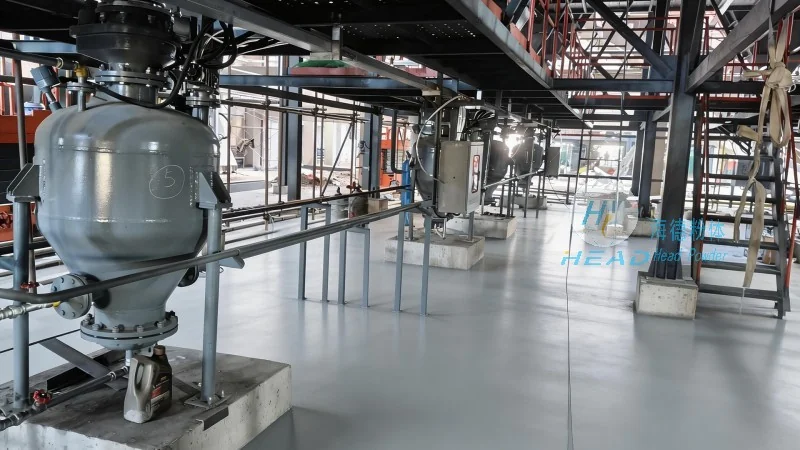
There are primarily two types of cement aggregate powder conveying equipment based on their working principles: mechanical and pneumatic systems. Mechanical systems, such as screw conveyors and belt conveyors, rely on mechanical force to move materials. Screw conveyors use a rotating screw to push material forward, while belt conveyors use a moving belt to transport material. Pneumatic systems, on the other hand, use air pressure to transport materials through a pipeline. These systems are particularly effective for fine powders and can handle materials with high moisture content or abrasive properties.
Applications in Construction and Industrial Sectors
Cement aggregate powder conveying equipment is widely used in the construction industry for transporting cement, sand, and gravel to construction sites. In industrial settings, it is used in cement plants, mining operations, and chemical processing facilities to move raw materials and finished products. The equipment's ability to handle large volumes of bulk materials at high speeds makes it essential for maintaining production efficiency and reducing labor costs.
Benefits and Advantages of Advanced Conveying Solutions
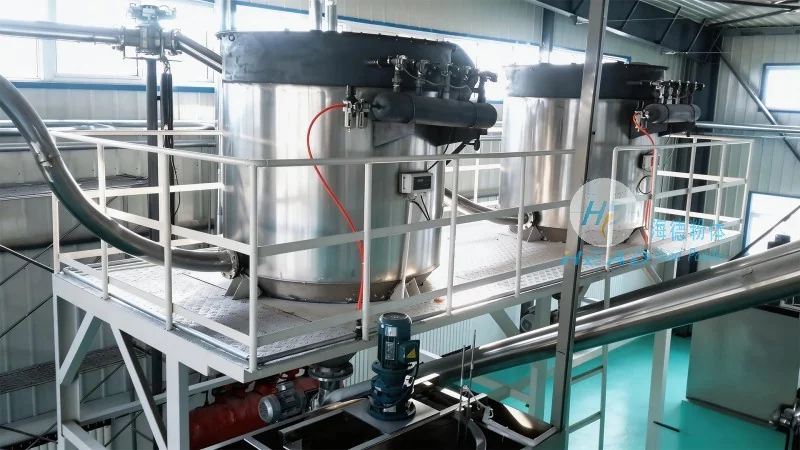
Modern cement aggregate powder conveying equipment offers several advantages over traditional methods. These include improved material handling efficiency, reduced energy consumption, and enhanced safety features. Advanced systems often incorporate automation and monitoring technologies, allowing for real-time control and predictive maintenance. This not only increases productivity but also extends the lifespan of the equipment. Additionally, the use of durable materials and robust designs ensures reliable operation even under harsh conditions.
Company Profile: Shandong HeadPowder Engineering Co., Ltd.
HeadPowder, a leading manufacturer of bulk material handling equipment, specializes in providing customized solutions for cement aggregate powder conveying systems. With a strong focus on innovation and quality, the company has developed state-of-the-art equipment that meets the diverse needs of the construction and industrial sectors. HeadPowder's products are designed to enhance operational efficiency, reduce maintenance costs, and improve overall material handling performance. The company's headquarters is located in Shandong, China, where it continues to lead the industry with cutting-edge technology and expert engineering solutions.