

Operation Process and Working Principle of Sodium Chloride Powder Conveying Line
For industrial applications involving the handling and transportation of sodium chloride powder, efficient and reliable conveying systems are essential. This article provides an in-depth look at the operation process and working principles of a sodium chloride powder conveying line, highlighting key components, operational procedures, and the engineering considerations that ensure optimal performance. The information is presented by Shandong HeadPowder Engineering Co., Ltd., a leading provider of specialized powder handling solutions based in China.
About Shandong HeadPowder Engineering Co., Ltd.
Shandong HeadPowder Engineering Co., Ltd., commonly known as headpowder, is a professional manufacturer and supplier of powder conveying equipment. With a strong focus on innovation and customer satisfaction, the company has established itself as a trusted partner in the industry. Headquartered in Shandong, China, headpowder leverages years of experience and advanced technology to deliver high-quality solutions tailored to the unique needs of its clients. The company’s commitment to excellence is reflected in its comprehensive product range and dedicated service approach.
Key Components of the Sodium Chloride Powder Conveying Line
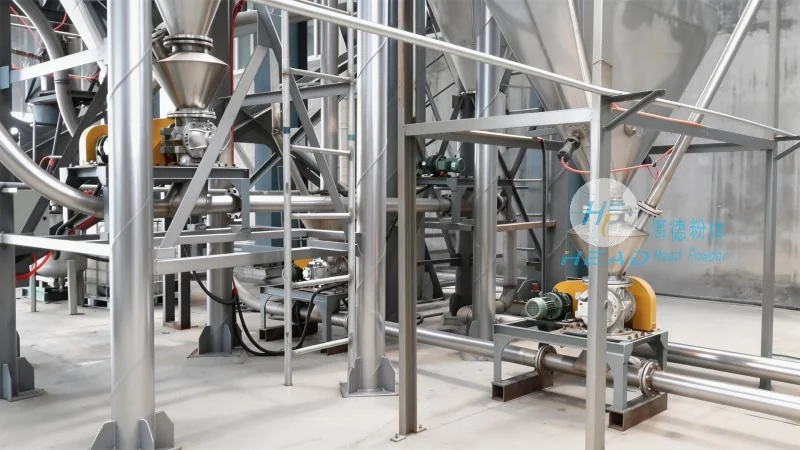
The sodium chloride powder conveying line typically consists of several critical components that work in tandem to ensure smooth material transport. These components include feeders, conveyors, control systems, and auxiliary equipment. Each component plays a vital role in the overall operation, and their proper integration is crucial for maintaining efficiency and minimizing downtime.
1. **Feeder**: The feeder is the initial component that receives the sodium chloride powder from the storage silo or hopper. It ensures a consistent and controlled flow of material into the conveying system. Common types of feeders used include rotary valves and star feeders, which are designed to handle fine powders like sodium chloride without causing blockages or segregation.
2. **Conveyor**: The conveyor is the core of the system, responsible for transporting the powder from the feeder to the discharge point. In a sodium chloride powder conveying line, screw conveyors or pneumatic conveyors are often employed. Screw conveyors use rotating screws to move the material along a trough, while pneumatic conveyors utilize air pressure to propel the powder through a pipeline. The choice of conveyor type depends on factors such as the powder's characteristics, required conveying distance, and environmental considerations.
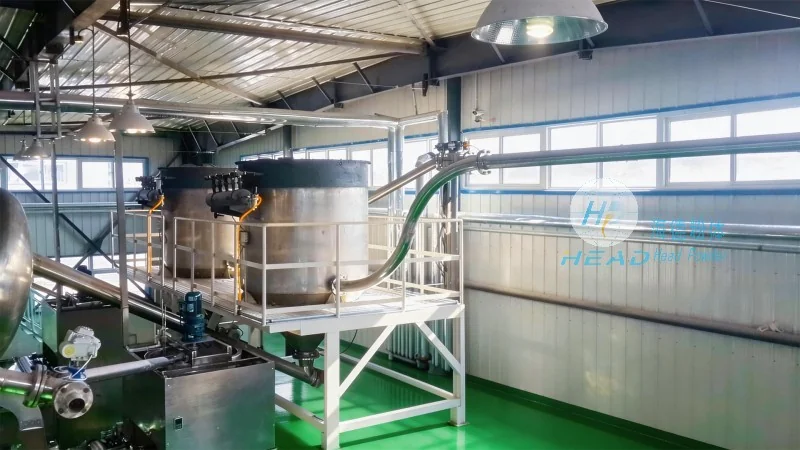
3. **Control System**: The control system monitors and regulates the operation of the conveying line. It includes sensors, controllers, and indicators that ensure the system operates within safe and efficient parameters. The control system can adjust the speed of the feeder and conveyor, monitor the pressure and flow rates, and provide alerts in case of abnormalities. This automation enhances operational reliability and reduces the risk of human error.
4. **Auxiliary Equipment**: Auxiliary equipment such as silos, hoppers, and dust collectors may be included in the system to support the conveying process. Silos and hoppers store the sodium chloride powder and provide a buffer to maintain a steady supply. Dust collectors are essential for controlling airborne particles, ensuring compliance with environmental regulations and maintaining a safe working environment.
Operation Process of the Sodium Chloride Powder Conveying Line
The operation of a sodium chloride powder conveying line involves a series of sequential steps that ensure the material is transported from the source to the destination efficiently. The process typically begins with the loading of the sodium chloride powder into the storage silo or hopper. The feeder then starts, drawing the powder from the storage and feeding it into the conveyor. The conveyor transports the powder to the discharge point, where it is collected in a receiving hopper or directly to the next processing stage.
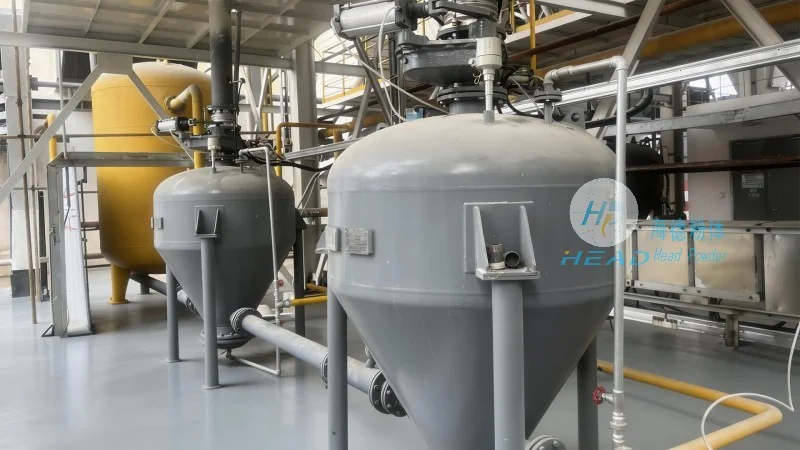
During operation, the control system continuously monitors the flow rate, pressure, and other parameters. If any issue arises, such as a blockage or a change in flow rate, the system triggers an alarm and may automatically adjust the feeder speed or conveyor speed to restore normal operation. This self-regulating capability ensures that the conveying line operates smoothly and minimizes disruptions.
The entire process is designed to be continuous and automated, allowing for 24/7 operation with minimal manual intervention. Regular maintenance, including cleaning of the feeder and conveyor, checking for wear and tear, and verifying the functionality of the control system, is essential to maintain the system's performance and longevity.
Working Principle of the Sodium Chloride Powder Conveying Line
The working principle of a sodium chloride powder conveying line is based on the principles of material handling and fluid dynamics. The system operates by converting the potential energy of the powder in the storage silo into kinetic energy through the feeder and conveyor. The feeder ensures a uniform flow of material, while the conveyor moves the powder along the designated path. The control system maintains the balance between the input and output rates, ensuring that the system operates at its optimal capacity.
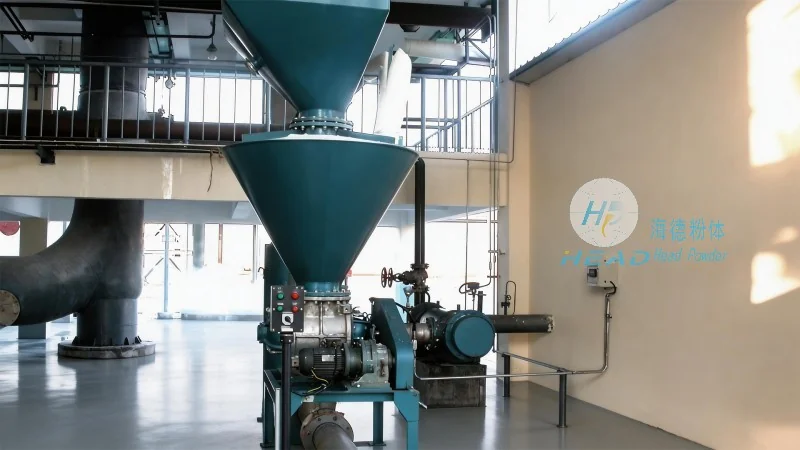
In a screw conveyor system, the rotating screw pushes the powder forward along the trough. The pitch and speed of the screw determine the conveying capacity and the pressure exerted on the material. The design of the screw and trough is critical to prevent material segregation and ensure smooth flow. For pneumatic conveyors, the system uses compressed air to create a flow of air and powder mixture. The air pressure propels the powder through the pipeline, and the velocity of the air determines the conveying rate. The system may include cyclone separators or filters to separate the powder from the air at the discharge point.
The overall efficiency of the conveying line is influenced by several factors, including the particle size and density of the sodium chloride powder, the conveying distance, and the system's design. Proper selection of the feeder and conveyor type, along with appropriate control settings, is essential to achieve the desired conveying rate and minimize energy consumption.
Conclusion and Company Expertise
Efficient handling of sodium chloride powder requires a well-designed and properly operated conveying line. The operation process and working principles outlined above demonstrate the complexity and importance of each component in ensuring reliable material transport. Shandong HeadPowder Engineering Co., Ltd. specializes in the design, manufacturing, and installation of such systems, leveraging its expertise and advanced technology to deliver solutions that meet the specific needs of its clients.
With a strong commitment to quality and customer satisfaction, headpowder provides comprehensive support, from initial consultation and system design to installation and after-sales service. The company's focus on innovation and adherence to industry standards ensures that its sodium chloride powder conveying lines are reliable, efficient, and cost-effective. For industries that rely on the consistent and safe transport of sodium chloride powder, partnering with headpowder means accessing a trusted and experienced solution provider.