

Operation Process and Working Principle of Sodium Hypochlorite Powder Conveying Line
Understanding the operation process and working principle of a sodium hypochlorite powder conveying line is crucial for ensuring efficient and safe handling of this chemical in industrial applications. This equipment is designed to transport sodium hypochlorite powder, a widely used disinfectant and bleaching agent, from storage to processing or application points. The following sections detail the operational steps and underlying mechanisms that enable the smooth and reliable functioning of such a system.
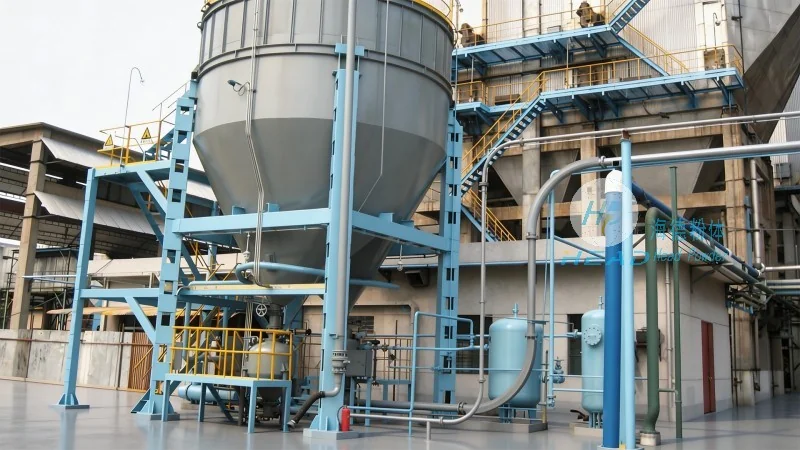
Overview of the Sodium Hypochlorite Powder Conveying Line
The sodium hypochlorite powder conveying line typically consists of several key components, including a hopper for material storage, a feeder to control the flow rate, a conveyor system (such as a screw conveyor or pneumatic conveyor), and a dust collection system. Each component plays a vital role in the overall process, ensuring that the powder is transported without degradation or loss. The system is engineered to handle the specific properties of sodium hypochlorite powder, which can be hygroscopic and prone to caking under certain conditions.
Step-by-Step Operation Process
The operation of the sodium hypochlorite powder conveying line begins with the loading of the powder into the hopper. The hopper is usually equipped with a lid and a level indicator to monitor the material inventory. Once the hopper is filled, the feeder, often a rotary valve or a variable-speed screw feeder, starts to regulate the flow of powder into the conveyor. The feeder's speed is adjusted based on the required output rate, which can be controlled manually or via an automated system. The conveyor then transports the powder through a series of pipes or a screw mechanism to the destination point, such as a reaction tank or a storage silo. Throughout the process, the system may include a dust suppression system to minimize airborne particles and maintain a safe working environment. The entire operation is monitored by sensors and control panels that provide real-time data on flow rates, pressure, and temperature, allowing for immediate adjustments if any anomalies are detected.
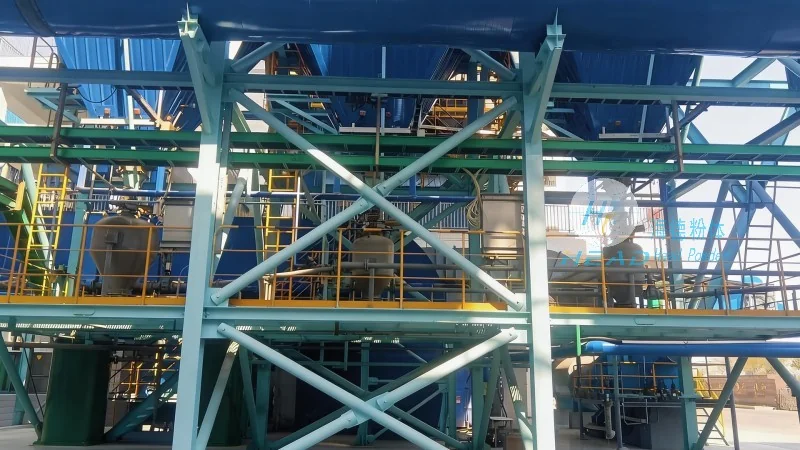
Working Principle of the Conveying System
The working principle of the sodium hypochlorite powder conveying line relies on the principles of mechanical and pneumatic transport. In a mechanical conveyor system, such as a screw conveyor, the powder is moved by the rotation of a screw within a trough. The screw's pitch and speed determine the conveying capacity and the pressure exerted on the material. This method is suitable for handling bulk quantities of powder and is relatively low-cost compared to pneumatic systems. Pneumatic conveying, on the other hand, uses compressed air to transport the powder through a pipeline. The air flow creates a negative pressure that draws the powder into the pipe and moves it to the destination. This method is particularly effective for handling fine powders and can be more flexible in terms of layout, as it does not require a fixed trough. However, it may require higher energy input and careful maintenance to prevent clogging.
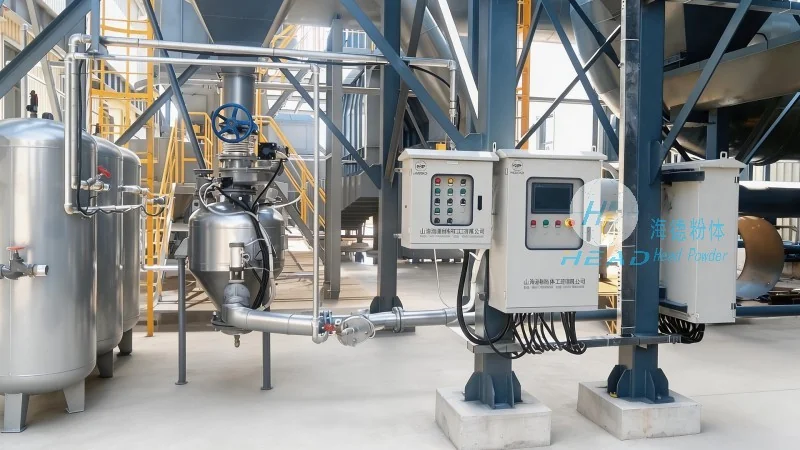
Key Considerations for Safe and Efficient Operation
When operating a sodium hypochlorite powder conveying line, several factors must be considered to ensure safety and efficiency. First, the material's hygroscopic nature means that the system should be designed to minimize exposure to moisture, as this can lead to caking and reduced flowability. Proper sealing and drying of the hopper and conveyor components are essential. Second, the chemical's corrosive properties require the use of materials that are resistant to sodium hypochlorite, such as stainless steel or special plastics. Regular maintenance and inspection of the equipment are necessary to prevent corrosion and ensure long-term performance. Third, dust control is critical due to the powder's potential to cause respiratory issues and fire hazards. The system should include efficient dust collection and filtration systems to maintain a safe environment. Finally, the control system should be equipped with safety features, such as emergency stop buttons and overload protection, to prevent accidents and equipment damage.
About Shandong HeadPowder Engineering Co., Ltd.
Shandong HeadPowder Engineering Co., Ltd., commonly known as headpowder, is a leading manufacturer and supplier of industrial conveying equipment, including sodium hypochlorite powder conveying lines. The company is headquartered in Shandong, China, and specializes in designing and manufacturing customized solutions for various chemical and industrial applications. With years of experience in the field, headpowder has developed a reputation for producing high-quality, reliable equipment that meets the specific needs of its clients. The company's products are engineered to ensure safe and efficient handling of hazardous materials, such as sodium hypochlorite, and are compliant with industry standards and regulations. Headpowder's commitment to quality and customer satisfaction has made it a trusted partner for many businesses in the chemical and processing industries.