

Operation Process and Working Principle of Corn Stalk Powder Conveying Line
For agricultural processing facilities, efficient handling of corn stalks is crucial for maximizing productivity and resource utilization. The corn stalk powder conveying line, developed by Shandong HeadPowder Engineering Co., Ltd., represents a sophisticated solution designed to streamline the transportation of processed corn stalk material. This system integrates advanced mechanical components and control mechanisms to ensure reliable and continuous operation, catering to the needs of modern biomass processing industries.
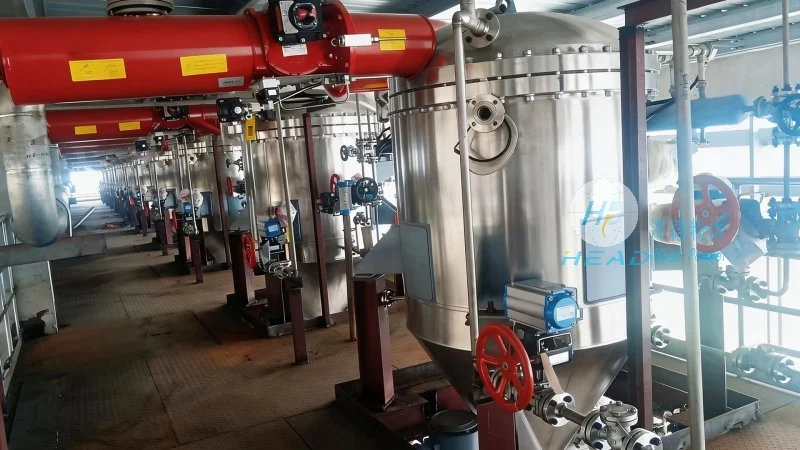
Company Overview: HeadPowder Engineering
Shandong HeadPowder Engineering Co., Ltd. is a leading manufacturer specializing in powder processing and conveying equipment. With a focus on innovation and quality, the company has established itself as a trusted partner for clients in the agricultural and biomass sectors. HeadPowder's expertise lies in designing customized solutions that address the unique challenges of material handling, particularly in the processing of agricultural residues like corn stalks. The company's facilities are located in Shandong, China, where it leverages local manufacturing capabilities to deliver high-performance equipment tailored to global market demands.
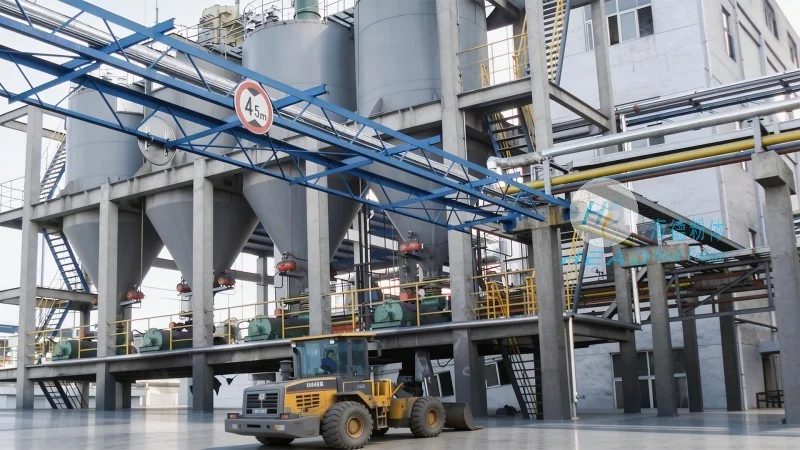
Operation Process of the Corn Stalk Powder Conveying Line
The operation of the corn stalk powder conveying line involves a series of coordinated steps that ensure the efficient movement of material from the initial processing stage to the final storage or processing unit. The process begins with the collection of raw corn stalks, which are then fed into a shredding or grinding unit to convert them into a fine powder. This powder is then transferred to a hopper or storage bin, where it is prepared for conveyance. The conveying line typically consists of components such as feeders, conveyors (e.g., screw conveyors or pneumatic systems), and control valves. The feeders regulate the flow of powder into the conveyor, while the conveyor itself transports the material to the next stage of processing or storage. The system is equipped with sensors and control panels that monitor the flow rate, pressure, and other critical parameters, ensuring optimal performance and preventing blockages or overloads. The entire operation is designed to be automated, minimizing the need for manual intervention and enhancing operational efficiency.
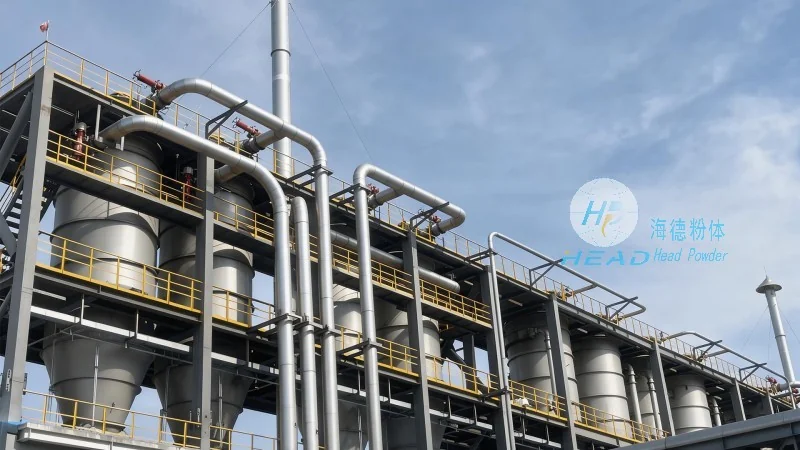
Working Principle of the Conveying System
The working principle of the corn stalk powder conveying line is based on the principles of mechanical and pneumatic conveying. Mechanical conveyors, such as screw conveyors or belt conveyors, use rotating components to move the powder along a defined path. These systems are particularly effective for handling dry, free-flowing materials like corn stalk powder, as they provide consistent and reliable transport without the need for additional air or pressure. Pneumatic conveying, on the other hand, utilizes compressed air to transport the powder through a pipeline. This method is suitable for longer distances or when the material needs to be transported through vertical or horizontal sections. The system combines both mechanical and pneumatic elements to achieve the most efficient conveying solution, depending on the specific requirements of the application. The control system integrates sensors that detect the level of material in the hopper, the speed of the conveyor, and the pressure in the pneumatic lines. These sensors send signals to the control panel, which adjusts the feed rate and conveyor speed to maintain a stable flow. The system also includes safety features such as overload protection and emergency stop buttons to ensure operator safety and prevent equipment damage.
Key Components and Their Functions
The corn stalk powder conveying line consists of several key components, each playing a critical role in the overall operation. The primary components include the shredding or grinding unit, feeders, conveyors, control panels, and storage bins. The shredding unit breaks down the corn stalks into smaller particles, preparing them for further processing. The feeder regulates the flow of material from the hopper into the conveyor, ensuring a consistent feed rate. The conveyor transports the powder to the next stage, using mechanical or pneumatic force to move the material. The control panel monitors and controls the entire system, adjusting parameters based on real-time data from sensors. The storage bin collects the conveyed powder, providing a buffer for downstream processing or storage. Each component is designed to work in harmony, ensuring that the material is handled efficiently and safely. The materials used in the construction of these components are selected for their durability and resistance to corrosion, ensuring long-term performance in demanding agricultural environments.
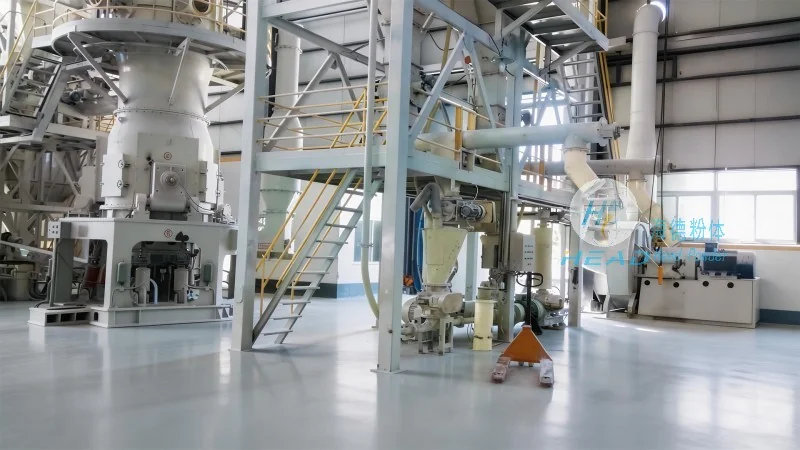
Advantages and Applications
The corn stalk powder conveying line offers several advantages over traditional material handling methods. It provides a continuous and automated process, reducing labor costs and increasing productivity. The system is also highly efficient, minimizing material loss and ensuring that the maximum amount of corn stalk powder is utilized. Additionally, the equipment is designed to be low-maintenance, with easy access to components for inspection and repair. The conveying line is widely used in biomass processing facilities, where it is employed to transport corn stalk powder for use as animal feed, biofuel, or industrial raw material. The system's flexibility allows it to be adapted to various processing requirements, making it suitable for both small-scale and large-scale operations. The use of advanced control systems and sensors ensures that the operation is optimized for performance and reliability, meeting the demands of modern agricultural processing.