

Operation Process and Working Principle of Inorganic Salt Crystal Powder Conveying Line
HeadPowder, a leading enterprise in the field of powder conveying technology, specializes in the design, manufacturing, and installation of advanced conveying systems for inorganic salt crystal powders. This article provides a detailed overview of the operation process and working principle of our inorganic salt crystal powder conveying lines, highlighting the key components, operational procedures, and technical advantages that ensure efficient and reliable material handling.
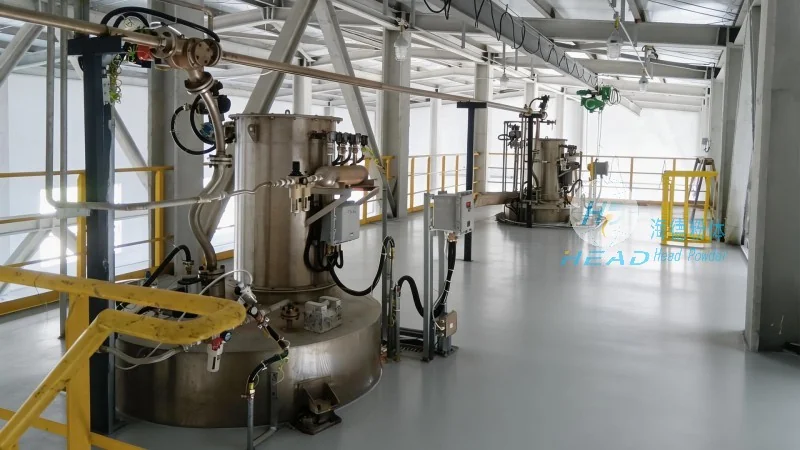
Overview of Inorganic Salt Crystal Powder Conveying Lines
Inorganic salt crystal powder conveying lines are engineered to handle the transportation of fine to medium-sized crystalline powders, such as sodium chloride, potassium chloride, or other mineral salts. These systems are critical in various industrial applications, including chemical processing, food production, and pharmaceutical manufacturing, where consistent and hygienic material transfer is essential. The design of these conveying lines is tailored to meet the specific characteristics of the powder, including particle size, moisture content, and flowability, ensuring optimal performance under different operational conditions.
Key Components of the Conveying System
The inorganic salt crystal powder conveying line typically consists of several interconnected components that work in harmony to achieve seamless material transfer. The primary components include a hopper for material storage, a feeder to control the flow rate, a conveyor system (such as a screw conveyor or pneumatic conveyor) for transporting the powder, and a discharge mechanism to deliver the material to the destination. Additionally, the system may incorporate dust collection and filtration equipment to maintain a clean and safe working environment, as well as sensors and control panels for monitoring and adjusting the operational parameters.
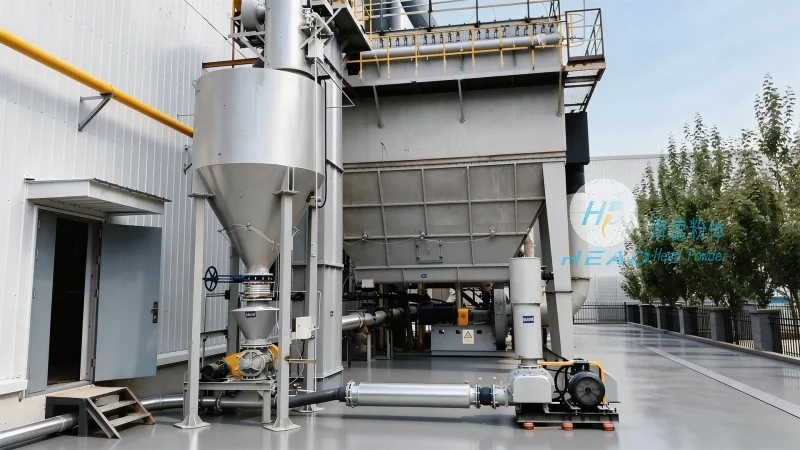
Working Principle of the Conveying Process
The operation of the inorganic salt crystal powder conveying line begins with the loading of the inorganic salt crystals into the storage hopper. The hopper is designed with a sloped bottom to facilitate the uniform discharge of the material. A feeder, often a rotary valve or a vibratory feeder, is then used to regulate the flow rate of the powder from the hopper. This controlled flow is crucial to prevent overloading the conveyor and to maintain a steady supply of material to the downstream processing equipment.
Once the powder is fed into the conveyor system, the material is transported through the pipeline or the conveyor shaft. For screw conveyors, the rotating screw mechanism pushes the powder forward, while pneumatic conveyors use compressed air to create a flow of air and powder mixture. The choice of conveyor type depends on factors such as the powder's characteristics, the required conveying distance, and the desired level of automation. The conveyor system is equipped with appropriate seals and bearings to minimize material leakage and ensure smooth operation.
Control and Monitoring Systems
To ensure the reliable and efficient operation of the inorganic salt crystal powder conveying line, advanced control and monitoring systems are integrated into the design. These systems typically include sensors that monitor parameters such as flow rate, pressure, and temperature. The control panel allows operators to adjust the feeder speed, conveyor speed, and other operational settings in real-time, enabling quick response to changes in material conditions or process requirements. Additionally, the system may include alarm functions to alert operators of any anomalies, such as blockages or excessive pressure, ensuring timely intervention and preventing equipment damage.
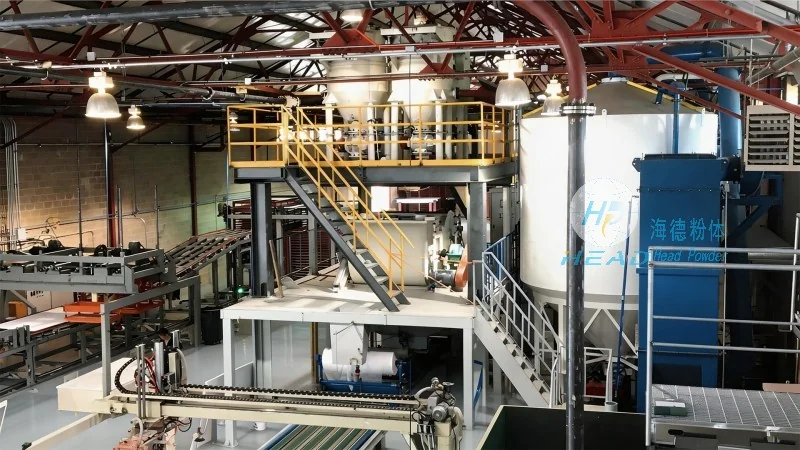
Advantages of HeadPowder's Conveying Solutions
HeadPowder's inorganic salt crystal powder conveying lines offer several advantages that make them ideal for industrial applications. The systems are designed for high efficiency, with minimal material loss and low energy consumption. The use of durable materials and robust construction ensures long service life and reduced maintenance costs. Furthermore, the systems are customizable to meet specific customer requirements, including different conveying capacities, distances, and environmental conditions. The company's expertise in powder handling technology, combined with its commitment to quality and customer satisfaction, makes HeadPowder a trusted partner for businesses seeking reliable and efficient conveying solutions.
Conclusion
In conclusion, the inorganic salt crystal powder conveying line is a sophisticated system that combines advanced engineering and technology to achieve efficient and reliable material handling. The operation process involves the coordinated function of various components, from the storage hopper to the discharge mechanism, ensuring a smooth flow of inorganic salt crystals. HeadPowder's expertise in this field, along with its commitment to quality and innovation, positions the company as a leading provider of conveying solutions for the inorganic salt industry. By understanding the working principle and operational process of these systems, businesses can optimize their material handling operations, improve productivity, and enhance overall efficiency.