

Operation Process and Working Principle of Dry Pebble Powder Conveying System Equipment
Headquartered in Shandong, China, Shandong HeadPowder Engineering Co., Ltd. specializes in the design and manufacturing of advanced dry pebble powder conveying systems. These systems are engineered to efficiently transport dry, granular materials like pebbles and powders in industrial applications. The following sections will detail the operational process and working principles of such equipment, providing a comprehensive understanding of its functionality and benefits.
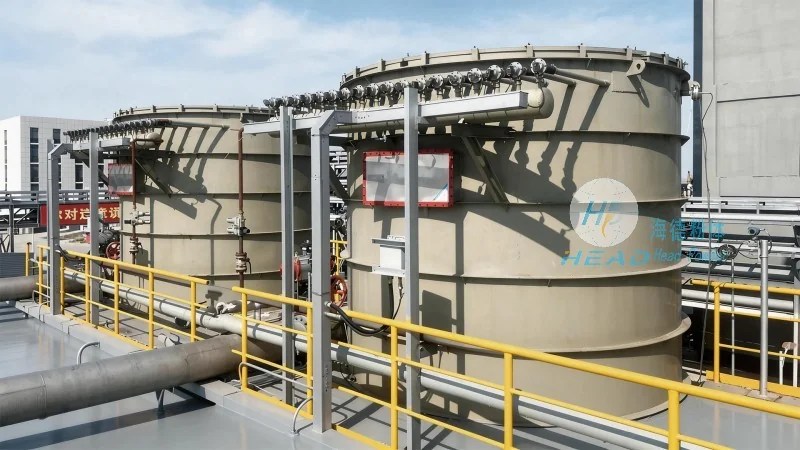
Key Components of the Conveying System
The dry pebble powder conveying system typically consists of several critical components that work in tandem to ensure smooth material handling. These include a hopper for material storage, a feeder to control the flow rate, a conveyor mechanism (such as a screw or pneumatic conveyor), and a control system for monitoring and adjusting operations. Each component plays a vital role in maintaining the system's efficiency and reliability. The hopper is designed to hold a sufficient quantity of material, often with a sloped bottom to facilitate flow. The feeder regulates the discharge rate, ensuring a consistent supply to the conveyor. The conveyor mechanism transports the material to the desired location, while the control system monitors and adjusts parameters to optimize performance.
Working Principle of the Conveying Process
The operation of the dry pebble powder conveying system begins with material loading into the hopper. The feeder then regulates the amount of material released into the conveyor. For screw conveyors, the rotating screw pushes the material forward, while pneumatic systems use air pressure to transport the powder through a pipeline. The control system continuously monitors parameters like flow rate, pressure, and temperature to ensure optimal performance and prevent blockages or overloading. Mechanical conveyors are ideal for bulk materials with a wide range of particle sizes, as they can handle both dry and slightly moist powders without causing degradation. Pneumatic conveyors, on the other hand, are suitable for fine powders and dust, as they minimize material contact with the system components, reducing the risk of contamination.
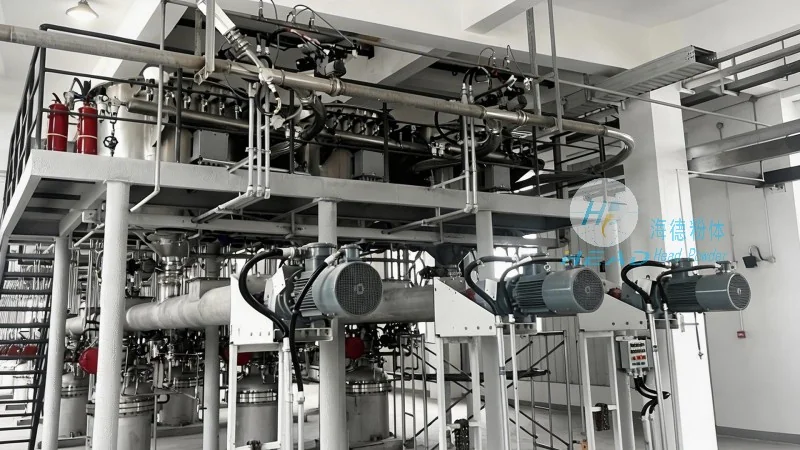
Operation Process: Step-by-Step Overview
1. **Material Loading**: Dry pebbles or powders are fed into the hopper from a storage silo or batch container. The hopper's capacity is determined based on the production rate and the frequency of material replenishment. For large-scale operations, multiple hoppers may be used to ensure a continuous supply of material. The hopper is designed with a sloped bottom to facilitate material flow into the feeder, preventing material bridging and ensuring smooth discharge.
2. **Feeder Control**: The feeder, often a rotary valve or a variable-speed screw feeder, adjusts the discharge rate of the material. This step is crucial for maintaining a consistent flow rate, which is essential for downstream processes like mixing or packaging. The feeder's speed can be adjusted based on the required output, allowing for precise control over the material flow. In some systems, a vibratory feeder is used to prevent material bridging and ensure smooth discharge, especially for cohesive materials.
3. **Conveyor Transport**: The material is then conveyed through the system. In mechanical conveyors, the screw or belt moves the material along the path. The screw conveyor is particularly effective for materials with a high angle of repose, as it can handle materials that are prone to caking or sticking. The belt conveyor is suitable for larger particles and can transport materials over longer distances. In pneumatic systems, compressed air propels the powder through the pipeline. The air velocity is carefully controlled to prevent material degradation and ensure efficient transport. The pipeline design, including bends and elbows, is optimized to minimize pressure loss and maintain consistent flow.
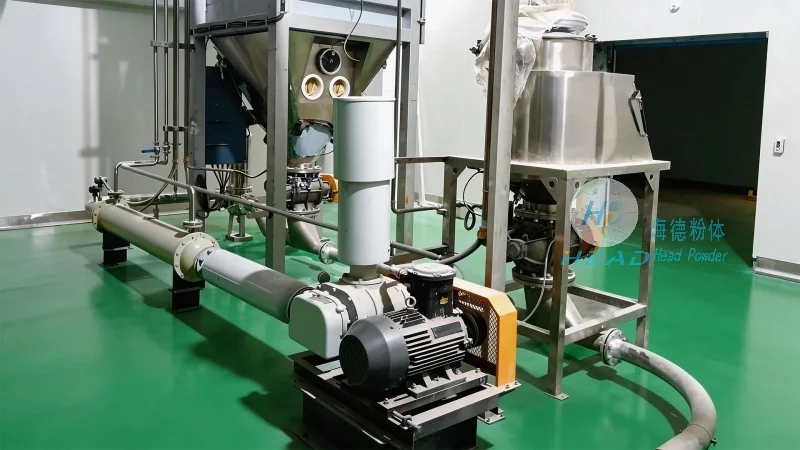
4. **Control and Monitoring**: The control system uses sensors and indicators to monitor key parameters. For example, pressure sensors detect blockages, while flow meters measure the rate of material transport. Temperature sensors may be used to monitor the material temperature, which is important for materials that are sensitive to heat. The control system also includes alarms and alerts to notify operators of any issues, such as high pressure or low flow. Adjustments are made in real-time to maintain the desired operating conditions, ensuring the system operates efficiently and safely.
Advantages of the Dry Pebble Powder Conveying System
Shandong HeadPowder Engineering Co., Ltd.'s dry pebble powder conveying systems offer several advantages in industrial settings. These include high efficiency in material transport, minimal material degradation due to gentle handling, and the ability to handle a wide range of particle sizes and moisture contents. The systems are also designed for easy maintenance and can be integrated with other industrial equipment for seamless operation. Additionally, the systems are energy-efficient, reducing operational costs and environmental impact. The modular design allows for easy customization to meet specific application requirements, making them suitable for various industries such as mining, construction, and food processing.