

Operation Process and Working Principle of Styrene Powder Handling System Equipment
Shandong HeadPowder Engineering Co., Ltd., a leading manufacturer in the field of powder handling technology, specializes in providing advanced solutions for the transportation and processing of various powders, including styrene. This article delves into the operation process and working principle of their styrene powder handling system equipment, highlighting the key components, operational steps, and technical mechanisms that ensure efficient and reliable performance.
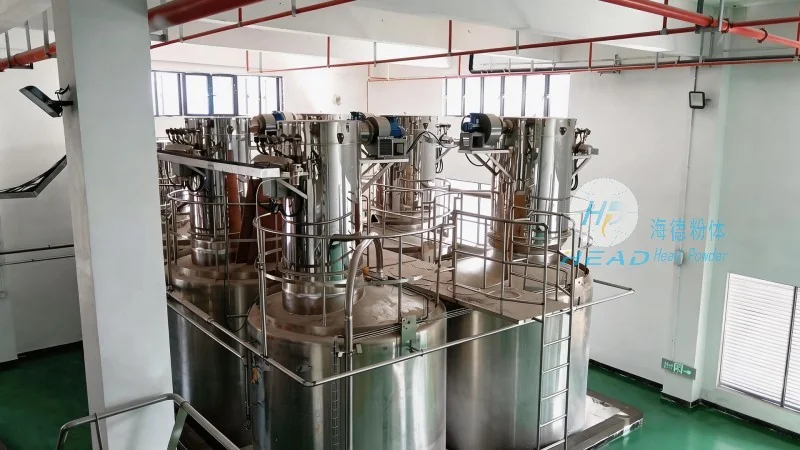
Overview of the Styrene Powder Handling System
The styrene powder handling system is a sophisticated piece of industrial equipment designed to handle, transport, and manage styrene powder in manufacturing and processing environments. It integrates mechanical, electrical, and control systems to achieve seamless operation, ensuring that the powder is moved safely and efficiently from storage to processing units. The system is engineered to meet stringent industrial standards, providing high accuracy, low maintenance requirements, and robust performance under various operational conditions.
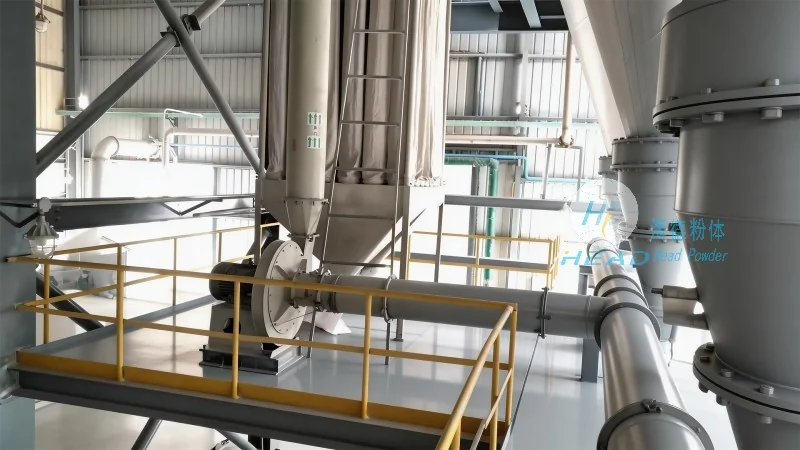
Key Components and Their Functions
The system comprises several critical components, each playing a vital role in the overall operation. These include: (1) Hoppers and feeders, which are responsible for receiving and feeding the styrene powder into the system; (2) Conveyors or pneumatic transport lines, which move the powder through the system; (3) Control panels and sensors, which monitor and regulate the flow and operation; (4) Dust collection and filtration systems, which ensure environmental safety and compliance with regulations. Each component is carefully designed and integrated to work in harmony, contributing to the system's reliability and efficiency.
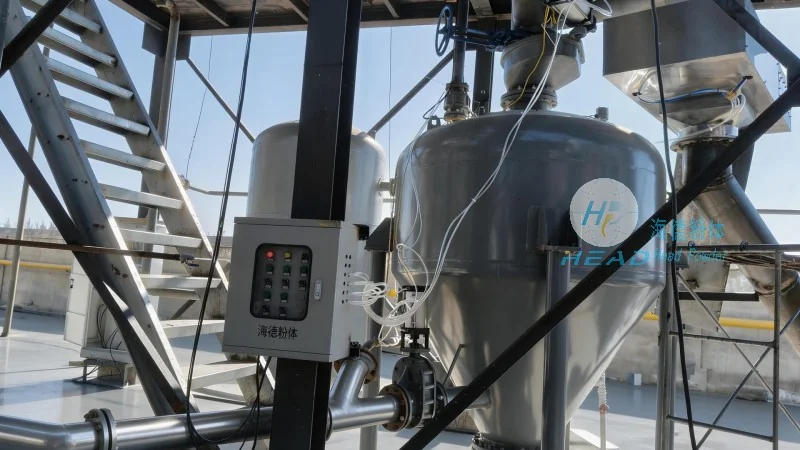
Operation Process of the System
The operation of the styrene powder handling system typically follows a structured sequence to ensure smooth and controlled movement of the powder. The process begins with the preparation phase, where the hoppers are filled with styrene powder and the system is checked for proper functionality. Once the system is ready, the following steps are executed: (1) Power activation and system initialization, where the control panel activates the motors and sensors; (2) Feeding, where the feeder starts and the powder is introduced into the conveyor; (3) Transport, where the conveyor or pneumatic line moves the powder to the designated processing point; (4) Dosing or discharge, where the powder is released into the processing equipment at the required rate; (5) Monitoring and adjustment, where the control system continuously monitors the flow rate and pressure, making real-time adjustments as needed. This sequential operation ensures that the styrene powder is handled with precision and minimal loss or contamination.
Working Principle Analysis
The working principle of the styrene powder handling system is based on the integration of mechanical force, pneumatic pressure, and electronic control. The mechanical components, such as conveyors and feeders, use gravity or mechanical force to move the powder, while the pneumatic systems utilize compressed air to create a flow of powder through the transport lines. The control system, equipped with sensors and feedback mechanisms, continuously monitors the pressure, flow rate, and level of the powder, adjusting the operation of the components to maintain optimal conditions. This closed-loop control system ensures that the system operates within safe and efficient parameters, preventing overloading, blockages, or other issues that could disrupt the process. The combination of these principles allows the system to handle styrene powder with high accuracy and reliability, meeting the demands of modern industrial applications.
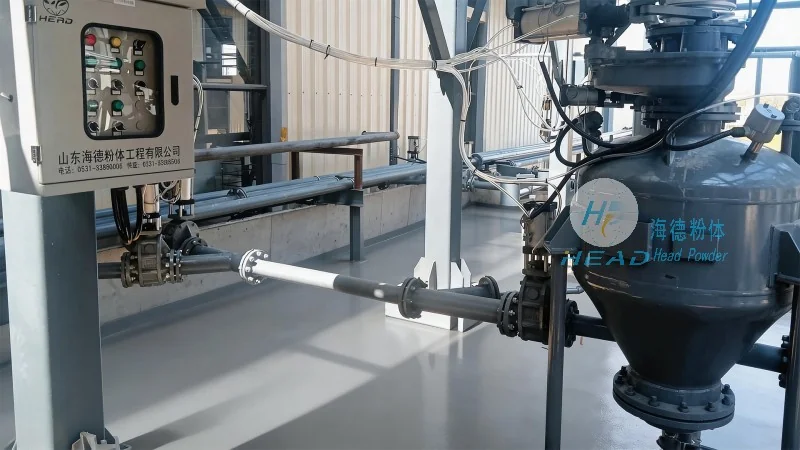
Maintenance and Safety Considerations
To ensure the long-term performance and safety of the styrene powder handling system, regular maintenance and adherence to safety protocols are essential. Maintenance activities include cleaning the hoppers and conveyors to prevent powder accumulation and blockages, checking the condition of belts and bearings, and inspecting the control system for any malfunctions. Safety considerations focus on preventing dust explosions, ensuring proper ventilation, and providing protective equipment for operators. The system is designed with safety features such as explosion-proof components, dust collection systems, and emergency stop buttons to minimize risks. By following the manufacturer's maintenance guidelines and safety procedures, the system can maintain its efficiency and reliability over extended periods, providing consistent performance for styrene powder handling applications.