

Operation Process and Working Principle of Limestone and Gypsum Powder Conveying System Equipment
Shandong HeadPowder Engineering Co., Ltd. is a professional manufacturer specializing in the design, production, and installation of powder conveying systems. The company is headquartered in Shandong, China, and has established a strong presence in the industry with a focus on providing high-quality solutions for the transportation of limestone and gypsum powders. This article will delve into the operation process and working principle of the limestone and gypsum powder conveying system equipment produced by HeadPowder, highlighting key aspects of its functionality and operational efficiency.
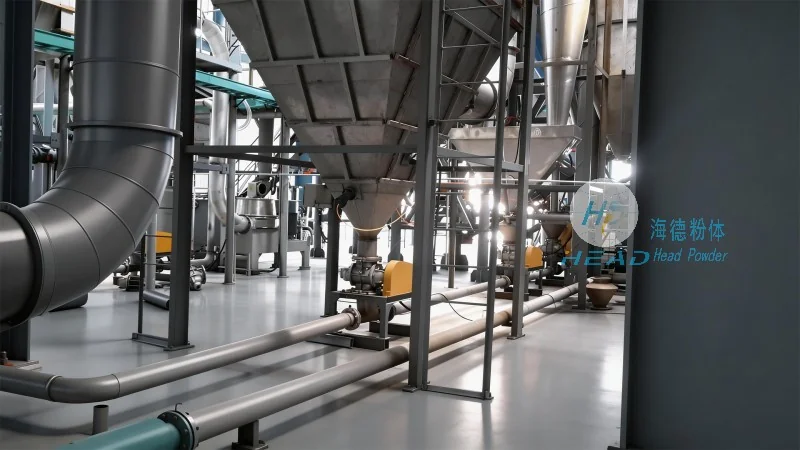
Introduction to the Limestone and Gypsum Powder Conveying System
The limestone and gypsum powder conveying system is a critical piece of equipment used in various industrial applications, including cement production, chemical processing, and construction material manufacturing. These systems are engineered to efficiently transport bulk powders such as limestone and gypsum over long distances with minimal loss and high reliability. The equipment is designed to handle different particle sizes and moisture content, ensuring consistent performance under varying operational conditions. HeadPowder's systems are known for their durability, energy efficiency, and ease of maintenance, making them a preferred choice for industries that require consistent and reliable powder handling solutions.
Operation Process of the Powder Conveying System
The operation of the limestone and gypsum powder conveying system typically involves several key steps. The process begins with the intake of raw materials, where limestone or gypsum powder is fed into the system via a hopper or silo. The material is then transferred to the conveying section, which may utilize either pneumatic or mechanical methods depending on the system design. In pneumatic systems, the powder is mixed with air and transported through a network of pipes under pressure. Mechanical systems, on the other hand, use screw conveyors, belt conveyors, or bucket elevators to move the material. The system is equipped with control valves and sensors that monitor the flow rate, pressure, and temperature, ensuring smooth and controlled operation. The final step involves the discharge of the material into the target storage or processing unit, completing the cycle. The entire process is automated, with programmable logic controllers (PLCs) managing the sequence of operations to optimize efficiency and minimize downtime.
Working Principle of the System Equipment
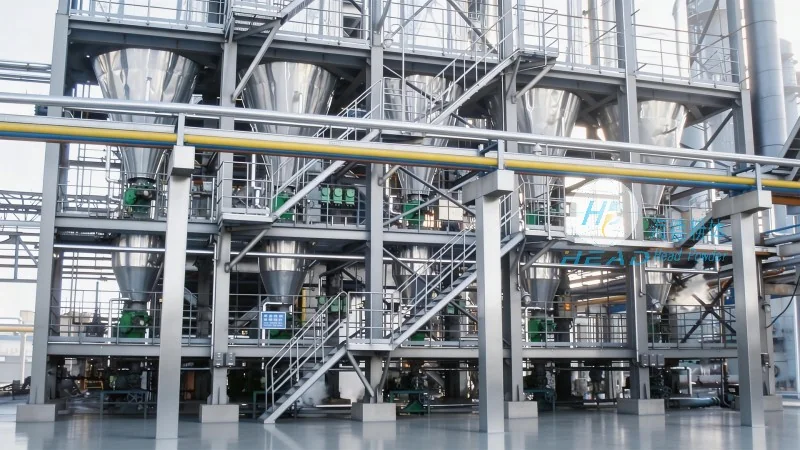
The working principle of the limestone and gypsum powder conveying system is based on the principles of fluidization and air flow. In pneumatic conveying systems, the powder is suspended in a stream of air and transported through the pipeline. The air pressure is maintained at a level sufficient to overcome the resistance of the powder particles and the pipeline friction. The system uses a combination of positive and negative pressure zones to ensure efficient material transport. For example, a positive pressure system uses compressed air to push the powder through the pipeline, while a negative pressure system uses vacuum to draw the powder from the source. The equipment includes components such as feeders, air blowers, filters, and dust collectors to ensure the material is conveyed without clogging or degradation. The control system monitors the pressure and flow rates, adjusting the air volume as needed to maintain optimal conveying conditions. This ensures that the powder is transported safely and efficiently, with minimal loss and contamination.
Key Components and Their Functions
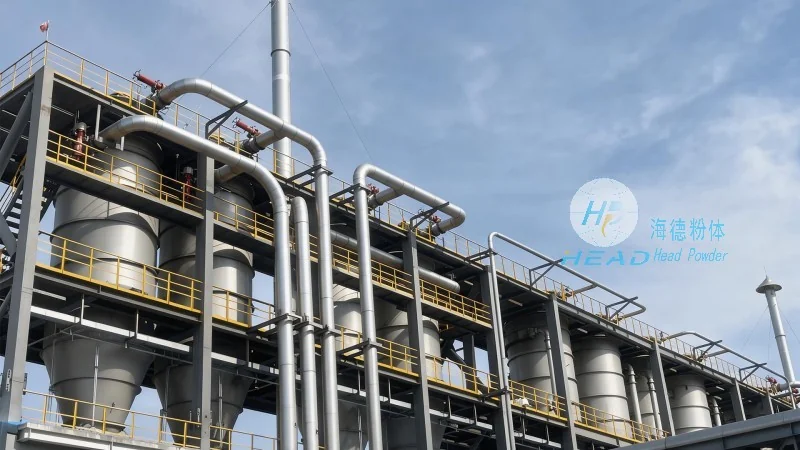
Several key components are integral to the operation of the limestone and gypsum powder conveying system. The feed hopper is responsible for storing and feeding the raw material into the system, ensuring a consistent flow rate. The feeder, which may be a rotary valve or a screw feeder, regulates the amount of material entering the conveying line. The air blower or vacuum pump provides the necessary pressure or suction to move the powder through the pipeline. The pipeline network connects the various sections of the system, with bends and elbows designed to minimize pressure loss. The filter and dust collector are crucial for maintaining air quality and preventing dust emissions. The control panel, equipped with sensors and a PLC, monitors all operational parameters and adjusts the system as needed. Each component is designed to work in harmony, ensuring the overall system operates efficiently and reliably.
Advantages and Applications
The limestone and gypsum powder conveying system offers several advantages over traditional methods of powder handling. It provides a dust-free and hygienic environment, reducing the risk of contamination and improving workplace safety. The system is also highly flexible, allowing for the transportation of materials over long distances and through complex layouts. It is energy-efficient, as it minimizes material handling losses and reduces the need for manual labor. The system is widely used in the cement industry for transporting raw materials, in chemical plants for handling bulk chemicals, and in construction material manufacturing for delivering gypsum and other powders. The reliability and durability of HeadPowder's systems make them suitable for continuous operation in demanding industrial environments.