

Operation Process and Working Principle of Nitrogen Circulation Material Handling
HeadPowder, a leading engineering company based in Shandong, China, specializes in the design and implementation of advanced nitrogen circulation material handling systems. These systems are engineered to efficiently transport and manage bulk materials in industrial settings, ensuring optimal performance and safety through a closed-loop nitrogen environment. The following sections detail the operational process and working principles of such systems, highlighting key components and their functions.
Key Components and Their Roles
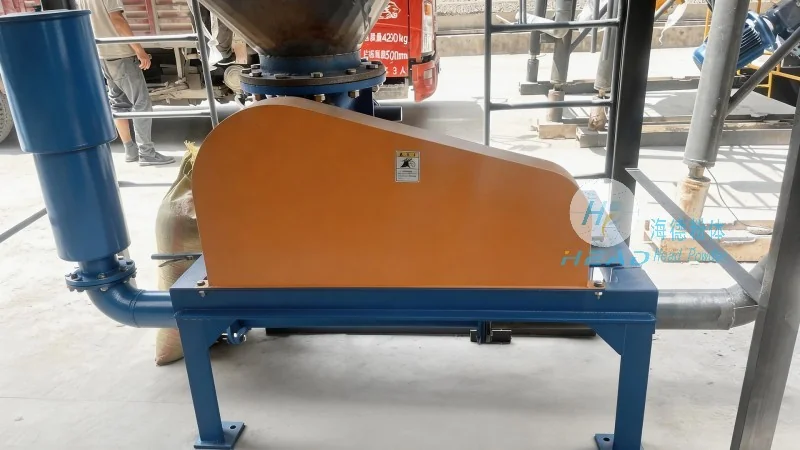
The nitrogen circulation material handling system consists of several critical components that work in tandem to achieve efficient material transport. The primary elements include a nitrogen generator, a material conveyor system, a dust collector, and a control panel. The nitrogen generator produces high-purity nitrogen gas, which is then circulated through the system to create an inert atmosphere, preventing oxidation and contamination of the materials being handled. The material conveyor, often equipped with specialized belts or screws, moves the bulk material from the storage area to the processing or packaging stations. The dust collector ensures that any airborne particles are captured and filtered, maintaining a clean and safe working environment. The control panel allows operators to monitor and adjust the system parameters, ensuring smooth and continuous operation.
Operation Process
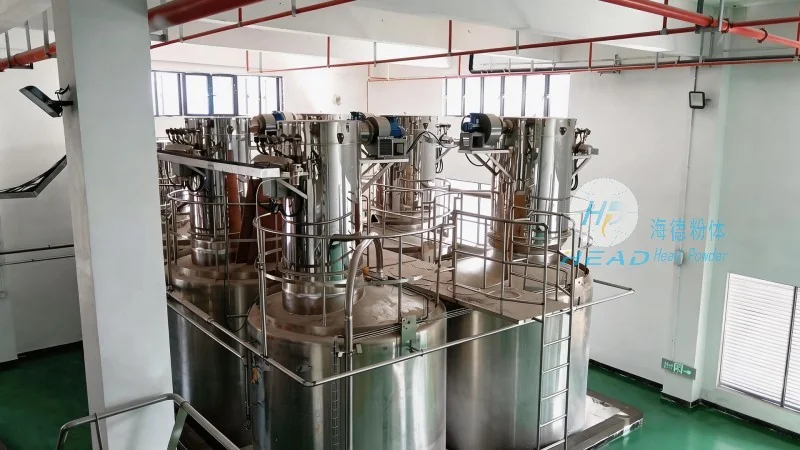
The operation of a nitrogen circulation material handling system typically follows a sequential process. Initially, the system is activated, and the nitrogen generator starts producing nitrogen gas. The gas is then distributed through the conveyor system, creating a protective nitrogen blanket around the moving material. As the material is conveyed, it is transported from the storage silo or hopper to the processing equipment. During this phase, the system continuously monitors the nitrogen levels and material flow rates to maintain optimal conditions. At the processing stage, the material may undergo various operations such as mixing, blending, or packaging. The nitrogen environment remains consistent throughout, preventing any exposure to air that could degrade the material quality. After processing, the material is either discharged into a storage container or sent to the next stage of production. The system then returns to standby mode once the material has been fully processed or when the production cycle is complete.
Working Principles
The working principle of a nitrogen circulation material handling system is based on the principles of inert gas protection and efficient material transport. The core concept is to maintain a closed-loop nitrogen environment that isolates the material from atmospheric oxygen and moisture. This is achieved by continuously circulating high-purity nitrogen through the conveyor and processing areas. The system uses sensors to detect any leaks or changes in nitrogen concentration, automatically adjusting the gas flow to maintain the desired pressure and purity. The material is transported using mechanical systems such as screw conveyors or belt conveyors, which are designed to handle bulk materials without causing segregation or degradation. The dust collection system is integrated to capture any fine particles that may be generated during material movement, ensuring that the air remains clean and free from contaminants. The control system manages all operational parameters, including nitrogen flow rate, conveyor speed, and dust collector operation, to ensure that the system operates efficiently and safely. By combining these elements, the nitrogen circulation material handling system provides a reliable and effective solution for transporting sensitive materials in industrial applications.
Benefits and Applications
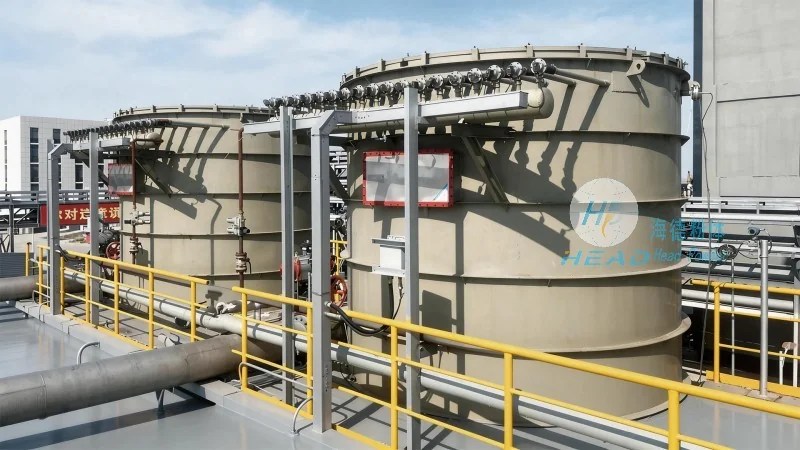
HeadPowder's nitrogen circulation material handling systems offer several advantages for industrial operations. The primary benefit is the protection of sensitive materials from oxidation and contamination, which is crucial for products such as pharmaceuticals, food ingredients, and chemicals. The closed-loop nitrogen environment also reduces the risk of fire or explosion in environments where flammable materials are handled. Additionally, the system improves material handling efficiency by minimizing downtime and ensuring consistent material flow. These systems are widely used in industries such as pharmaceutical manufacturing, food processing, chemical processing, and aerospace, where the quality and safety of materials are paramount. The robust design and reliable operation of HeadPowder's systems make them a preferred choice for companies seeking to enhance their material handling processes while maintaining high standards of quality and safety.