

Operating Process and Working Principle of Graphite Lump Material Conveying
Graphite lump material conveying is a critical process in industrial applications, particularly in the processing and handling of graphite materials. Understanding the operating process and working principle of such systems is essential for optimizing efficiency, ensuring safety, and maintaining product quality. This article provides a detailed overview of the key aspects involved in the conveyance of graphite lumps, including the operational steps, mechanical components, and the underlying principles that govern their performance. The information is presented by Shandong HeadPowder Engineering Co., Ltd., a leading provider of material handling solutions in China.
Introduction to Graphite Lump Material Conveying
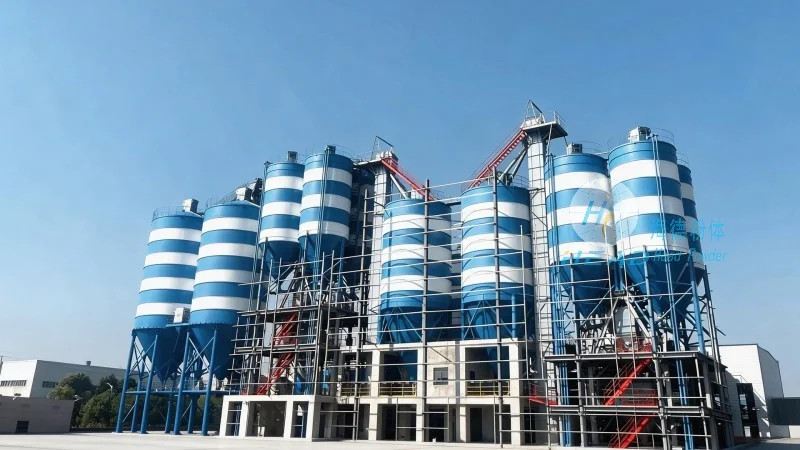
Graphite, a versatile and widely used material in various industries such as refractories, batteries, and lubricants, often comes in lump form that requires efficient transportation from storage to processing units. The conveyance of these lumps involves a series of steps and mechanisms designed to handle the material's physical properties, including its density, abrasiveness, and potential dust generation. The process typically begins with the storage of graphite lumps in bulk containers or silos, from which they are transferred to the conveying system.
Key Components of the Conveying System
The core components of a graphite lump material conveying system include feeders, conveyors, and control mechanisms. Feeders are responsible for regulating the flow of graphite lumps from the storage area to the conveyor. Common types of feeders used include screw feeders, vibratory feeders, and belt feeders, each chosen based on the material's characteristics and the required flow rate. The conveyor itself is the primary component that transports the graphite lumps over a specified distance. Various conveyor types are employed, such as belt conveyors, screw conveyors, and pneumatic conveyors, depending on the application and operational requirements.
Operating Process of Graphite Lump Conveying
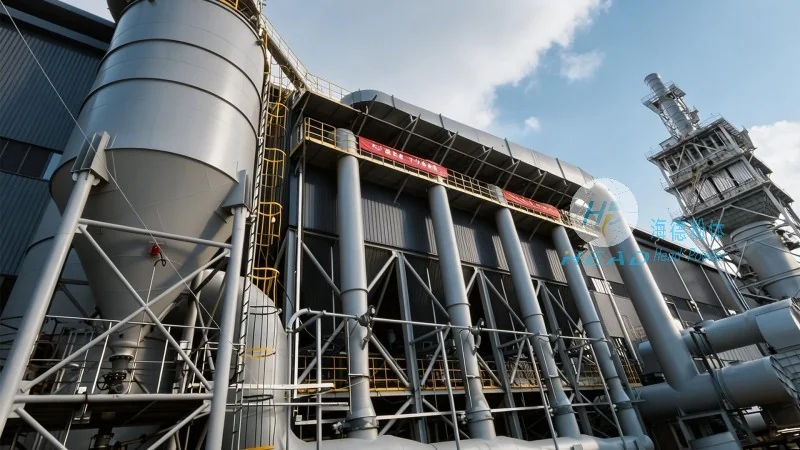
The operation of a graphite lump material conveying system generally follows a sequential process. Initially, the graphite lumps are discharged from the storage silo or hopper into the feeder. The feeder then controls the rate of material flow, ensuring a consistent and controlled feed to the conveyor. As the material moves through the conveyor, it is transported to the next processing stage or storage location. The system may include intermediate storage or processing units, such as crushers or classifiers, which are integrated into the conveying line to modify the material size or quality before final transport.
Working Principle of the Conveying Mechanism
The working principle of graphite lump material conveying systems is based on the transfer of energy to move the material from one point to another. For mechanical conveyors like belt or screw conveyors, the principle involves the use of a moving surface (e.g., a belt or screw) that contacts the material and pulls it along the conveyor path. The force applied by the conveyor is sufficient to overcome the material's friction and gravity, allowing it to move smoothly. In pneumatic conveying systems, the material is suspended in a stream of air and transported through pipes. This method is particularly effective for handling fine or dusty materials but may require higher air pressure and energy consumption.
Factors Influencing Conveying Efficiency
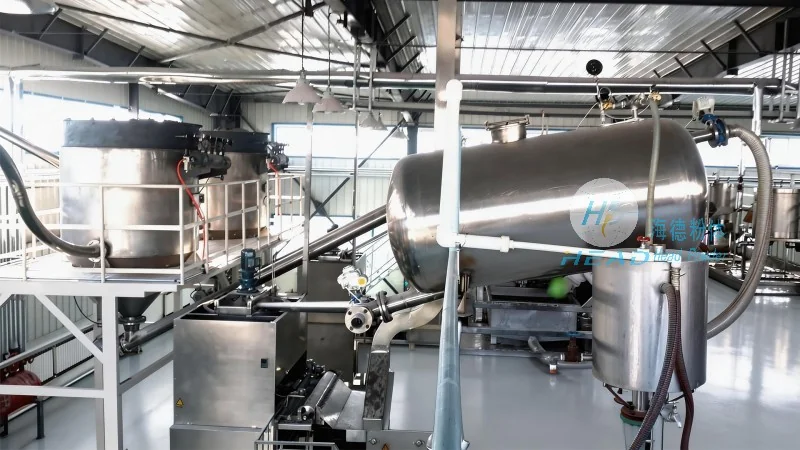
Several factors influence the efficiency of graphite lump material conveying. These include the material's physical properties, such as particle size distribution, moisture content, and abrasiveness, which affect the friction and flow characteristics. The design and maintenance of the conveying system also play a crucial role. Proper alignment of components, regular lubrication, and timely replacement of worn parts are essential to maintain optimal performance. Additionally, the control system's ability to regulate flow rates and respond to changes in material conditions ensures consistent operation and prevents system downtime.
Applications and Benefits of Graphite Lump Conveying
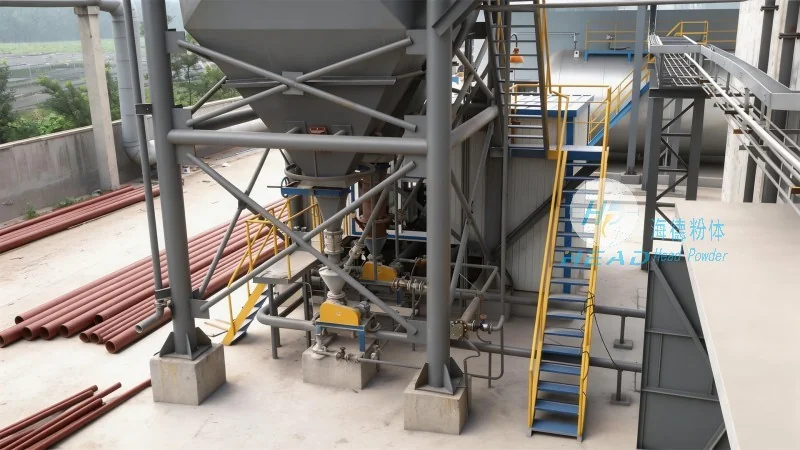
Graphite lump material conveying systems are widely used in various industrial settings. In the refractory industry, they are used to transport graphite lumps to furnaces and kilns for processing. In battery manufacturing, the system ensures the efficient delivery of graphite to production lines, where it is used as an anode material. The benefits of these systems include improved operational efficiency, reduced labor costs, and enhanced safety by minimizing manual handling of heavy or hazardous materials. Additionally, the ability to integrate conveying systems with other processing equipment streamlines production workflows and improves overall productivity.
Conclusion
In conclusion, the operating process and working principle of graphite lump material conveying systems are critical to the efficient handling and processing of graphite materials. By understanding the key components, operational steps, and influencing factors, industries can optimize their conveying systems to meet specific requirements and achieve higher levels of productivity and safety. The continuous advancement of technology in material handling equipment further enhances the capabilities of these systems, ensuring their relevance and importance in modern industrial applications.