

The Operation Process and Working Principle of Foamed Plastic Material Conveying
For the efficient handling and transportation of foamed plastic materials, the conveying system employs a series of meticulously designed steps that ensure smooth operation and optimal performance. The process begins with the intake of raw foamed plastic material, which is typically stored in bulk or in containers. This initial stage involves the use of appropriate feeding mechanisms, such as hoppers or feeders, that can handle the lightweight and often irregularly shaped nature of foamed plastics. The feeding equipment is engineered to minimize material degradation and ensure a consistent flow rate, which is crucial for maintaining the integrity of the material during transport. The intake hopper, often made of durable materials like stainless steel or high-density polyethylene, is designed to accommodate large volumes of material and prevent spillage. It may include a pre-screening component to remove any large debris or foreign objects that could interfere with the conveying process. The feeder, whether a rotary valve or a vibratory feeder, regulates the material flow into the conveying line, ensuring a steady supply to the next stage.
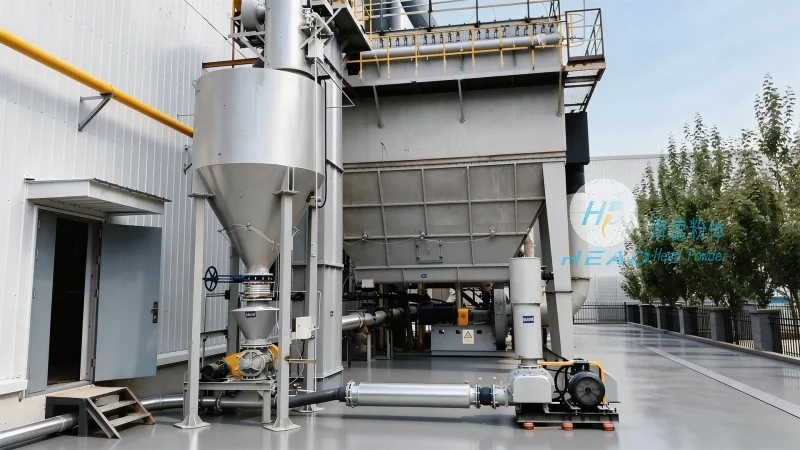
Working Principle of the Conveying System
The core of the foamed plastic material conveying system lies in its mechanical components and the principles of material movement. The system commonly utilizes pneumatic or mechanical conveying methods, with pneumatic systems being particularly effective for handling lightweight, dust-free foamed plastics. In a pneumatic conveying setup, compressed air is used to create a pressure differential that propels the material through a network of pipes. The air flow is controlled by valves and regulators to maintain a stable velocity, preventing material settling or blockages. The conveying line, typically made of stainless steel or plastic, is designed to minimize friction and ensure the material moves smoothly. For materials that are more abrasive or require higher throughput, mechanical conveying, such as screw or belt conveyors, may be employed. These systems rely on rotational motion to move the material, with the screw or belt providing continuous transport. The choice between pneumatic and mechanical systems depends on factors like material properties, distance to be conveyed, and required throughput.
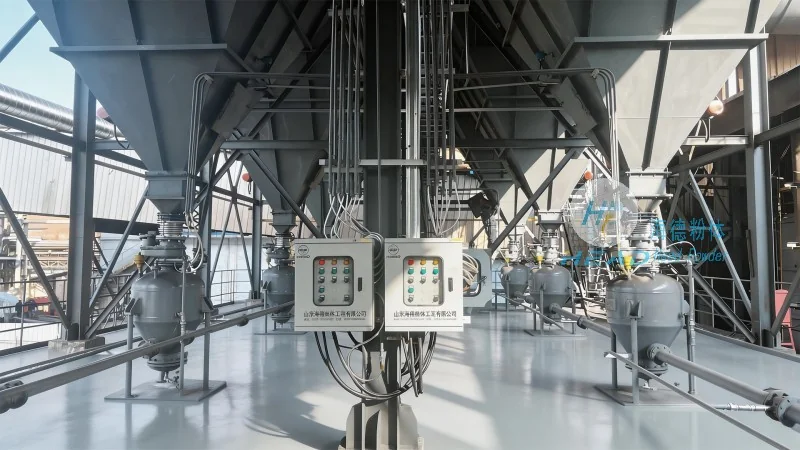
Key Components and Their Functions
Several critical components work in tandem to ensure the seamless operation of the foamed plastic conveying system. The intake hopper is the first component, designed to store and feed the material into the system. It is typically equipped with a discharge valve or feeder to regulate the flow. The conveying line, whether pneumatic or mechanical, consists of pipes or troughs that guide the material from the intake to the discharge point. For pneumatic systems, the line includes filters and cyclones to separate any entrained air or fine particles, ensuring the material remains clean. In mechanical systems, the conveyor itself (e.g., screw or belt) is the primary component, with drive mechanisms and supports to maintain proper alignment and tension. The drive unit, which may be electric or hydraulic, provides the necessary power to move the material. Supports, such as hangers or brackets, keep the line stable and prevent sagging, which could lead to material accumulation or blockages. The discharge unit is essential, as it controls the release of the material at the end of the line, preventing spillage and ensuring accurate delivery to the next processing stage. This unit may include a receiving hopper or a discharge valve that can be adjusted to control the flow rate and direction of the material.
Process Control and Optimization
Effective control of the conveying process is vital for maintaining efficiency and product quality. Modern systems incorporate sensors and control panels that monitor parameters such as flow rate, pressure, and temperature. These sensors provide real-time data, allowing operators to adjust settings as needed to optimize performance. For example, if the flow rate decreases, the system can automatically increase air pressure or adjust the feeder speed to maintain a consistent output. Additionally, the use of feedback loops helps in detecting blockages or other issues promptly, enabling quick intervention to prevent system downtime. Regular maintenance of the components, such as cleaning filters or lubricating moving parts, is also essential to ensure long-term reliability and minimize operational costs. The control system may also include alarms and indicators that alert operators to any deviations from normal operation, allowing for immediate corrective action. By implementing advanced control strategies, the conveying system can achieve higher throughput, reduce energy consumption, and improve overall productivity.
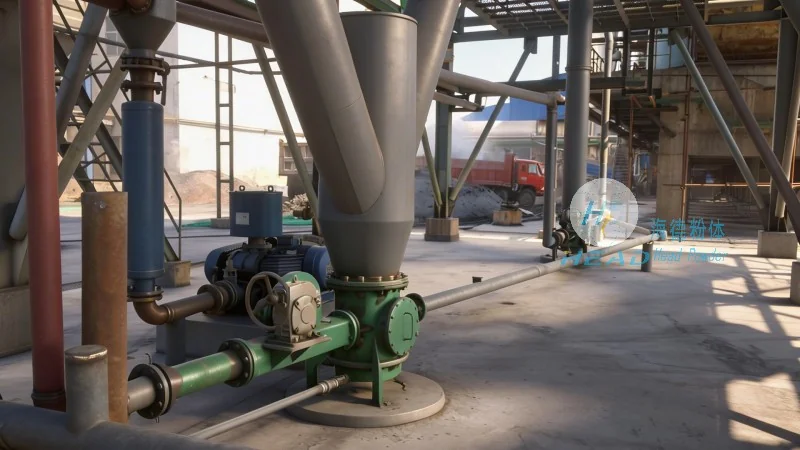
Applications and Industry Impact
The efficient conveying of foamed plastic materials plays a significant role in various industries, including packaging, construction, and automotive manufacturing. In packaging, foamed plastics are used for cushioning and insulation, and the conveying system ensures these materials are delivered to production lines without damage. The lightweight nature of foamed plastics makes them ideal for packaging applications, as they provide excellent protection while minimizing weight and shipping costs. The conveying system helps in maintaining the material's shape and integrity, preventing compression or deformation that could affect its performance. In construction, foamed plastics are utilized in insulation and soundproofing applications, and the reliable transport of these materials is critical for project timelines. The construction industry relies on consistent and high-quality material supply to meet deadlines and ensure building performance standards. The conveying system supports this by providing a continuous flow of material to the construction site. In the automotive industry, foamed plastics are used in interior components, such as seat cushions and door panels, where the conveying system helps in maintaining consistent quality and reducing waste. The automotive sector demands precision and efficiency in material handling, and the foamed plastic conveying system meets these requirements by delivering materials in a controlled and uniform manner. By providing a reliable and efficient method of material transport, the foamed plastic conveying system enhances productivity and supports the overall success of these industries. The system's ability to handle various types of foamed plastics, from low-density to high-density materials, makes it versatile and adaptable to different industrial needs. This adaptability is a key factor in its widespread adoption across multiple sectors.