

Cement Fly Ash Material Conveying: Operation Process and Working Principle
In industrial settings, the efficient handling of cement and fly ash materials is critical for maintaining production efficiency and ensuring product quality. Cement fly ash material conveying systems are engineered to transport these bulk materials from storage to processing or distribution points with precision and reliability. This article delves into the operation process and working principle of such systems, highlighting the key elements that contribute to their effectiveness. The focus is on the practical implementation of these systems, which are tailored to meet the specific demands of the cement industry and related sectors.
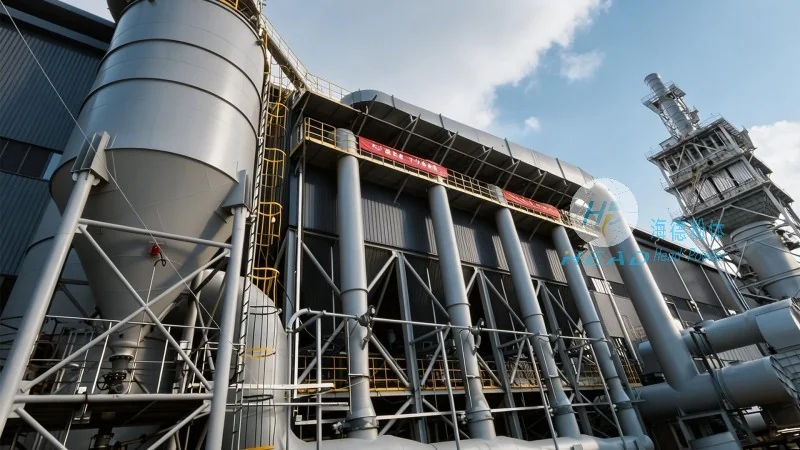
About Shandong HeadPowder Engineering Co., Ltd.
Shandong HeadPowder Engineering Co., Ltd., operating under the brand name HeadPowder, is a prominent player in the material handling industry. Headquartered in Shandong, China, the company has established itself as a trusted provider of customized conveying solutions. With a team of experienced engineers and technicians, HeadPowder specializes in designing and manufacturing systems that address the unique challenges of transporting cement and fly ash. The company's commitment to innovation and quality has enabled it to serve a wide range of clients, from large-scale cement plants to smaller industrial facilities. HeadPowder's solutions are designed to enhance operational efficiency, reduce downtime, and improve overall productivity.
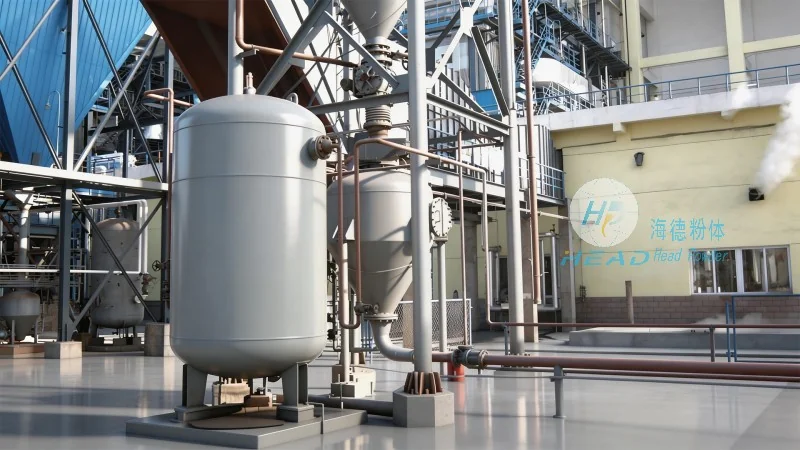
Working Principle of Cement Fly Ash Material Conveying
The working principle of cement fly ash material conveying systems is based on the integration of mechanical and pneumatic technologies to facilitate the movement of bulk materials. The system typically starts with the material being stored in a silo or hopper. A feeder then regulates the flow of material from the storage vessel to the conveyor. The conveyor, which may be a belt conveyor, screw conveyor, or pneumatic pipeline, transports the material to the next stage of the process. For cement and fly ash, which are fine and powdery, the system incorporates features like dust suppression and material conditioning to prevent clogging and ensure smooth flow. The control system monitors parameters such as flow rate, pressure, and temperature, adjusting the operation as needed to maintain optimal performance. This integrated approach ensures that the material is transported safely and efficiently, minimizing the risk of material loss or environmental contamination.
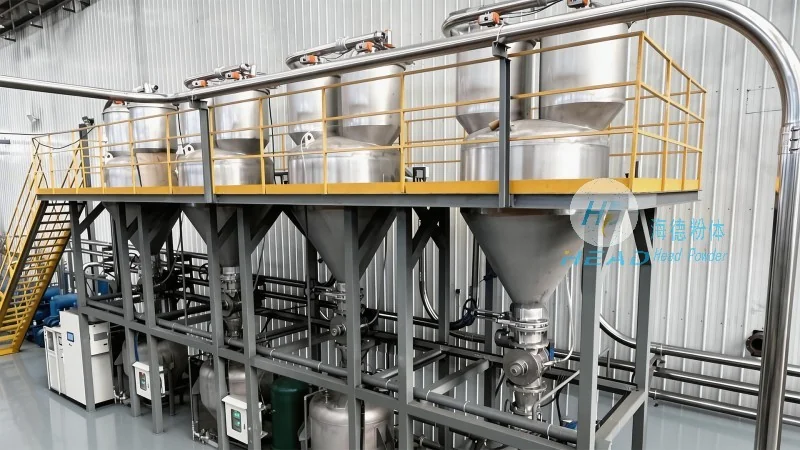
Operation Process of Cement Fly Ash Material Conveying
The operation process of cement fly ash material conveying involves a series of coordinated steps that ensure continuous and reliable material transfer. The process begins with the material being loaded into the storage silo, where it is stored under controlled conditions to maintain its properties. The feeder system then regulates the flow of material from the silo to the conveyor, ensuring a consistent feed rate. The conveyor transports the material to the processing or distribution point, where it is further used in cement production or other applications. The control system continuously monitors the operation, adjusting parameters like speed and pressure to maintain optimal flow. Any issues, such as blockages or variations in material flow, are detected and addressed by the system's alarm and maintenance features. Regular maintenance, including cleaning and inspection of components, is performed to ensure the system operates efficiently over time. The entire process is automated, reducing the need for manual intervention and minimizing the risk of human error. This systematic approach ensures that the material is handled safely and effectively, meeting the demands of modern industrial operations.