

The Operation Process and Working Principle of Calcite Material Conveying
Calcite, a common calcium carbonate mineral, is widely used in various industrial applications such as construction, pharmaceuticals, and chemical manufacturing. Efficient material conveying is crucial for the smooth operation of calcite processing plants. This article provides a detailed overview of the operation process and working principle of calcite material conveying systems, highlighting key components, operational steps, and the role of advanced engineering solutions.
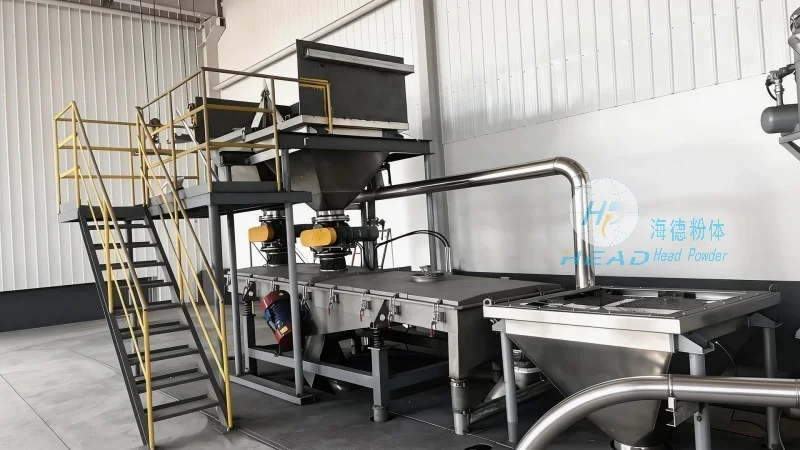
HeadPowder, a leading provider of material handling solutions, specializes in designing and implementing customized conveying systems tailored to the unique needs of calcite processing facilities. With a strong focus on reliability, efficiency, and safety, HeadPowder's systems ensure optimal performance while adhering to industry standards and regulatory requirements.
Key Components of Calcite Material Conveying Systems
The calcite material conveying system typically consists of several critical components that work in harmony to transport the material from the source to the destination. These components include feeders, conveyors (such as belt conveyors, screw conveyors, or pneumatic conveyors), transfer points, and control systems. Each component plays a vital role in ensuring the seamless flow of calcite material through the entire process.
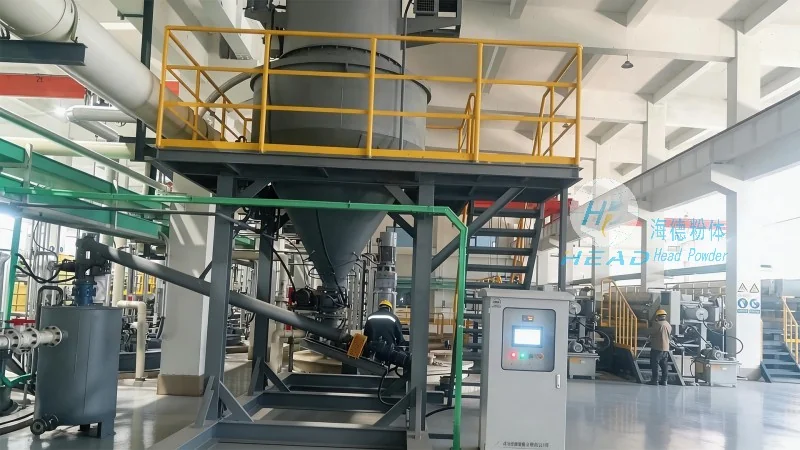
Feeders are responsible for uniformly feeding calcite into the conveyor system, preventing blockages and ensuring consistent material flow. Belt conveyors are commonly used for horizontal and slight incline applications, offering high capacity and low maintenance. Screw conveyors are ideal for vertical or inclined transport, providing a compact solution for handling bulk calcite. Pneumatic conveyors, on the other hand, use air pressure to transport calcite particles, making them suitable for dusty or hazardous environments.
The Operation Process of Calcite Material Conveying
The operation process of calcite material conveying involves several sequential steps that ensure the material is transported safely and efficiently. The process begins with the raw calcite being fed into the system by a feeder. The feeder regulates the flow rate, ensuring a steady supply of material to the conveyor. Once the material is in the conveyor, it is transported to the transfer point or the final destination.
At the transfer point, the calcite material may be directed to another conveyor or processing unit. This step is crucial for integrating the conveying system with other parts of the calcite processing plant. The control system monitors the entire process, adjusting the speed and flow rate as needed to maintain optimal performance. Sensors and alarms are integrated into the system to detect any abnormalities, such as blockages or overloads, and trigger appropriate actions to prevent damage to the equipment.
Working Principle of Calcite Material Conveying Systems
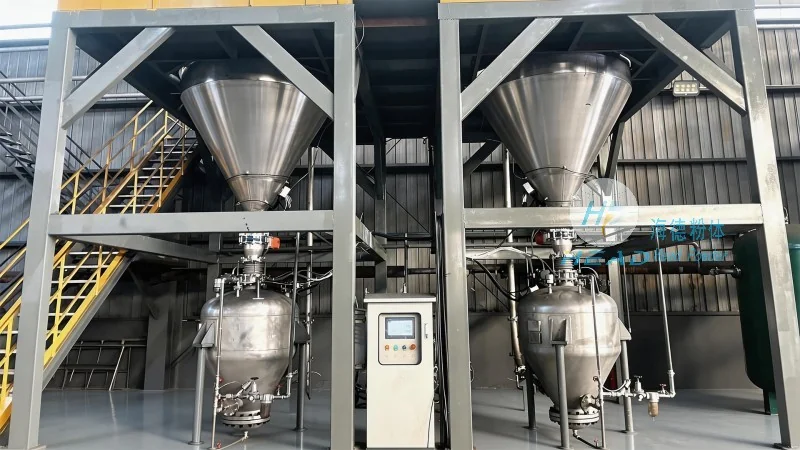
The working principle of calcite material conveying systems is based on the mechanical transfer of material through various components. For belt conveyors, the material is placed on the moving belt and carried along the path of the conveyor. The screw conveyor works by rotating a screw inside a tube, pushing the calcite material forward. Pneumatic conveyors use compressed air to create a flow of air and material through a pipeline, transporting the calcite particles to the desired location.
Each component operates based on specific principles to ensure the efficient movement of calcite. The feeder ensures uniform material distribution, the conveyor provides the necessary force to move the material, and the control system maintains the stability of the process. The integration of these components allows for a continuous and reliable conveying process, minimizing downtime and maximizing productivity.
HeadPowder's Engineering Solutions for Calcite Material Conveying
Shandong HeadPowder Engineering Co., Ltd., commonly known as HeadPowder, is a reputable company based in Shandong, China, specializing in the design, manufacturing, and installation of material conveying systems for calcite and other bulk materials. HeadPowder's expertise lies in understanding the unique challenges of calcite processing and developing customized solutions that meet the specific requirements of each client.
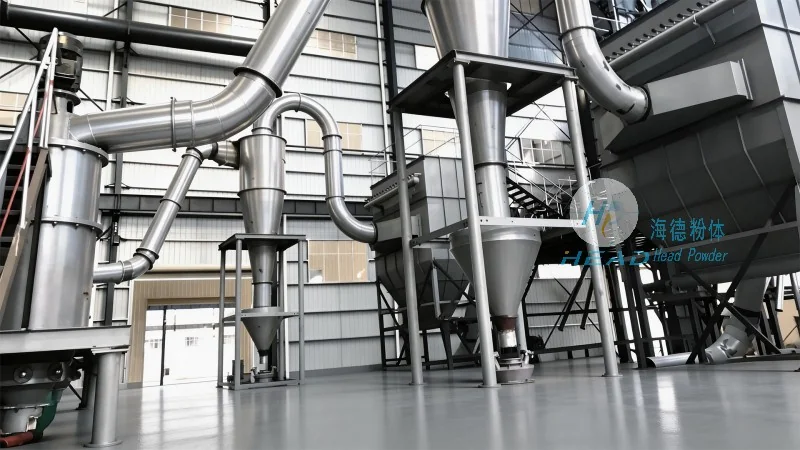
HeadPowder's team of experienced engineers and technicians work closely with clients to assess their material handling needs, analyze the process flow, and recommend the most suitable conveying system. The company uses advanced technology and materials to ensure the durability and efficiency of its systems, reducing maintenance costs and increasing the lifespan of the equipment. HeadPowder's commitment to quality and customer satisfaction has made it a trusted partner for many calcite processing facilities worldwide.
Conclusion
In conclusion, the operation process and working principle of calcite material conveying systems are critical to the efficient and safe processing of calcite in industrial applications. By understanding the key components, operational steps, and engineering principles involved, calcite processing facilities can optimize their material handling processes and improve overall productivity. HeadPowder, with its expertise and customized solutions, plays a vital role in supporting the calcite industry with reliable and efficient material conveying systems.