

Operation Process and Working Principle of Calcium Oxide Material Handling
Calcium oxide, commonly known as quicklime, is a critical industrial material used in various sectors such as construction, chemical manufacturing, and environmental treatment. Efficient and reliable material handling of calcium oxide is essential to ensure smooth production processes and maintain product quality. This article provides a detailed overview of the operation process and working principles of calcium oxide material handling systems, highlighting key components, operational procedures, and technical considerations.
Introduction to Calcium Oxide Material Handling Systems
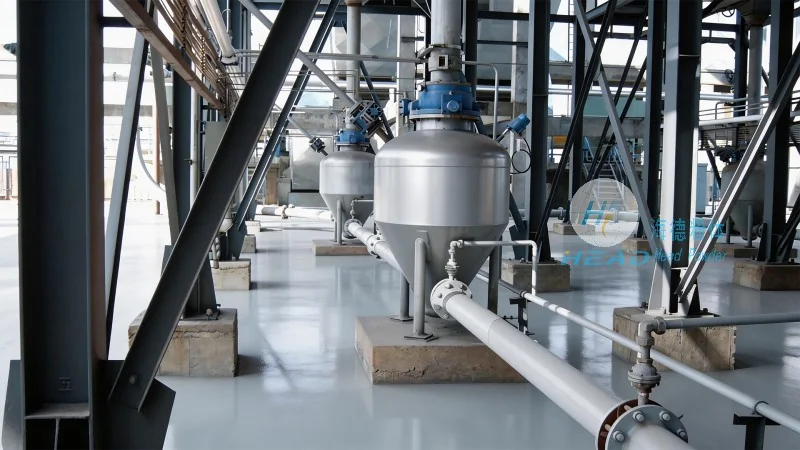
Calcium oxide material handling systems are designed to transport, store, and manage calcium oxide efficiently. These systems are typically integrated into larger industrial facilities, where calcium oxide is a key raw material or intermediate product. The systems may include conveyors, storage silos, feeding mechanisms, and control systems, all working in tandem to ensure seamless material flow. The primary goal is to minimize material loss, prevent contamination, and maintain consistent product quality throughout the handling process.
The Operation Process of Material Handling
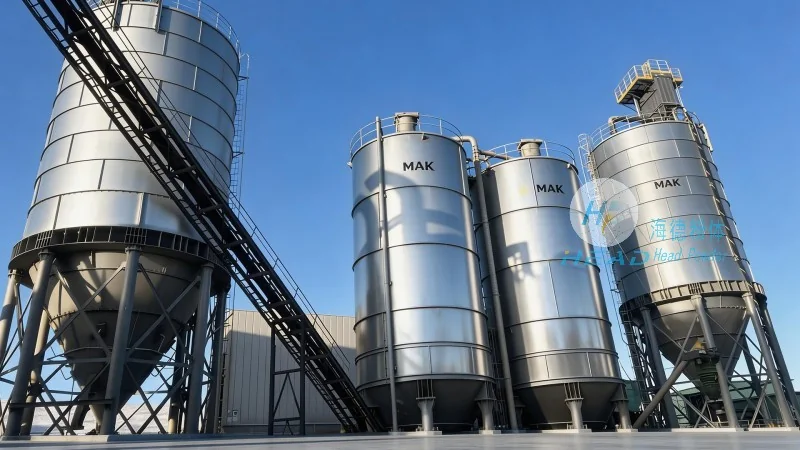
The operation process of calcium oxide material handling involves several sequential steps. First, raw calcium oxide is delivered to the facility, often in bulk containers or trucks. The material is then transferred to storage silos or hoppers using bulk material handling equipment like belt conveyors or screw conveyors. From the storage silos, the material is fed into processing equipment or downstream systems as needed. The entire process is typically automated, with control systems monitoring and regulating the flow of material to maintain optimal conditions. Key operational steps include material unloading, storage, feeding, and transfer, each requiring precise control to avoid issues such as caking, dust generation, or equipment damage.
Working Principle of the Systems
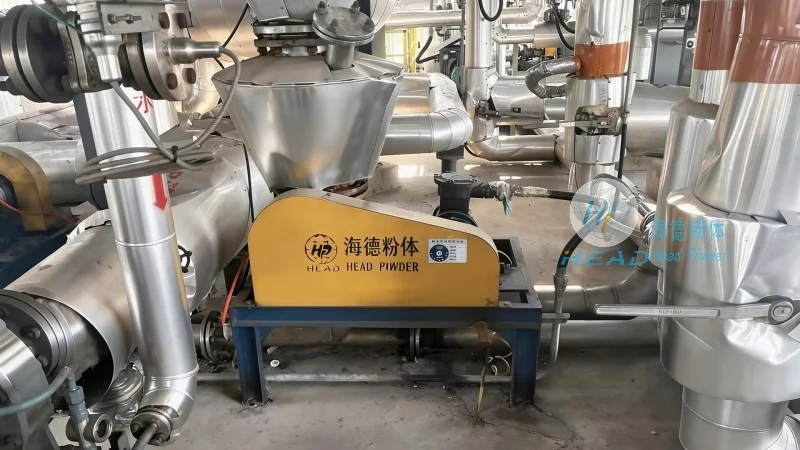
The working principle of calcium oxide material handling systems is based on mechanical and pneumatic technologies. Conventional systems often use gravity or mechanical force to move material through the system. For example, belt conveyors use motor-driven rollers to transport material horizontally or at an incline. Screw conveyors, on the other hand, use rotating screws to push material forward, making them suitable for vertical or inclined transport. Pneumatic systems, such as air slides or pneumatic conveyors, use compressed air to move material through pipes, which is particularly effective for handling fine powders like calcium oxide. The choice of system depends on factors such as material characteristics, handling capacity, and environmental considerations. Modern systems often incorporate advanced control technologies, including sensors and automation software, to optimize performance and ensure safety.
Company Profile and Technical Expertise
HeadPowder, or Shandong HeadPowder Engineering Co., Ltd., is a leading provider of industrial material handling solutions, with a strong focus on calcium oxide and other bulk materials. The company is headquartered in Shandong, China, and has extensive experience in designing, manufacturing, and installing material handling systems tailored to the specific needs of clients. HeadPowder's expertise lies in understanding the unique properties of calcium oxide, such as its reactivity and tendency to cake, and developing solutions that address these challenges. The company's technical team works closely with clients to assess their requirements, provide customized system designs, and ensure the systems meet industry standards and safety regulations. With a commitment to quality and innovation, HeadPowder has built a reputation for delivering reliable and efficient material handling solutions that enhance operational efficiency and product quality.
Application and Industry Standards
Calcium oxide material handling systems are widely used in various industries, including cement production, steel manufacturing, and environmental remediation. In cement plants, calcium oxide is used as a raw material in the production of clinker, and efficient handling ensures a steady supply of material to the kilns. In steel mills, calcium oxide is used for slag treatment and desulfurization, where precise material handling is crucial to maintain the quality of the steel. Environmental applications, such as flue gas desulfurization, also rely on calcium oxide material handling systems to deliver the material to scrubbers and other treatment equipment. Industry standards, such as those set by the American Society of Mechanical Engineers (ASME) and the International Organization for Standardization (ISO), guide the design and operation of these systems, ensuring safety, efficiency, and compliance with environmental regulations. HeadPowder adheres to these standards and provides systems that meet or exceed industry requirements, ensuring reliable performance and long-term durability.
Conclusion
In conclusion, the operation process and working principles of calcium oxide material handling systems are critical to the efficient and safe handling of this important industrial material. By understanding the key components and operational procedures, industries can optimize their material handling processes, reduce costs, and improve product quality. Companies like Shandong HeadPowder Engineering Co., Ltd. play a vital role in providing advanced material handling solutions that meet the evolving needs of the industry. With a focus on technical expertise and customer satisfaction, HeadPowder continues to be a trusted partner in delivering reliable and efficient calcium oxide material handling systems.