

Operation Process and Working Principle of Quicklime Material Conveying
HeadPowder, a leading engineering firm headquartered in Shandong, China, specializes in the design, manufacturing, and installation of efficient quicklime material conveying systems. These systems are critical for industries such as cement production, chemical processing, and environmental remediation, where the reliable transport of quicklime—calcium oxide—is essential for various operational processes.
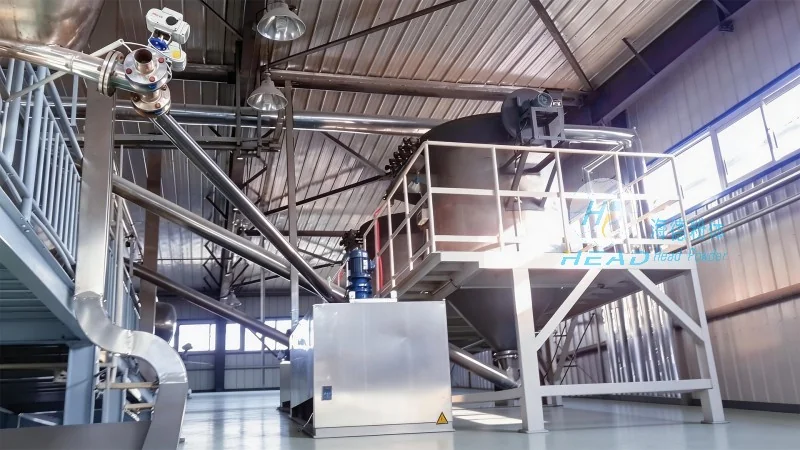
Overview of Quicklime Material Conveying Systems
Quicklime material conveying systems are engineered to handle the transportation of quicklime from storage silos or production units to processing equipment. The systems are designed to ensure minimal material loss, maintain consistent flow rates, and operate under varying environmental conditions. HeadPowder's solutions incorporate advanced technology and robust construction to meet the demanding requirements of industrial applications.
Key Components and Their Functions
The core components of a typical quicklime conveying system include storage silos, feeders, conveyors (such as screw conveyors, pneumatic conveyors, or bucket elevators), control panels, and safety devices. Each component plays a critical role in the overall operation:
1. Storage Silos: These large, airtight containers store quicklime in bulk, preventing moisture absorption and maintaining material quality. Silos are equipped with level sensors to monitor inventory levels and alert operators when refilling is needed.
2. Feeders: Feeders, often screw or rotary types, regulate the flow of quicklime from the silo to the conveyor. They ensure a consistent feed rate, which is vital for maintaining stable operation in downstream processes.
3. Conveyors: Depending on the application, different conveyor types are used. Screw conveyors are ideal for horizontal or slight incline transport, while bucket elevators are suitable for vertical lifting. Pneumatic conveyors are used for dust-free, high-volume transport over longer distances.
4. Control Panels: Integrated control systems manage the entire conveying process, including start/stop functions, speed adjustments, and alarm notifications for abnormal conditions like blockages or low material levels.
5. Safety Devices: Sensors and interlocks are installed to prevent accidents, such as overfilling or equipment failure, ensuring safe and reliable operation.
Operation Process of Quicklime Material Conveying
The operation of a quicklime material conveying system typically follows a sequential process:
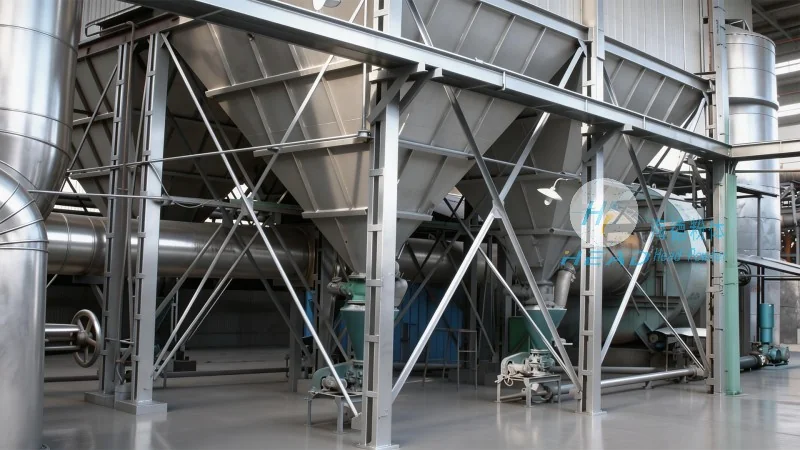
1. Material Loading: Quicklime is loaded into the storage silo from bulk trucks or other transport vehicles. The silo's airtight design prevents contamination and moisture ingress.
2. Material Feeding: The feeder receives quicklime from the silo and feeds it into the conveyor at a controlled rate. This step ensures a steady supply to the conveyor system.
3. Conveying: The conveyor transports the quicklime from the silo to the processing equipment. Horizontal conveyors move the material along a fixed path, while vertical elevators lift it to higher levels. Pneumatic systems use air pressure to move the material through pipes.
4. Discharge: At the end of the conveyor, the quicklime is discharged into the processing unit (e.g., a reactor or mixer). The discharge point is designed to minimize spillage and ensure smooth transfer to the next stage.
5. Monitoring and Control: The control panel continuously monitors system parameters, such as flow rate, pressure, and temperature. Operators can adjust settings in real-time to optimize performance and prevent issues like blockages or overloading.
Working Principle of Quicklime Material Conveying Systems
The working principle of quicklime material conveying systems is based on mechanical or pneumatic force to move the material from the source to the destination. The specific method depends on the system design and application requirements:
1. Mechanical Conveying: In mechanical systems, such as screw or belt conveyors, the material is moved by rotating components. For example, a screw conveyor uses a rotating screw to push the quicklime forward, while a belt conveyor uses a moving belt to transport the material. These systems are efficient for horizontal or slight incline transport and are widely used in industrial settings.
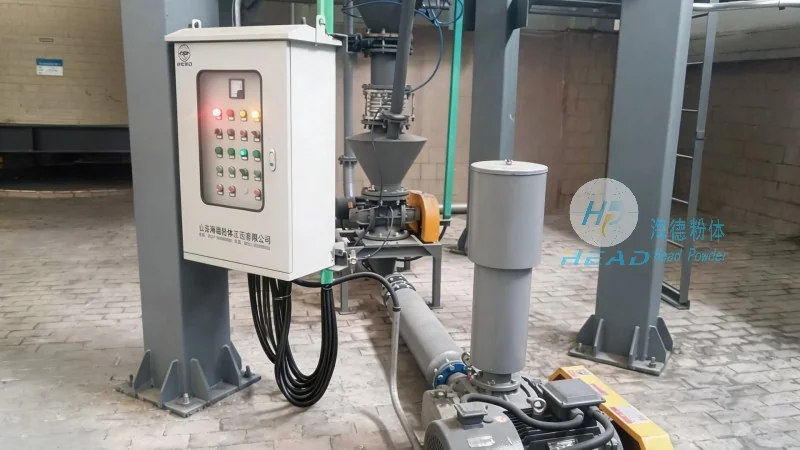
2. Pneumatic Conveying: Pneumatic systems use compressed air to transport quicklime through a network of pipes. The material is suspended in the air stream and carried to the destination. This method is ideal for dust-free transport over longer distances and is commonly used in applications where hygiene and minimal material loss are critical.
3. Electromagnetic or Vibratory Conveyors: Some systems use electromagnetic or vibratory mechanisms to move the material. These systems are particularly effective for handling dry, free-flowing materials like quicklime, as they reduce friction and prevent material degradation.
Advantages of HeadPowder's Quicklime Conveying Solutions
HeadPowder's quicklime material conveying systems offer several advantages that make them suitable for diverse industrial applications:
1. Efficiency and Reliability: The systems are designed for high throughput and minimal downtime, ensuring consistent material supply to processing units.
2. Customization: HeadPowder tailors solutions to meet specific customer requirements, including material type, flow rate, and environmental conditions.
3. Energy Efficiency: Advanced control systems optimize energy consumption, reducing operational costs while maintaining performance.
4. Safety and Compliance: The systems incorporate safety features and comply with industry standards, ensuring safe operation and regulatory adherence.
Conclusion
HeadPowder's quicklime material conveying systems are engineered to deliver reliable, efficient, and safe transport of quicklime in industrial applications. By understanding the operation process and working principles, industries can optimize their material handling processes, reduce costs, and enhance overall productivity. With a strong presence in Shandong, China, HeadPowder continues to provide innovative solutions for the material conveying needs of modern industries.