

Operation Process and Working Principle of Fly Ash Material Conveying Purification
Understanding the operation process and working principle of fly ash material conveying purification is crucial for optimizing industrial material handling systems, particularly in power plants and other facilities that generate large volumes of fly ash. This article provides a detailed overview of the key components, processes, and operational aspects involved in effectively conveying and purifying fly ash, ensuring efficient material transport while maintaining environmental standards. The expertise of companies like Shandong HeadPowder Engineering Co., Ltd. (headpowder) is vital in designing and implementing such systems, as they specialize in industrial material handling solutions tailored to the unique challenges of fly ash management.
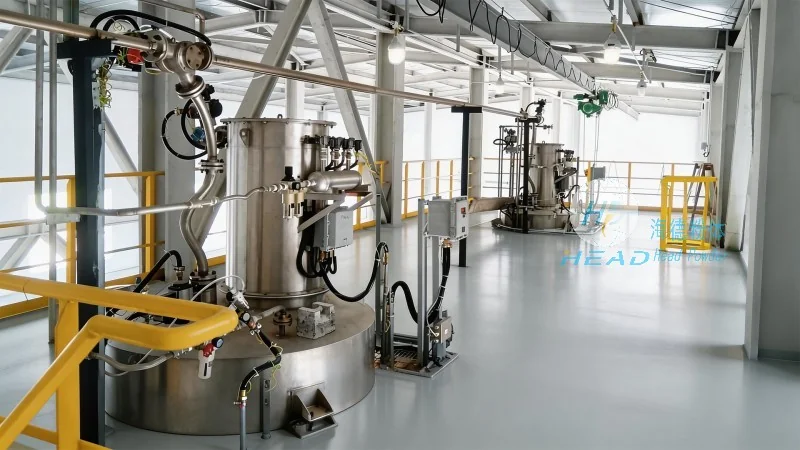
Introduction to Fly Ash Material Conveying Purification
Fly ash, a byproduct of coal combustion in thermal power plants, requires specialized handling and purification systems to manage its transport from the boiler to storage or disposal sites. The process of conveying fly ash involves several stages, each designed to ensure the material is moved safely, efficiently, and with minimal environmental impact. The working principle of these systems combines mechanical and pneumatic technologies to achieve optimal performance in various operational conditions.
Key Components of Fly Ash Conveying Systems
The core components of a fly ash material conveying purification system typically include ash hoppers, feeders, conveyor lines (either pneumatic or mechanical), dust collection units, and control systems. Each component plays a critical role in the overall operation. Ash hoppers are used to collect fly ash from the boiler, providing a buffer to regulate the flow of material. Feeders, such as rotary or vibratory types, ensure a consistent and controlled discharge of ash into the conveyor system. The conveyor lines, which can be pneumatic (using air pressure to transport material) or mechanical (using belts or screws), are designed to handle the abrasive and fine nature of fly ash. Dust collection units are essential for capturing and filtering particulate matter, preventing air pollution and ensuring compliance with environmental regulations. Control systems monitor and regulate the entire process, adjusting parameters like pressure, flow rate, and speed to maintain optimal performance.
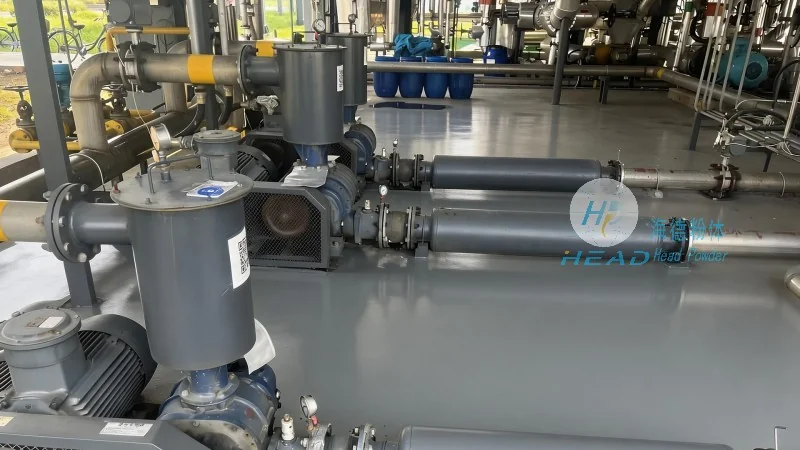
Operation Process of Fly Ash Material Conveying
The operation process of fly ash material conveying purification begins with the collection of fly ash from the boiler's bottom ash hopper. The ash is then transferred to a storage silo or directly to the conveying system. In the case of pneumatic conveying, the fly ash is fed into a hopper and then introduced into a pipeline where it is transported by high-pressure air. The air pressure creates a flow that moves the ash through the system, while the pipeline design minimizes friction and ensures efficient transport. Mechanical conveying systems, such as screw conveyors or belt conveyors, use rotating components to move the ash along the conveyor path. These systems are often preferred for longer distances or when the ash contains larger particles. Throughout the process, the system continuously monitors the flow rate and pressure to maintain consistent performance. The purified fly ash is then directed to its final destination, such as a storage silo or a disposal site, where it can be used in construction materials or disposed of safely.
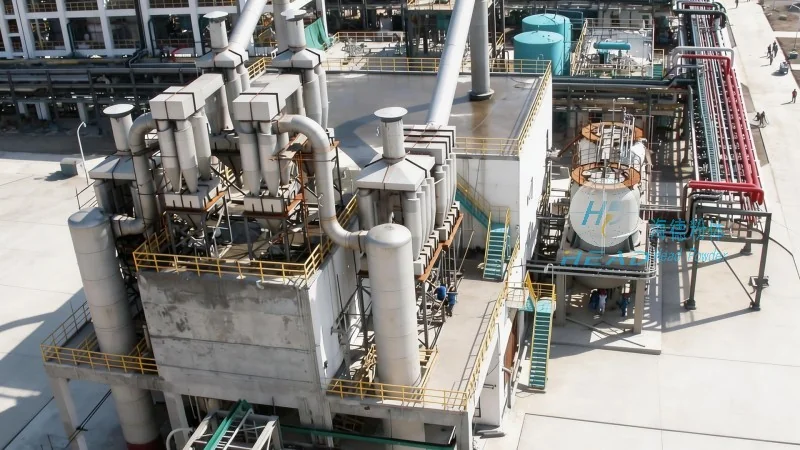
Working Principle of Fly Ash Conveying Purification
The working principle of fly ash material conveying purification is based on the principles of fluid dynamics and material handling. In pneumatic systems, the air pressure creates a flow that entrains the fly ash particles, allowing them to be transported through the pipeline. The design of the pipeline, including bends and fittings, is optimized to minimize pressure loss and maintain the velocity of the air-fuel mixture. Dust collection units use filters or cyclones to separate the fly ash from the air, ensuring that only clean air is released into the environment. Mechanical systems rely on the mechanical action of rotating components to move the ash along the conveyor. The speed and torque of the motor are adjusted to handle the varying density and moisture content of the fly ash. The control system plays a vital role in regulating these parameters, ensuring that the system operates within safe and efficient limits. The combination of these principles allows for the effective and safe conveyance of fly ash, reducing the risk of dust emissions and improving overall operational efficiency.
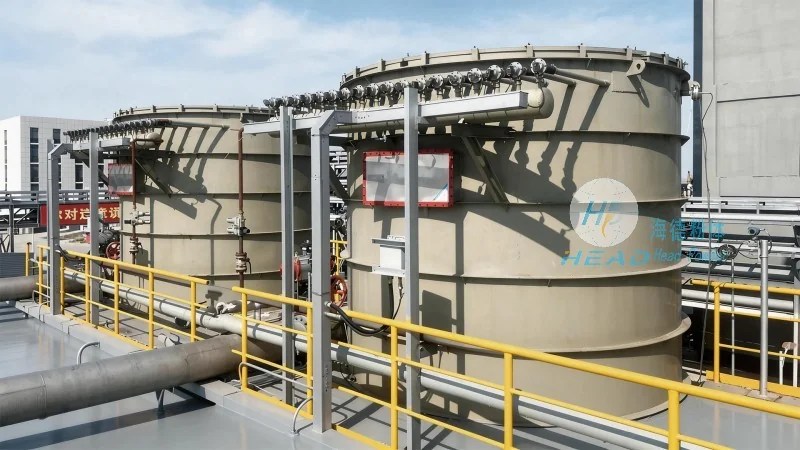
Benefits of Effective Fly Ash Conveying Purification
Implementing an effective fly ash material conveying purification system offers several benefits for industrial facilities. Firstly, it enhances operational efficiency by ensuring the consistent and reliable transport of fly ash, reducing downtime and maintenance costs. Secondly, it improves environmental compliance by minimizing dust emissions and controlling air pollution. This is particularly important as regulations become stricter regarding industrial emissions. Thirdly, it enables the reuse of fly ash in construction materials, such as concrete and brick, reducing the need for virgin materials and contributing to sustainable practices. Finally, the system improves worker safety by reducing exposure to airborne particulates and minimizing the risk of accidents during material handling.
Conclusion
In conclusion, the operation process and working principle of fly ash material conveying purification are critical components of modern industrial material handling systems. By understanding the key components, operation process, and working principles, facilities can optimize their systems to achieve efficient, safe, and environmentally responsible fly ash transport. The implementation of advanced technologies and proper maintenance ensures that these systems operate at peak performance, contributing to the overall success and sustainability of industrial operations. As the demand for efficient material handling solutions continues to grow, the importance of effective fly ash conveying purification systems will only increase, making them essential for facilities looking to maintain compliance and improve operational efficiency.