

Operation Process and Working Principle of Glass Fiber Cellulose Material Conveying
For industries dealing with glass fiber cellulose materials, efficient and reliable material conveying systems are crucial for maintaining production efficiency and product quality. The operation process and working principle of such systems are designed to handle the unique properties of glass fiber cellulose, ensuring smooth and safe material transport from one processing stage to another.
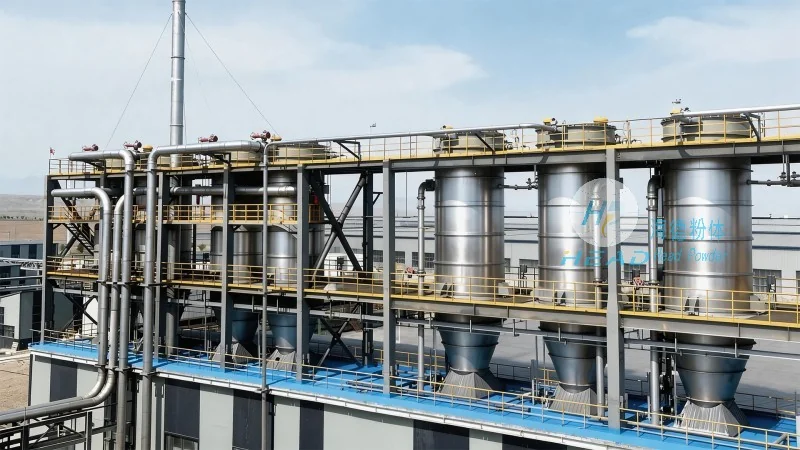
Company Introduction: HeadPowder
HeadPowder, formally known as Shandong HeadPowder Engineering Co., Ltd., is a leading provider of specialized material handling solutions in China. With a focus on innovation and customer-centric design, HeadPowder has established itself as a trusted partner for businesses seeking advanced conveying technologies for glass fiber cellulose and other similar materials. The company’s headquarters is located in Shandong, China, where it leverages local expertise and resources to develop cutting-edge solutions tailored to the needs of the industry.
Understanding the Operation Process of Glass Fiber Cellulose Material Conveying
The operation process of glass fiber cellulose material conveying typically involves several key stages, each designed to optimize the handling of this delicate material. The first stage often begins with material feeding, where the glass fiber cellulose is introduced into the system, either from a storage hopper or a raw material bin. This initial step requires careful control to prevent material degradation or contamination, as glass fiber cellulose is sensitive to moisture and physical damage.
Once the material is fed into the system, it moves into the primary conveying section. This section may utilize various technologies such as screw conveyors, belt conveyors, or pneumatic systems, depending on the specific requirements of the application. For glass fiber cellulose, screw conveyors are commonly used due to their ability to handle fibrous materials without causing excessive friction or breakage. The screw design, with its helical flights, ensures that the material is moved forward in a controlled manner, minimizing the risk of material buildup or clogging.
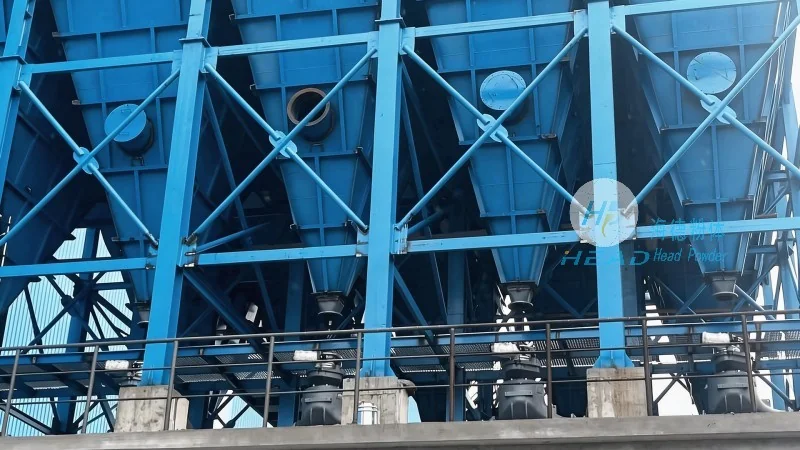
Following the primary conveying stage, the material may undergo a series of processing steps, such as drying, mixing, or blending. These steps are integrated into the conveying system to streamline production and reduce the need for separate processing equipment. For example, a drying conveyor may be incorporated to remove moisture from the glass fiber cellulose, improving its flow characteristics and reducing the risk of caking. The integration of these processes within the conveying system enhances overall efficiency and reduces operational costs.
The final stage of the operation process involves material discharge and collection. The glass fiber cellulose is discharged from the conveying system into a designated storage or processing container. This stage requires precise control to ensure that the material is delivered to the correct location without spillage or loss. The discharge mechanism may include adjustable chutes, gates, or rotary valves, allowing for flexible and controlled material release.
Working Principle of Glass Fiber Cellulose Material Conveying Systems
The working principle of glass fiber cellulose material conveying systems is based on the application of mechanical force to move the material through a defined path. The core components of these systems include feeders, conveyors, and control systems, all working in tandem to achieve efficient material transport. The feeders are responsible for introducing the material into the system at a consistent rate, ensuring that the conveyor operates at optimal capacity without overloading or underloading.
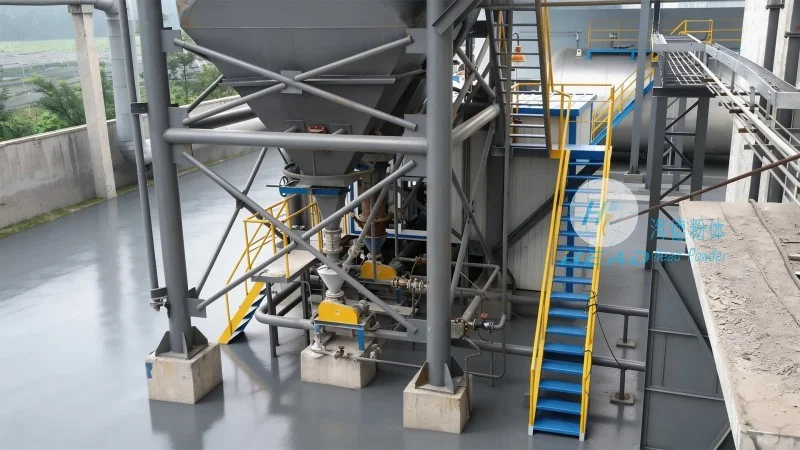
The conveyors, which may be screw, belt, or pneumatic, use different mechanisms to move the material. Screw conveyors, for instance, utilize rotating screws to push the material forward, leveraging the friction between the screw flights and the material to achieve movement. This method is particularly effective for fibrous materials like glass fiber cellulose, as it minimizes the risk of material breakage and maintains the integrity of the fibers. Belt conveyors, on the other hand, use a continuous belt to transport the material, suitable for lighter loads and longer distances. Pneumatic systems employ air pressure to move the material through a pipeline, ideal for applications requiring dust-free or low-temperature transport.
The control systems in these conveying systems play a critical role in maintaining operational efficiency. These systems monitor various parameters such as material flow rate, conveyor speed, and system pressure, adjusting them as needed to ensure smooth operation. Sensors and feedback mechanisms are integrated into the system to detect any abnormalities, such as clogging or blockages, and trigger appropriate responses to prevent system downtime. This level of automation enhances reliability and reduces the need for manual intervention, improving overall productivity.
In addition to the mechanical components, the working principle also involves the management of material properties. Glass fiber cellulose has specific characteristics, such as high tensile strength and low bulk density, which must be considered in the design of the conveying system. The system is engineered to handle these properties, ensuring that the material is transported without damage and maintaining its quality for subsequent processing steps. This involves careful selection of materials for the conveyor components, such as corrosion-resistant metals or specialized plastics, to withstand the abrasive nature of glass fiber cellulose.
Key Advantages of HeadPowder's Glass Fiber Cellulose Conveying Solutions
HeadPowder’s glass fiber cellulose material conveying solutions offer several advantages that make them ideal for industrial applications. The systems are designed to handle the unique challenges of glass fiber cellulose, including its fibrous nature and sensitivity to moisture. By incorporating advanced materials and engineering, HeadPowder ensures that the conveying systems are durable, efficient, and reliable. The company’s expertise in material handling technology allows it to provide customized solutions that meet the specific needs of each client, whether it’s for small-scale production or large industrial operations.
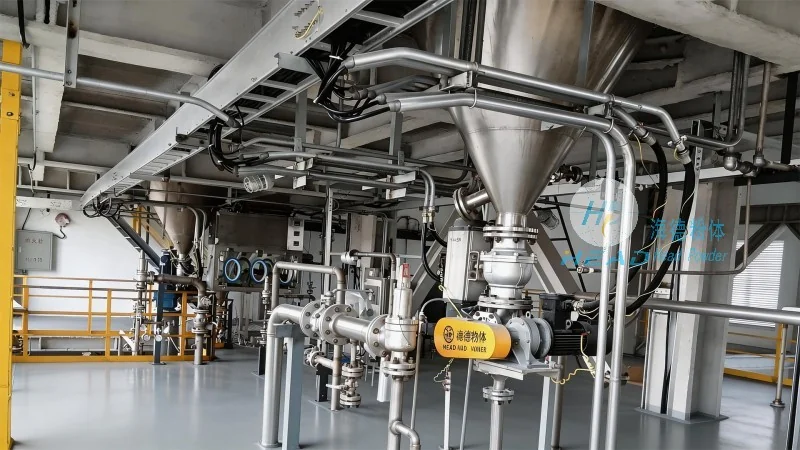
One of the key advantages of HeadPowder’s solutions is their ability to minimize material loss and contamination. The design of the conveying system, including sealed components and controlled feeding mechanisms, reduces the risk of material spillage and exposure to contaminants. This is particularly important for glass fiber cellulose, which is often used in applications where purity is critical, such as in the production of composites or insulation materials. The systems also help maintain the material’s quality by preventing excessive friction or heat generation, which could degrade the fibers.
Another advantage is the enhanced operational efficiency achieved through integrated processing steps. By combining material conveying with drying, mixing, or blending, HeadPowder’s systems reduce the need for separate equipment and streamline production workflows. This leads to lower operational costs and increased productivity, as fewer steps are required to process the glass fiber cellulose. The automation and control features of the systems further contribute to efficiency, reducing the need for manual labor and minimizing the risk of human error.
HeadPowder also emphasizes sustainability and environmental responsibility in its conveying solutions. The systems are designed to minimize energy consumption and reduce waste, aligning with the growing demand for eco-friendly industrial practices. By using energy-efficient components and optimizing material flow, HeadPowder’s solutions help clients reduce their carbon footprint while maintaining high performance standards.