

Operation Process and Working Principle of Sulfate Nickel Crystallization Material Conveying
Shandong HeadPowder Engineering Co., Ltd. specializes in the design, manufacturing, and installation of advanced conveying systems tailored for the handling of sulfate nickel crystallization materials. These systems are engineered to meet the stringent requirements of industrial applications, ensuring efficient and reliable material transport from processing to storage or further processing stages. The company's expertise lies in integrating robust mechanical components with intelligent control systems to optimize the performance of conveying operations in the nickel sulfate industry.
Key Components of the Conveying System
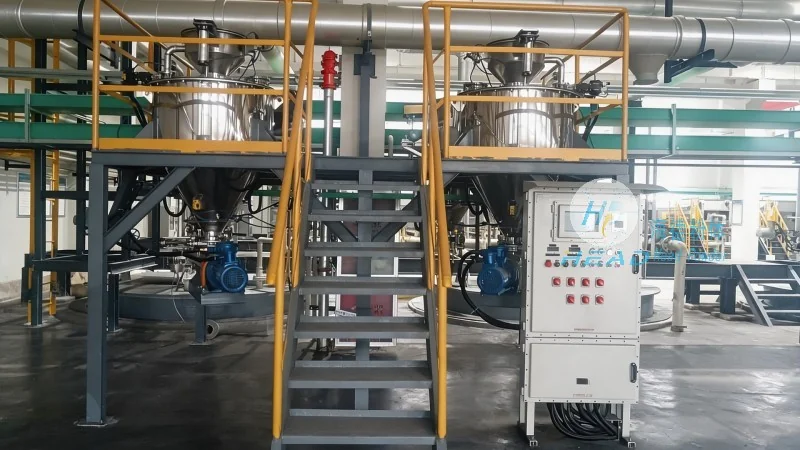
The sulfate nickel crystallization material conveying system typically consists of several critical components that work in harmony to facilitate smooth material movement. These include feed hoppers, which are designed to evenly distribute the crystallized material into the conveying path, ensuring consistent flow rates. The core of the system is the conveyor itself, which may utilize screw conveyors, belt conveyors, or pneumatic systems depending on the material characteristics and operational needs. For sulfate nickel, which can be hygroscopic and prone to bridging, the choice of conveyor type is crucial to prevent blockages and maintain continuous operation. Additionally, the system incorporates material flow control devices such as gates, valves, and level sensors to regulate the feed rate and monitor the material level in the hopper and conveyor. These components are constructed from corrosion-resistant materials, such as stainless steel, to withstand the chemical properties of nickel sulfate and extend the service life of the equipment.
Operation Process of the Conveying System
The operation of the sulfate nickel crystallization material conveying system follows a systematic process that begins with material loading into the feed hopper. The hopper is equipped with a feeding mechanism, such as a rotary valve or a screw feeder, which gradually releases the crystallized material into the conveyor. The conveyor then transports the material through a series of sections, including horizontal and inclined segments, to the discharge point. During the conveying process, the system may include intermediate storage bins or surge hoppers to buffer the material flow and prevent overloading of downstream equipment. The material is then discharged into a storage silo or directly to the next processing unit, such as a drying or packaging system. The entire operation is monitored by a control panel that displays real-time data on flow rates, pressure, and material levels, allowing operators to adjust the system parameters as needed to maintain optimal performance. The system is designed to operate continuously, with minimal downtime for maintenance, ensuring high productivity in industrial settings.
Working Principle of the Conveying System
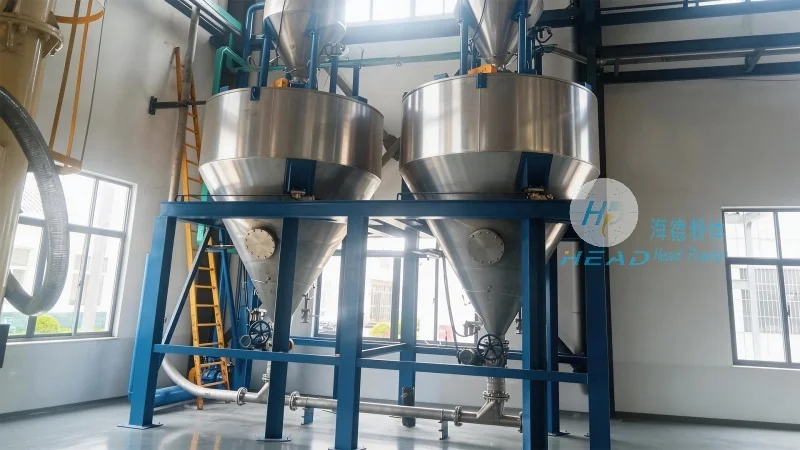
The working principle of the sulfate nickel crystallization material conveying system is based on mechanical energy transfer to move the material from the source to the destination. For screw conveyors, which are commonly used in this application, the rotating screw (or auger) creates a helical path that pushes the material forward. The pitch and diameter of the screw are carefully selected to match the material's bulk density and flow characteristics, ensuring efficient transport without excessive friction or wear. Belt conveyors, on the other hand, utilize a continuous belt that moves over rollers, with the material placed on the belt and carried along by its motion. The speed of the belt and the angle of inclination are adjusted to control the material's velocity and prevent slippage. Pneumatic conveying systems, which use air pressure to transport the material in a closed pipeline, are also employed for certain applications where the material is fine or requires dust control. The working principle of these systems involves creating a pressure differential that propels the material through the pipeline, with the air flow rate optimized to maintain consistent particle movement. In all cases, the system's design incorporates features to handle the specific properties of sulfate nickel, such as its tendency to clump or adhere to surfaces, by using smooth, non-stick surfaces and appropriate lubrication or cleaning mechanisms.
Advantages of the Conveying System
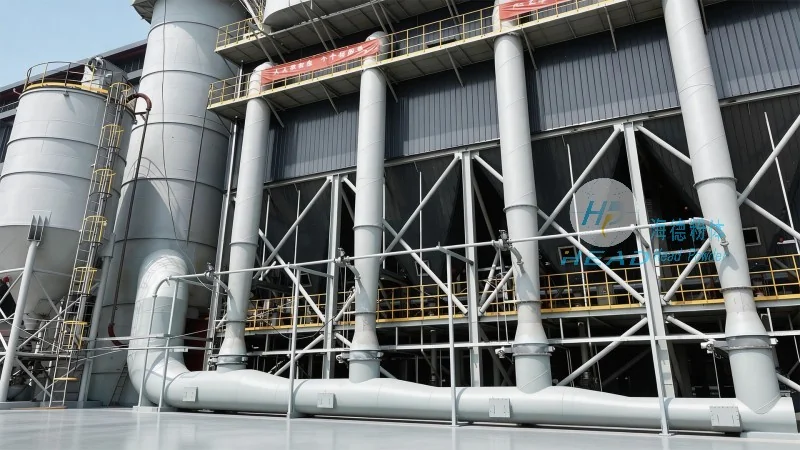
The sulfate nickel crystallization material conveying system offers several advantages that enhance operational efficiency and product quality. One of the primary benefits is the ability to maintain a consistent material flow rate, which is critical for downstream processes that require uniform input. The system's design minimizes material degradation, such as breakage or dust generation, by using gentle handling methods and enclosed conveying paths. This helps preserve the crystalline structure of the nickel sulfate, which is essential for its intended applications, such as battery production or chemical synthesis. Additionally, the system is equipped with safety features, including emergency stop buttons and overload protection, to prevent accidents and ensure compliance with industrial safety standards. The use of corrosion-resistant materials and regular maintenance schedules extends the system's lifespan, reducing long-term operational costs. The system's modularity allows for easy integration with existing production lines, making it a cost-effective solution for upgrading or expanding conveying capabilities in nickel sulfate processing facilities.
Application in Industrial Settings
The sulfate nickel crystallization material conveying system is widely used in various industrial applications within the nickel and battery industries. In battery manufacturing, the system efficiently transports the crystallized nickel sulfate from the crystallization tanks to the drying and mixing units, ensuring a steady supply of raw material for electrode production. In chemical processing plants, the system aids in the transfer of nickel sulfate to storage tanks or reaction vessels, facilitating the subsequent chemical reactions and purification steps. The system's adaptability allows it to be customized for different production scales, from small-scale laboratory operations to large-scale industrial plants. Shandong HeadPowder Engineering Co., Ltd. provides tailored solutions that meet the specific needs of each client, ensuring that the conveying system integrates seamlessly with their existing infrastructure and operational requirements. The company's commitment to quality and innovation has made their conveying systems a trusted choice for businesses seeking reliable and efficient material handling solutions in the nickel sulfate sector.