

Operation Process and Working Principle of Intelligent Weighing Material Handling System
Intelligent weighing material handling systems represent a sophisticated integration of advanced technology and industrial automation, designed to enhance efficiency, accuracy, and safety in material handling operations. These systems are engineered to manage the flow of materials, monitor weight, and control the movement of goods within various industrial settings. The core functionality revolves around real-time data acquisition, automated control, and intelligent decision-making, ensuring optimal performance in production and logistics processes.
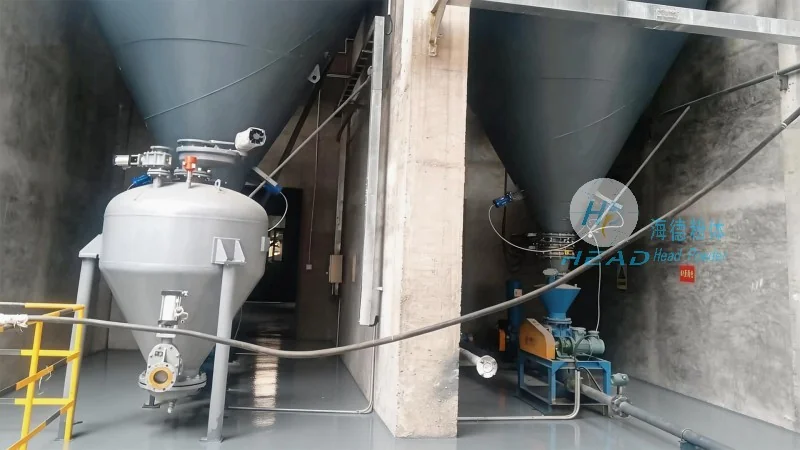
Company Overview: Shandong HeadPowder Engineering Co., Ltd.
As a leading provider in the field, Shandong HeadPowder Engineering Co., Ltd. specializes in the design, development, and implementation of intelligent material handling solutions. With a strong commitment to innovation and customer satisfaction, the company has established itself as a trusted partner for businesses seeking to upgrade their material handling infrastructure. HeadPowder's expertise lies in tailoring systems to meet specific operational requirements, ensuring that clients achieve enhanced productivity and cost-effectiveness.
Key Components and Structure of the System
The intelligent weighing material handling system typically comprises several critical components that work in concert to achieve its objectives. These include weighing scales, conveyor systems, control panels, sensors, and a central processing unit (CPU). The weighing scales are strategically placed at key points in the material flow to capture accurate weight data. Conveyor systems facilitate the movement of materials between different stages of the process, while sensors provide additional feedback on position, speed, and environmental conditions. The control panel serves as the user interface, allowing operators to monitor and adjust system parameters. The central processing unit integrates all data, processes it, and executes control commands to regulate the operation of the entire system.
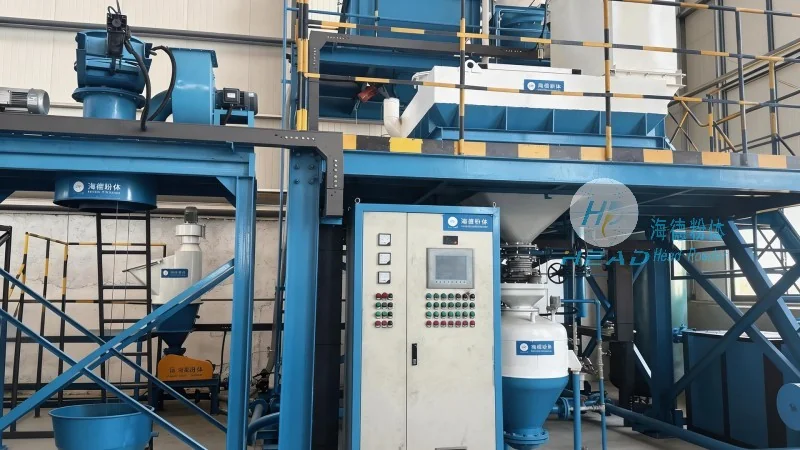
Operation Process: Step-by-Step Workflow
The operation of the intelligent weighing material handling system follows a systematic workflow that ensures smooth and efficient material handling. The process begins with the loading of materials onto the conveyor system. As materials move along the conveyor, they pass through the weighing scales, which capture the weight data in real-time. This data is then transmitted to the central processing unit, which analyzes the weight information and compares it against predefined parameters or targets. If the weight meets the specified criteria, the system proceeds to the next stage; otherwise, it triggers an alert or corrective action. The conveyor system continues to transport the materials to subsequent processing or storage areas. The control panel allows operators to monitor the entire process, adjust settings as needed, and review historical data for performance analysis. This step-by-step approach ensures that each material is handled with precision and that any deviations are promptly addressed.
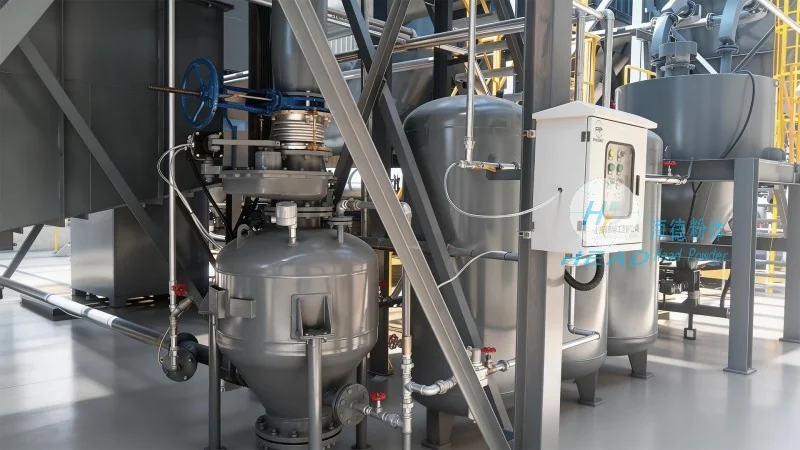
Working Principle: How the System Achieves Precision and Efficiency
The working principle of the intelligent weighing material handling system is based on a combination of mechanical, electrical, and software components that work together to achieve high accuracy and operational efficiency. The weighing scales utilize load cells to convert the weight of the material into an electrical signal. This signal is then amplified and processed by the control unit, which converts it into a digital value. The system's software algorithms process this digital data, performing calculations to determine the exact weight and potentially other parameters such as volume or density. The central processing unit compares the calculated weight with the target weight, and if there is a discrepancy, it initiates corrective actions, such as adjusting the flow rate or stopping the conveyor. The system also incorporates feedback mechanisms, such as sensors that detect the presence or absence of materials, ensuring that only valid weight data is processed. This integrated approach ensures that the system operates with minimal human intervention while maintaining high levels of accuracy and reliability.
Advantages and Applications in Industrial Settings
Intelligent weighing material handling systems offer numerous advantages in industrial applications, including improved accuracy, increased productivity, reduced labor costs, and enhanced safety. These systems are particularly beneficial in industries such as manufacturing, warehousing, and logistics, where precise material handling is critical. For example, in a manufacturing plant, the system can ensure that raw materials are delivered in the correct quantities, preventing over or under-production. In a warehouse, it can optimize inventory management by accurately weighing and tracking goods. The system's ability to integrate with other industrial automation systems further enhances its utility, allowing for seamless coordination between different processes. Additionally, the real-time monitoring capabilities enable quick response to any issues, minimizing downtime and maximizing operational efficiency.