

Operation Process and Working Principle of High-Speed Material Loading Conveying Systems
High-speed material loading conveying systems represent a critical component in modern industrial operations, designed to enhance efficiency and streamline material handling processes. These systems are engineered to deliver rapid and reliable transportation of bulk materials from storage or processing areas to production lines. The operation of such systems is characterized by precision, speed, and adaptability, making them indispensable in sectors ranging from manufacturing to logistics. By integrating advanced mechanical and control technologies, these systems ensure minimal downtime and optimal performance under varying operational conditions. Shandong HeadPowder Engineering Co., Ltd., a leading manufacturer based in China, specializes in developing and supplying high-quality high-speed material loading conveying systems that meet the diverse needs of industrial clients.
Key Components and Their Functions
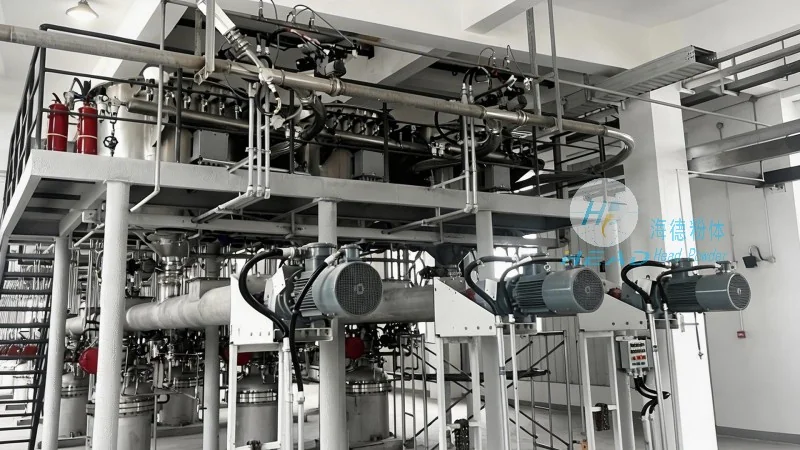
The high-speed material loading conveying system typically comprises several core components, each playing a vital role in the overall functionality. The primary components include feeders, conveyors, control panels, and material handling accessories. Feeders are responsible for uniformly distributing materials into the system, ensuring a consistent flow rate. Conveyors, often utilizing belt or chain mechanisms, transport the materials through the system with high speed and accuracy. Control panels manage the system's operations, allowing for real-time monitoring and adjustment of speed, direction, and material quantity. Material handling accessories, such as hoppers and chutes, facilitate the transfer of materials between different stages of the process, ensuring smooth transitions and preventing blockages.
Operation Process of the System
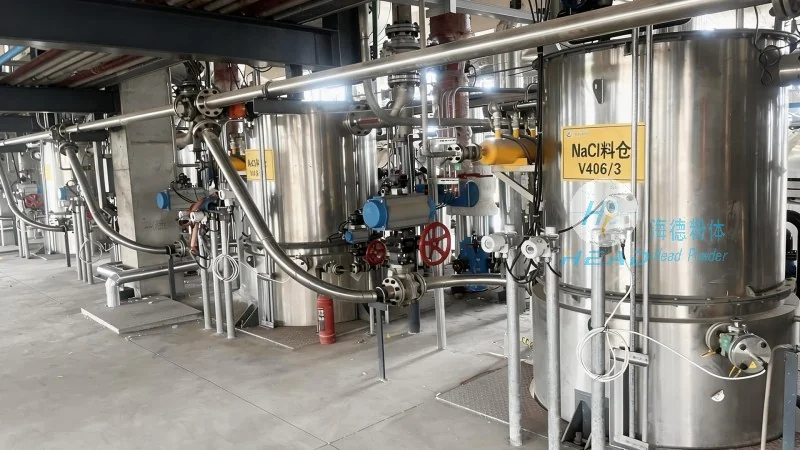
The operation process of a high-speed material loading conveying system begins with the material being fed into the system. The feeder evenly distributes the material, which then moves onto the conveyor. The conveyor transports the material at a high speed to the designated location, such as a production line or storage area. The control panel continuously monitors the system's performance, adjusting parameters as needed to maintain optimal operation. The system is designed to operate in a continuous cycle, ensuring a steady supply of materials without interruptions. This process is highly automated, reducing the need for manual intervention and minimizing the risk of human error.
Working Principle of the System
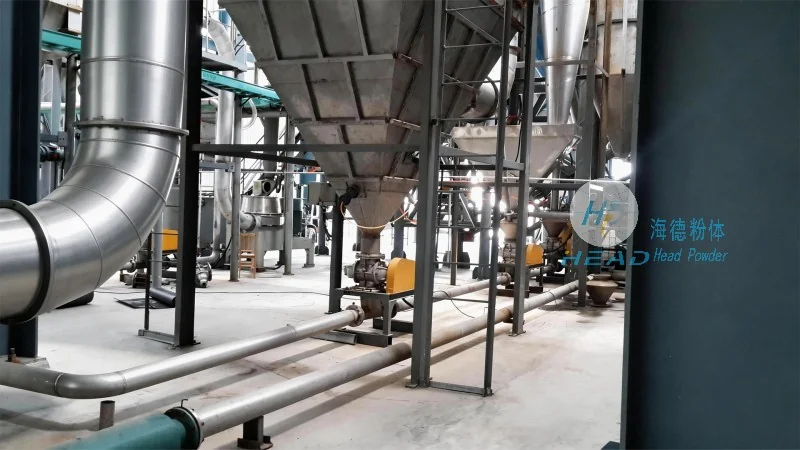
The working principle of the high-speed material loading conveying system is based on mechanical and electrical integration. The system uses motor-driven conveyors to move materials through a series of connected components. Sensors and control systems provide real-time feedback on the material flow, enabling adjustments to maintain consistent performance. The system's design emphasizes energy efficiency and durability, with components constructed from high-quality materials to withstand heavy usage. The control panel uses programmable logic controllers (PLCs) to manage the system's operations, allowing for customization based on specific production requirements. This integration of technology ensures that the system operates reliably and efficiently, meeting the demands of modern industrial applications.
Benefits and Applications
High-speed material loading conveying systems offer numerous benefits to industrial operations. These systems significantly improve production efficiency by reducing material handling time and increasing throughput. They also enhance safety by minimizing manual handling of materials, reducing the risk of accidents and injuries. The systems are highly adaptable, capable of handling a wide range of materials, including powders, granules, and bulk solids. They are widely used in industries such as pharmaceuticals, food processing, and chemical manufacturing, where precise and rapid material handling is essential. The systems also contribute to cost savings by reducing labor costs and minimizing material waste through efficient processing.
Conclusion
In conclusion, high-speed material loading conveying systems are advanced solutions designed to optimize material handling processes in industrial settings. By combining precision engineering with intelligent control systems, these systems ensure rapid, reliable, and efficient transportation of materials. The operation process involves coordinated actions of feeders, conveyors, and control panels, while the working principle relies on mechanical and electrical integration. The benefits of these systems include improved efficiency, enhanced safety, and cost savings, making them a valuable asset for modern industries. As technology continues to advance, these systems will likely evolve to meet the growing demands of industrial applications, further enhancing their role in material handling operations.