

Operation Process and Working Principle of Ship Loading and Unloading Material Handling Systems
Ship loading and unloading material handling systems are critical components in modern maritime logistics, designed to efficiently transfer bulk materials between vessels and shore facilities. These systems are essential for optimizing port operations, reducing turnaround times, and enhancing overall operational efficiency. The technology behind these systems has evolved significantly over the years, incorporating advanced engineering principles and automation to meet the demands of high-volume cargo handling. This article provides a detailed overview of the operation process and working principles of such systems, highlighting key components, operational sequences, and the technical aspects that contribute to their effectiveness.

Key Components of the Material Handling System
The ship loading and unloading material handling system typically consists of several interrelated components that work in concert to facilitate material transfer. These components include the ship's cargo hold or hopper, the shore-side loading/unloading equipment (such as cranes or conveyor systems), and the intermediate conveying mechanisms. The cargo hold is where the bulk material is stored on the vessel, while the shore-side equipment is responsible for receiving or dispatching the material. Intermediate conveying systems, such as belt conveyors or pneumatic conveyors, are used to transport the material between the ship and the shore. The system may also include storage silos or hoppers on the shore to buffer the material before further processing or distribution. Each component plays a crucial role in ensuring the smooth and continuous operation of the entire system.
Operation Process: Step-by-Step Overview
The operation of a ship loading or unloading process follows a systematic sequence of steps, each designed to maximize efficiency and safety. The process typically begins with the preparation phase, where the ship and shore facilities are prepared for the operation. This includes checking the cargo hold for any obstructions, ensuring the conveyor systems are properly aligned, and verifying that all safety protocols are in place. Once the preparation is complete, the actual loading or unloading operation commences. For loading operations, the shore-side conveyor system receives the material from storage silos or other sources and transports it to the ship's cargo hold. The conveyor system may use a series of belts or buckets to move the material, depending on the type of cargo. The material is then deposited into the cargo hold, often using a hopper or chute system that directs the material into the correct position. For unloading operations, the process is reversed: the material is extracted from the ship's cargo hold and transported to the shore-side storage facilities using the conveyor system. The operation continues until the cargo is fully loaded or unloaded, with regular monitoring to ensure the system is operating within specified parameters. Throughout the process, operators monitor key indicators such as conveyor speed, material flow rate, and system pressure to detect any anomalies and take corrective action as needed.

Working Principle: Mechanical and Control Systems
The working principle of the ship loading and unloading material handling system is based on mechanical and control systems that coordinate the movement of materials and equipment. The mechanical components include the conveyor belts, rollers, and drive mechanisms that move the material from one location to another. The control systems, often integrated with sensors and automation technology, regulate the speed and direction of the conveyor, ensuring precise control over the material flow. For example, in a belt conveyor system, the drive motor controls the speed of the belt, while sensors detect the position of the material and adjust the conveyor speed accordingly. This feedback mechanism helps maintain a consistent flow rate and prevents overloading or underloading of the system. The control systems may also include safety features such as emergency stop buttons and overload protection, which are activated if the system detects an abnormal condition. Additionally, the system may incorporate automation features such as programmable logic controllers (PLCs) that can adjust the operation based on real-time data, such as the cargo volume or the status of the ship's hold. This integration of mechanical and control systems allows for a highly efficient and reliable operation, minimizing downtime and maximizing productivity.
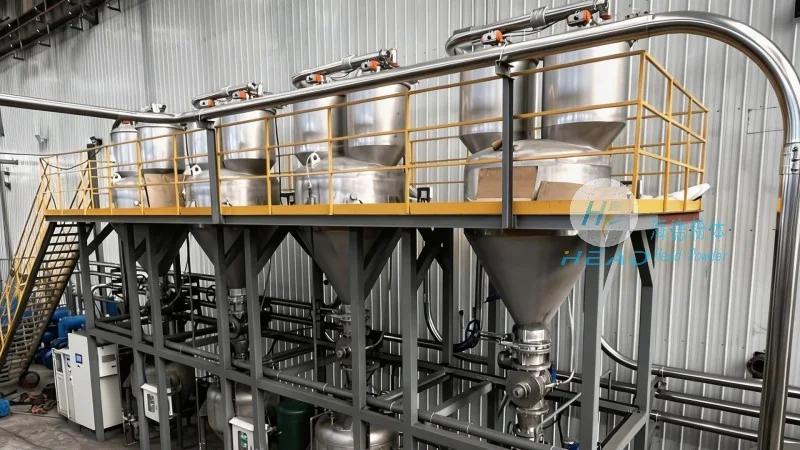
Technical Specifications and Performance Metrics
The performance of a ship loading and unloading material handling system is typically evaluated based on several technical specifications and performance metrics. These metrics include the system's capacity, which is measured in terms of the volume or weight of material that can be handled per hour. The capacity is determined by factors such as the conveyor speed, the width of the belt, and the number of conveyors in the system. The system's efficiency is also measured by its throughput, which is the actual amount of material processed over a given period. Other performance metrics include the system's reliability, measured by the number of operational hours per year, and its energy consumption, which is an important factor in cost and environmental considerations. The technical specifications of the system may also include the maximum height or distance the material can be lifted or transported, the material handling capacity of the ship's cargo hold, and the compatibility with different types of cargo, such as grains, ores, or coal. These specifications are crucial for selecting the appropriate system for a specific port operation and ensuring that it meets the operational requirements of the facility.
Applications and Industry Standards
Ship loading and unloading material handling systems are widely used in various industries, including agriculture, mining, and energy. They are particularly important in ports that handle bulk cargo, such as grain terminals, coal ports, and ore loading facilities. The systems are designed to handle a wide range of materials, from fine powders to large lumps, and can be customized to meet the specific needs of different applications. Industry standards, such as those set by the International Organization for Standardization (ISO) and the American Society of Mechanical Engineers (ASME), provide guidelines for the design, installation, and operation of these systems. These standards ensure that the systems are safe, reliable, and efficient, and that they comply with regulatory requirements. Compliance with these standards is essential for maintaining the integrity of the system and ensuring the safety of personnel and equipment. Additionally, the systems are often subject to regular maintenance and inspection to ensure that they continue to operate within the specified performance parameters. This maintenance includes routine checks of the conveyor belts, drive mechanisms, and control systems, as well as more extensive repairs or replacements as needed.