

Operation Process and Working Principle of Talc Powder Material Handling Systems
Shandong HeadPowder Engineering Co., Ltd. specializes in the design, manufacturing, and integration of advanced material handling systems tailored for talc powder processing. This article provides a detailed overview of the operation process and working principles of a typical talc powder material handling system, highlighting the key components, operational workflow, and technical mechanisms that ensure efficient and reliable material transport. The system is engineered to meet the specific demands of talc powder, which is characterized by its fine particle size, low bulk density, and tendency to create dust during handling. By understanding the system's operation and principles, users can appreciate how such systems enhance productivity, maintain material integrity, and ensure safe handling in industrial applications.
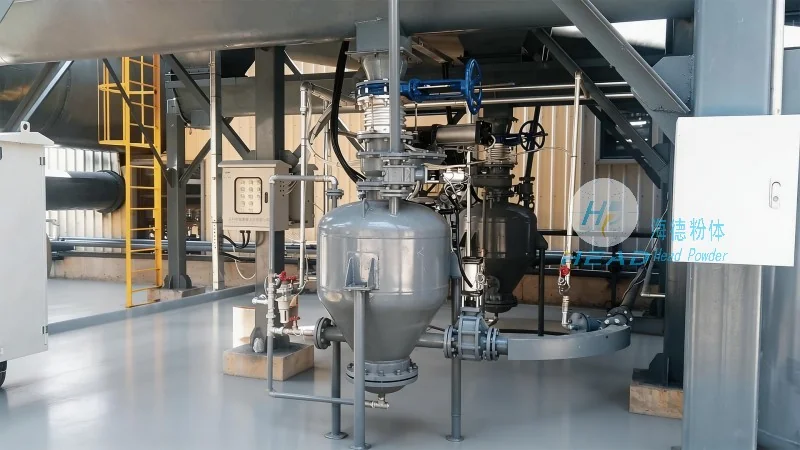
System Overview and Key Components
The talc powder material handling system typically consists of several interconnected components that work in harmony to achieve seamless material transport. The primary components include a feeding hopper, a conveyor system (such as a belt conveyor or screw conveyor), a dust collection system, a control panel, and a discharge mechanism. Each component plays a critical role in the overall functionality of the system. The feeding hopper is designed to store and regulate the flow of talc powder, ensuring a consistent feed rate to the conveyor. It often features a sloped bottom to facilitate material discharge and may include a level sensor to monitor the material level. The conveyor system is the core of the material transport, responsible for moving the talc powder from the feeding point to the discharge point. For talc powder, a belt conveyor is commonly used due to its ability to handle fine powders without causing excessive wear or blockages. The belt is typically made of a non-stick material, such as food-grade rubber or a specialized polymer, to prevent talc powder from adhering to the surface. A screw conveyor is an alternative option, particularly for vertical or inclined transport, as it can handle fine powders with minimal dust generation. The dust collection system is essential for maintaining a clean and safe working environment. It includes a filter or baghouse that captures airborne talc powder particles, preventing them from being released into the atmosphere. The control panel houses the system's control logic, which may include sensors, relays, and a programmable logic controller (PLC) to monitor and regulate the operation. The discharge mechanism, such as a rotary valve or a gate valve, controls the release of talc powder from the conveyor to the next processing stage or storage area.
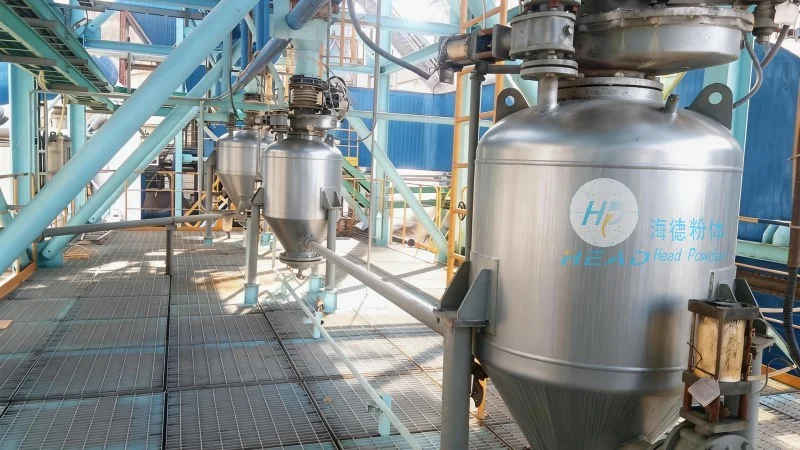
Operation Process: Step-by-Step Workflow
The operation of the talc powder material handling system follows a systematic workflow that ensures efficient material transport. The process begins with the loading of talc powder into the feeding hopper. The material level is monitored by a sensor, which triggers the start of the conveyor system once the hopper reaches a certain level. As the talc powder flows from the hopper into the conveyor, the belt or screw transports the material forward. The speed of the conveyor is controlled by the PLC to maintain a consistent flow rate, preventing overloading or underloading. During transport, the system may include a vibration or agitation mechanism to prevent material bridging or caking, which is common in fine powders like talc. The material then reaches the discharge point, where a rotary valve or gate valve regulates the flow to the next stage. The dust collection system continuously operates, capturing any airborne particles that may be generated during the feeding or transport process. The control panel monitors all parameters, such as material level, conveyor speed, and dust levels, and adjusts the system as needed to maintain optimal performance. The entire process is automated, reducing the need for manual intervention and minimizing the risk of human error. The system can be programmed to operate continuously or in batch mode, depending on the production requirements. The operation process is designed to be flexible, allowing for adjustments in feed rate, conveyor speed, and discharge settings to accommodate varying production volumes or material characteristics.
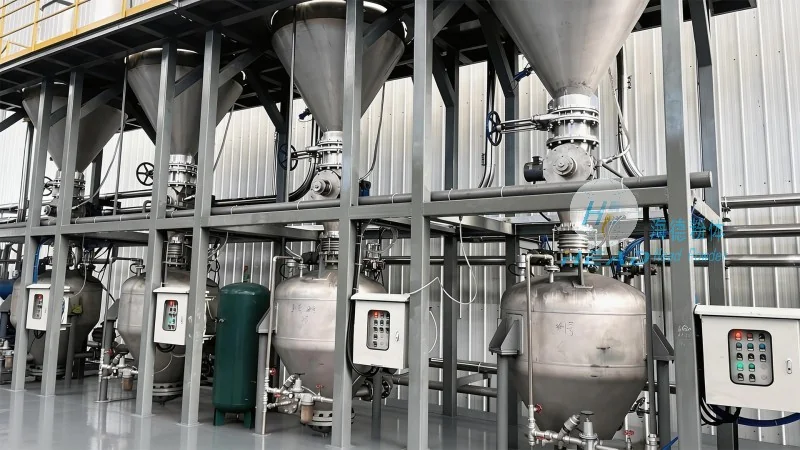
Working Principle: Technical Mechanisms and Control Logic
The working principle of the talc powder material handling system is based on the integration of mechanical, pneumatic, and electronic components that work together to achieve precise material transport. The mechanical components, such as the conveyor belt or screw, rely on motor-driven systems to generate the necessary force to move the talc powder. The motor is connected to the conveyor via a gearbox or direct drive, which adjusts the speed and torque to match the material's properties. For talc powder, which has a low bulk density, the conveyor speed is optimized to prevent material degradation or segregation. The control logic, typically implemented using a PLC, processes input signals from sensors (e.g., level sensors, speed sensors, and dust sensors) and outputs control signals to actuators (e.g., conveyor motors, valves, and fans). The PLC follows a pre-programmed sequence of operations, ensuring that each step of the process is executed in the correct order. For example, when the material level in the hopper reaches a threshold, the PLC signals the conveyor motor to start. Once the material reaches the discharge point, the PLC may trigger the rotary valve to open, allowing the material to flow to the next stage. The dust collection system operates independently, using a fan to draw air through the filter, which captures the talc powder particles. The collected powder is then discharged into a collection bin. The control panel provides real-time monitoring of all system parameters, allowing operators to detect and address any issues promptly. The system's working principle emphasizes safety and efficiency, with features such as emergency stop buttons, overload protection, and automatic shutdown in case of abnormal conditions. The integration of these components ensures that the talc powder is handled with minimal loss, maximum purity, and optimal throughput, making the system suitable for various industrial applications, including pharmaceuticals, cosmetics, and ceramics.
Benefits and Applications of Talc Powder Material Handling Systems
The talc powder material handling system offers several key benefits that make it an essential component in talc processing facilities. First, it enhances productivity by automating the material transport process, reducing labor costs and increasing throughput. The system's design minimizes downtime by incorporating features such as vibration or agitation mechanisms to prevent material bridging, ensuring continuous operation. Second, it maintains material integrity by using non-stick conveyor surfaces and dust collection systems that prevent contamination and loss of product. Talc powder is sensitive to moisture and contamination, and the system's design helps preserve its quality and purity. Third, it ensures safety by controlling dust generation and providing a clean working environment. The dust collection system captures airborne particles, reducing the risk of respiratory issues and fire hazards associated with fine powders. Fourth, it offers flexibility in operation, allowing adjustments to feed rate, conveyor speed, and discharge settings to accommodate varying production requirements. This adaptability makes the system suitable for different talc grades and processing stages. The applications of such systems are widespread, including the pharmaceutical industry, where talc is used as a filler or excipient in drug formulations. In cosmetics, talc is used in powders and creams, requiring precise handling to maintain its quality. In ceramics, talc is used as a raw material in the production of porcelain and other ceramic products, where consistent material transport is crucial for product uniformity. The system's reliability and efficiency make it a critical asset for any talc processing operation, contributing to overall operational excellence and cost-effectiveness.
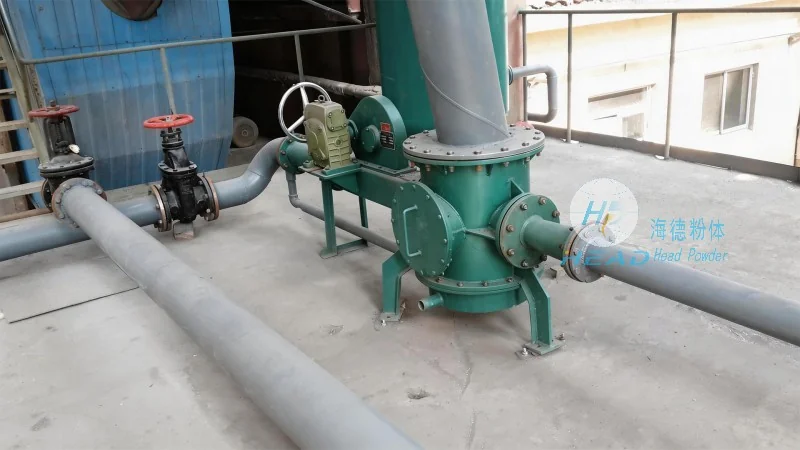
Conclusion: The Importance of Efficient Material Handling in Talc Processing
In conclusion, the operation process and working principles of a talc powder material handling system are integral to the success of talc processing operations. The system's design, which includes a feeding hopper, conveyor, dust collection, and control panel, ensures efficient and reliable material transport. The step-by-step workflow and technical mechanisms work together to maintain material integrity, enhance productivity, and ensure safety. The benefits of such systems, including increased throughput, reduced labor costs, and improved product quality, make them indispensable in the talc industry. As the demand for talc powder continues to grow in various industries, the importance of efficient material handling systems becomes even more critical. Shandong HeadPowder Engineering Co., Ltd. specializes in providing tailored material handling solutions that meet the specific needs of talc processing facilities, ensuring that operations run smoothly and efficiently. By understanding the operation and principles of these systems, users can make informed decisions about their material handling infrastructure, ultimately contributing to the success of their talc processing operations.