

Operation Process and Working Principle of Vehicle-Mounted Material Handling Equipment
Vehicle-mounted material handling equipment, as a specialized type of machinery, plays a crucial role in modern logistics and material transport operations. This equipment is designed to be mounted on vehicles, enabling efficient and flexible material movement in various industrial and construction settings. The design and functionality of such equipment are tailored to meet the demands of dynamic work environments, ensuring reliability and productivity in material handling tasks.
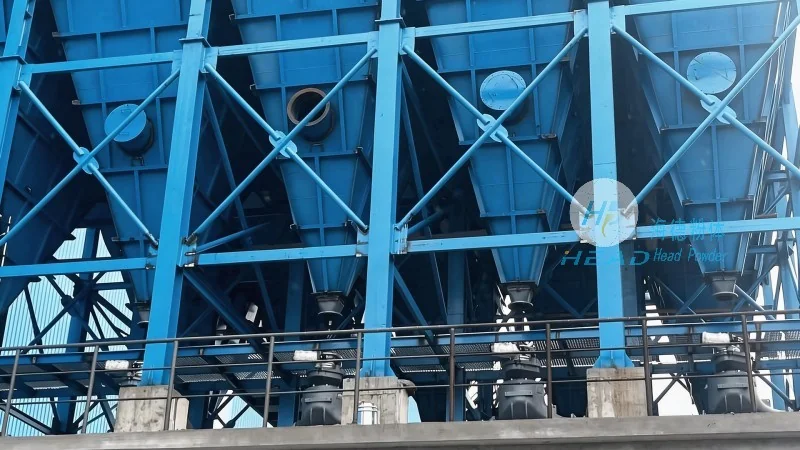
Key Components and Structure of the Equipment
The vehicle-mounted material handling equipment from Shandong HeadPowder Engineering Co., Ltd. typically consists of several core components that work in harmony to facilitate material transport. These components include a robust frame, a lifting mechanism, a control system, and a power source. The frame provides structural integrity, while the lifting mechanism (such as hydraulic or electric systems) enables the lifting and lowering of the material handling device. The control system allows operators to manage the equipment's functions with precision, ensuring safe and efficient operation. The power source, often integrated with the vehicle's engine or an independent power unit, supplies the necessary energy for all operational processes.
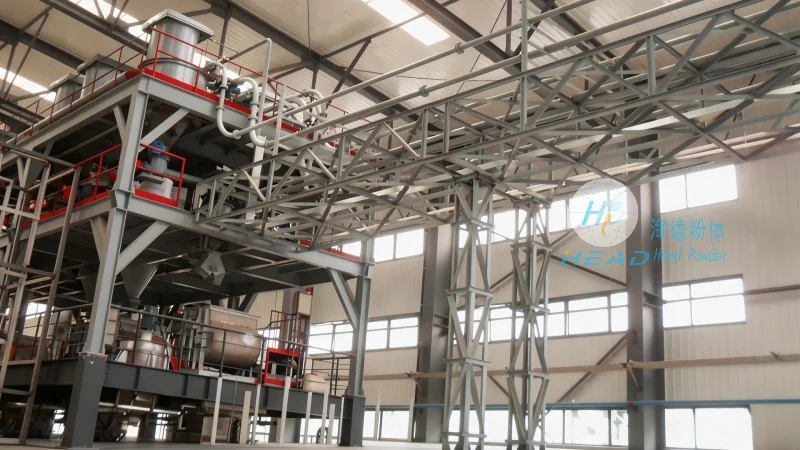
Working Principle of the Equipment
The working principle of vehicle-mounted material handling equipment involves a series of coordinated actions to move materials from one location to another. The process begins with the operator positioning the vehicle at the material source. Using the control system, the operator activates the lifting mechanism, which raises the handling device to grasp or lift the material. Once the material is secured, the operator can then move the vehicle to the desired destination. The lifting mechanism then lowers the material, allowing it to be placed at the new location. This cycle repeats as needed, enabling continuous material transport. The equipment's design ensures that each step is executed smoothly, minimizing downtime and maximizing operational efficiency.
Operation Process: Step-by-Step Execution
The operation process of the vehicle-mounted material handling equipment follows a systematic sequence to ensure safe and effective material handling. First, the operator inspects the equipment and the material to be handled, checking for any potential hazards or issues. Next, the vehicle is positioned at the material source, ensuring stability and proper alignment. The lifting mechanism is then engaged to lift the material, with the operator carefully monitoring the load to prevent overloading or instability. Once the material is securely lifted, the vehicle is driven to the destination, maintaining a controlled speed and following safety protocols. At the destination, the lifting mechanism lowers the material, and the operator ensures it is placed correctly. Finally, the equipment is prepared for the next cycle, with any necessary adjustments made to the control system or lifting mechanism. This step-by-step process ensures consistency and reliability in material handling operations.
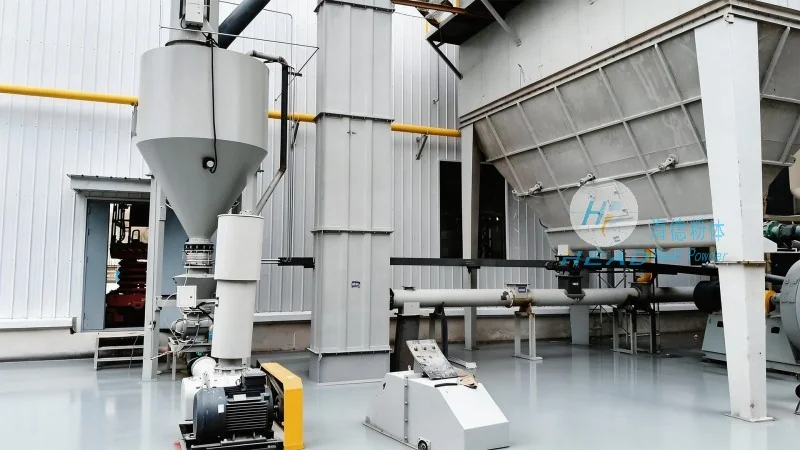
Advantages and Applications
Vehicle-mounted material handling equipment offers several advantages in various applications. Its mobility allows it to access areas that are difficult to reach with fixed equipment, making it ideal for construction sites, warehouses, and industrial facilities. The equipment's versatility enables it to handle a wide range of materials, from bulk materials to palletized goods. Additionally, the integration with the vehicle's power source reduces the need for external power sources, enhancing operational flexibility. Shandong HeadPowder Engineering Co., Ltd. has developed this equipment to meet the specific needs of different industries, providing customized solutions that enhance productivity and safety.