

Operation Process and Working Principle of Activated Carbon Material Conveying Equipment
Activated carbon material conveying equipment is a critical component in industrial processes, particularly in facilities that handle activated carbon, a widely used adsorbent material. This equipment is designed to efficiently transport activated carbon from storage areas to processing units, ensuring smooth workflow and optimal operational efficiency. The design and functionality of such equipment are tailored to meet the specific demands of activated carbon handling, which often involves handling fine powders or granules that require gentle yet effective transport methods.
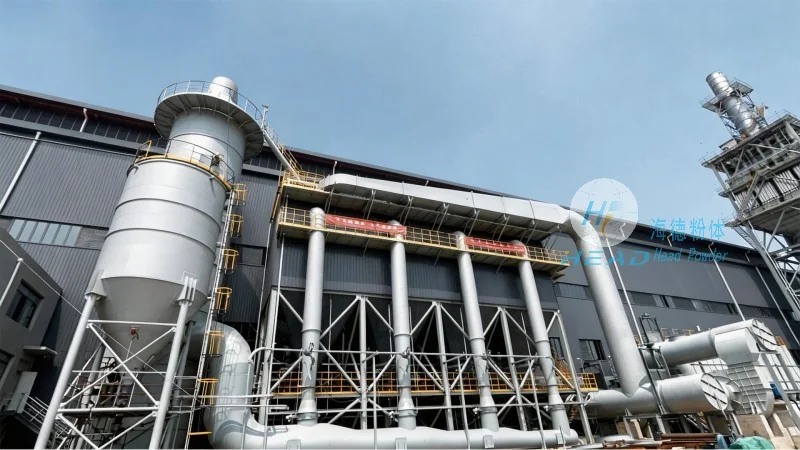
Key Components and Structure of the Conveying System
The activated carbon material conveying equipment typically consists of several key components that work in tandem to achieve reliable material transport. These components include a hopper for material storage, a conveyor mechanism (such as a screw conveyor, pneumatic conveyor, or belt conveyor), and control systems for regulating the flow of material. The hopper is usually equipped with a feeding mechanism to ensure consistent material supply, while the conveyor system is engineered to handle the physical properties of activated carbon, such as its particle size and moisture content. The control systems may include sensors and automation features to monitor and adjust the conveying process in real-time, enhancing operational stability and reducing downtime.
Operation Process of the Conveying Equipment
The operation process of activated carbon material conveying equipment begins with the loading of activated carbon into the hopper. The material is then fed into the conveyor system, which transports it to the processing unit or storage location. For screw conveyors, the material is moved by rotating screws that push the carbon forward. Pneumatic conveyors use air pressure to transport the material through a pipeline, while belt conveyors rely on moving belts to carry the material. The process is typically automated, with the control system adjusting the speed and flow rate based on the demand from downstream processes. This ensures that the activated carbon is delivered in a controlled manner, preventing overloading or underloading of the conveyor and maintaining consistent material flow.
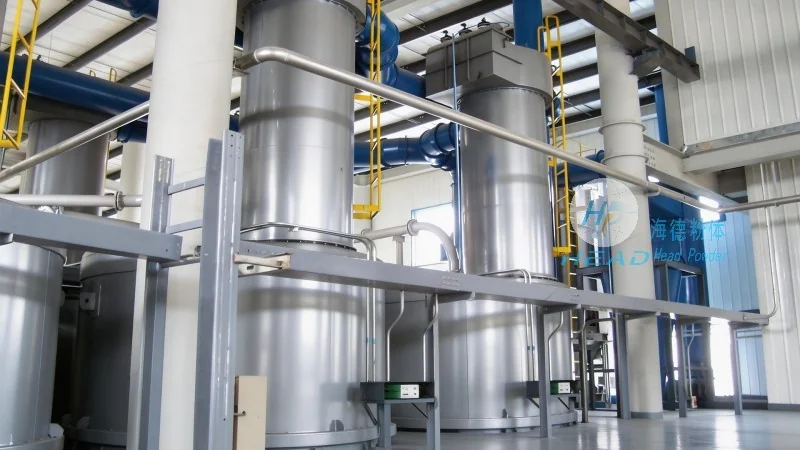
Working Principle of the Conveying Equipment
The working principle of activated carbon material conveying equipment is based on mechanical or pneumatic forces that move the material from the source to the destination. In mechanical conveyors, such as screw or belt conveyors, the motion is generated by rotating parts that physically push or pull the material. The screw conveyor, for example, uses a helical screw to move the material forward, while the belt conveyor uses a moving belt that carries the material along its path. Pneumatic conveyors, on the other hand, utilize compressed air to create a flow of material through a pipeline. The air pressure creates a suction effect that draws the activated carbon into the pipeline and transports it to the desired location. The working principle is designed to minimize material degradation, such as breakage or agglomeration, which is crucial for maintaining the quality of activated carbon as an adsorbent.
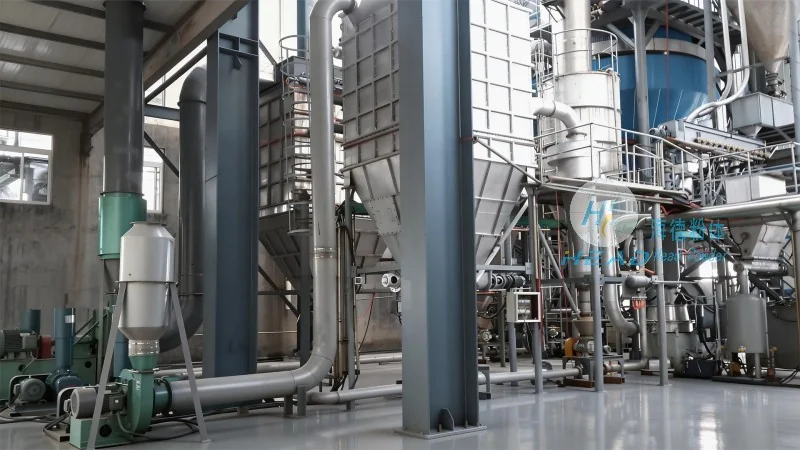
Advantages of Using Activated Carbon Material Conveying Equipment
Implementing activated carbon material conveying equipment offers several advantages for industrial operations. Firstly, it enhances operational efficiency by ensuring a continuous and consistent supply of activated carbon to processing units, reducing downtime caused by material shortages or bottlenecks. Secondly, the equipment is designed to handle the delicate nature of activated carbon, preventing damage to the material that could affect its adsorption properties. This is particularly important in applications where the quality of activated carbon is critical, such as in water treatment or air purification systems. Additionally, the automated control systems allow for precise regulation of the conveying process, enabling operators to adjust the flow rate based on real-time demands, which optimizes resource utilization and reduces waste. The equipment also contributes to improved workplace safety by minimizing manual handling of activated carbon, reducing the risk of dust exposure and other health hazards.
About Shandong HeadPowder Engineering Co., Ltd.
Shandong HeadPowder Engineering Co., Ltd., commonly known as headpowder, is a leading manufacturer of activated carbon material conveying equipment and related industrial solutions. With a strong focus on innovation and quality, the company has established itself as a trusted partner in the industry, providing customized equipment tailored to the specific needs of its clients. HeadPowder's facilities are located in Shandong, China, where the company leverages advanced manufacturing technologies and experienced engineering teams to develop and produce high-performance conveying systems. The company's commitment to customer satisfaction and product excellence has earned it a reputation for reliability and durability, making it a preferred choice for industries that rely on efficient activated carbon handling. HeadPowder continues to invest in research and development to enhance the performance of its conveying equipment, ensuring that it meets the evolving demands of modern industrial applications.