

Operation Process and Working Principle of Corn Kernels Material Handling Equipment
Shandong HeadPowder Engineering Co., Ltd., headquartered in Shandong, China, is a leading manufacturer of specialized material handling equipment. The company focuses on developing innovative solutions for the agricultural and food processing industries, with a particular emphasis on equipment designed for efficient corn kernels handling. The corn kernels material handling equipment is a key product in their portfolio, engineered to meet the demands of modern industrial operations by ensuring reliable and efficient transport of corn kernels.
Working Principle of the Material Handling Equipment
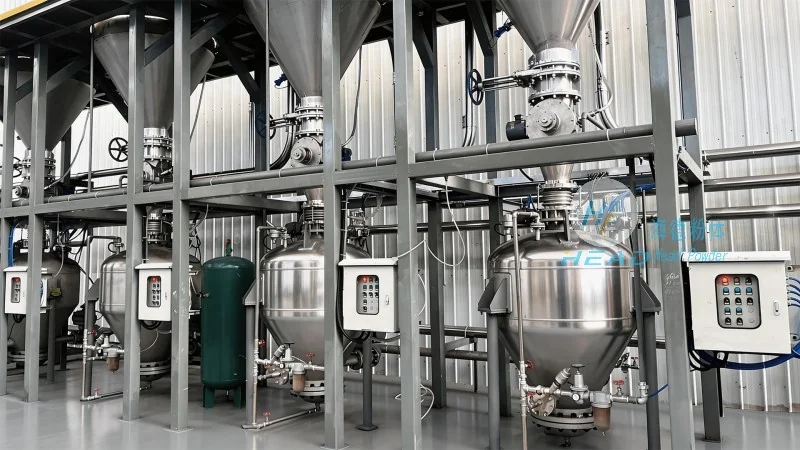
The corn kernels material handling equipment operates on a mechanical and electrical system that ensures smooth and continuous material flow. At its core, the system combines a motor-driven conveyor with a hopper and control mechanisms to facilitate the movement of corn kernels. The electric motor, connected to a gearbox, provides the necessary power to drive the conveyor belt. The conveyor belt, typically made of durable rubber or plastic, moves the kernels along the designated path. The hopper serves as the initial storage unit, where corn kernels are loaded and held before being transferred to the conveyor. A feeding mechanism, such as a rotary valve or screw conveyor, regulates the flow of kernels from the hopper into the conveyor, ensuring a consistent and controlled input. The control panel monitors key parameters like motor speed, belt tension, and material level, allowing operators to adjust settings in real-time to optimize performance and prevent issues like clogging or uneven flow.
Key Components and Their Functions
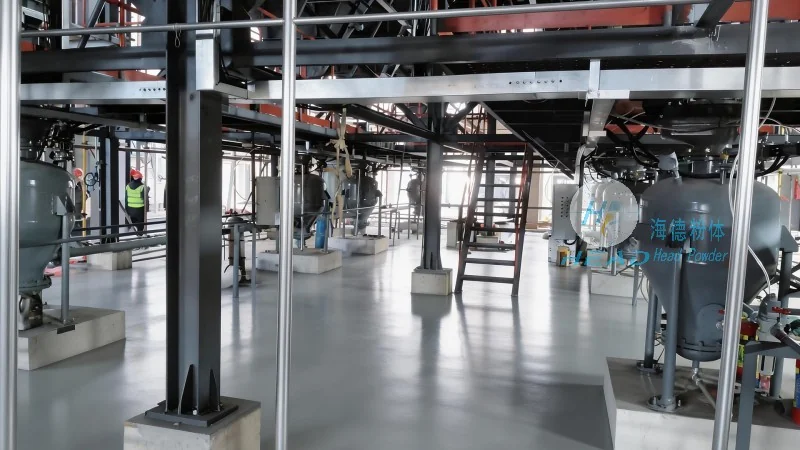
The corn kernels material handling equipment consists of several critical components, each designed to perform a specific function in the overall operation. The hopper is a large, sloped container that stores the corn kernels and facilitates their natural flow into the conveyor system. It is equipped with a discharge opening at the bottom, connected to the conveyor belt. The conveyor belt is the primary transport mechanism, moving the kernels along the path. The belt is supported by a series of rollers that maintain tension and ensure smooth movement. The motor and gearbox form the power unit, converting electrical energy into mechanical energy to drive the conveyor. The control panel includes sensors and indicators that provide feedback on the equipment's status, enabling operators to monitor and adjust settings as needed. Additionally, safety features such as emergency stop buttons and overload protection are integrated to prevent accidents and ensure safe operation.
Operation Process: From Loading to Discharge
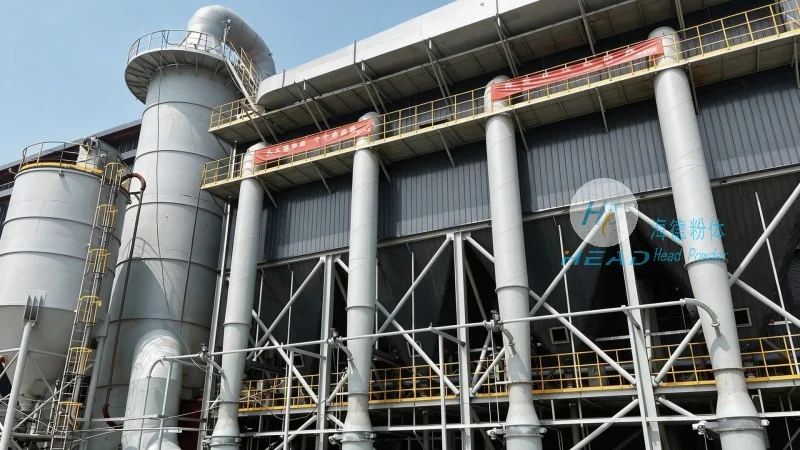
The operation process of the corn kernels material handling equipment begins with the loading of corn kernels into the hopper. The hopper is filled with the kernels, and the feeding mechanism starts, allowing the kernels to flow into the conveyor belt. Once the kernels are on the belt, the conveyor system activates, moving them along the designated path to the discharge point. The speed of the conveyor can be adjusted based on the required throughput, allowing for flexibility in handling different production volumes. The kernels are evenly distributed across the belt to prevent clogging and ensure consistent flow. As the kernels move through the system, they are transported to the next processing stage or the final discharge location. The control panel allows operators to monitor the material level in the hopper and adjust the feeding rate to maintain optimal operation. The equipment is designed to handle varying loads and particle sizes, making it suitable for different processing requirements.
Advantages and Applications
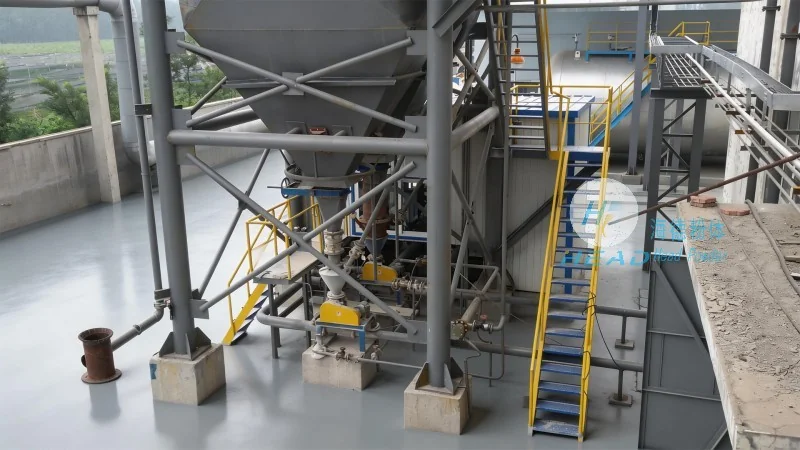
The corn kernels material handling equipment offers several advantages that make it an essential component for industrial operations. Its efficient design minimizes material loss and reduces downtime, leading to increased productivity and lower operational costs. The equipment is also built for durability and easy maintenance, with accessible components that can be serviced quickly. This reduces maintenance time and costs, ensuring the equipment remains operational for extended periods. In terms of applications, this equipment is widely used in feed mills, where it helps in the efficient transport of corn kernels for animal feed production. It is also utilized in food processing plants for the preparation of corn-based products, such as corn flour, corn starch, and other food ingredients. The versatility of the equipment allows it to adapt to different processing needs, making it a valuable asset for any industrial operation that requires reliable material handling solutions. By ensuring consistent and efficient transport of corn kernels, the equipment contributes to higher quality output and improved overall operational efficiency.