

Operation Process and Working Principle of Cement Dry Ash Material Handling Equipment
HeadPowder, a leading provider in the field of material handling solutions, specializes in the design, manufacturing, and installation of advanced equipment for transporting cement dry ash. Based in Shandong, China, the company has established itself as a trusted partner for industries requiring efficient and reliable dry ash material handling systems. This article delves into the operation process and working principle of cement dry ash material handling equipment, offering a comprehensive understanding of how these systems function to meet industrial demands.
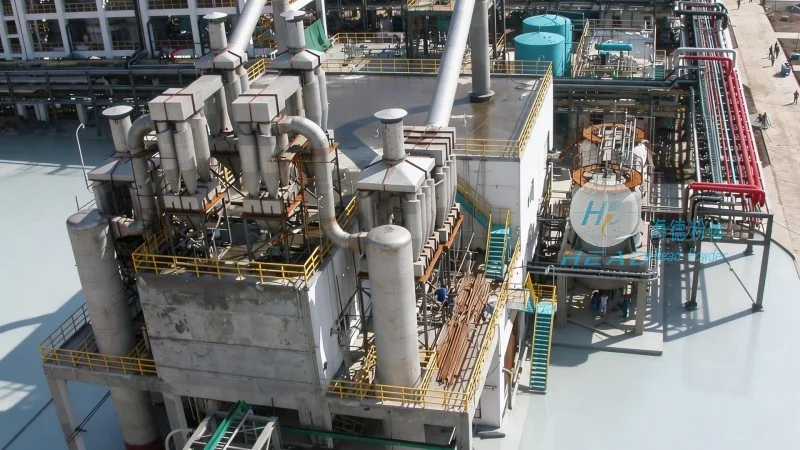
Overview of Cement Dry Ash Material Handling Equipment
Cement dry ash material handling equipment is engineered to transport dry cement ash, a byproduct commonly generated in cement production processes, from one location to another with precision and efficiency. The equipment typically consists of components such as feeders, conveyors, and control systems, all integrated to ensure seamless material flow. The design focuses on minimizing material degradation, maintaining consistent flow rates, and ensuring operational safety, making it an essential asset for cement plants and related industrial facilities.
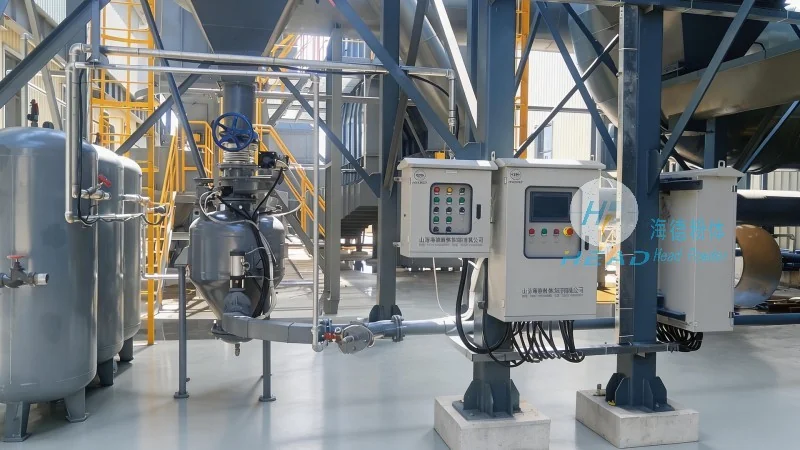
The Operation Process of Cement Dry Ash Material Handling Equipment
The operation process of cement dry ash material handling equipment involves several key steps that ensure the smooth and continuous transport of dry ash. Initially, the dry ash is fed into the system through a hopper or feeder, where it is evenly distributed to prevent blockages and ensure uniform flow. The feeder then regulates the material flow rate, which is crucial for maintaining consistent performance and preventing overloading of downstream components. Following the feeder, the material is transferred to the conveyor system, which may include screw conveyors, belt conveyors, or pneumatic conveyors, depending on the specific application and material characteristics. The conveyor system moves the dry ash through the pipeline or along the conveyor path to the discharge point. At the discharge end, the material is released into a storage silo or directly to the processing unit, completing the transport cycle. Throughout the operation, the control system monitors parameters such as flow rate, pressure, and temperature, adjusting the equipment as needed to maintain optimal performance. This systematic approach ensures that the dry ash is transported safely and efficiently, minimizing downtime and maximizing productivity.
The Working Principle of Cement Dry Ash Material Handling Equipment
The working principle of cement dry ash material handling equipment is based on mechanical or pneumatic forces that facilitate the movement of dry material. For mechanical systems, such as screw conveyors or belt conveyors, the principle involves the use of rotating components or moving belts to push or pull the material along the conveyor path. The screw conveyor, for instance, uses a rotating screw to transport the dry ash, while the belt conveyor relies on a moving belt that carries the material. These mechanical systems are suitable for handling dry, free-flowing materials and are known for their reliability and low maintenance requirements. For pneumatic systems, the working principle involves the use of compressed air to create a flow of air that carries the dry ash through the pipeline. The dry ash is suspended in the air stream and transported to the discharge point. Pneumatic systems are particularly effective for handling fine or dusty materials and can achieve high transport speeds, though they require more energy and careful maintenance to prevent clogging. The choice of system depends on factors such as material characteristics, distance to be transported, and environmental considerations. In both cases, the equipment is designed to handle the specific properties of cement dry ash, including its density, moisture content, and particle size, ensuring that the material is transported without degradation or loss.
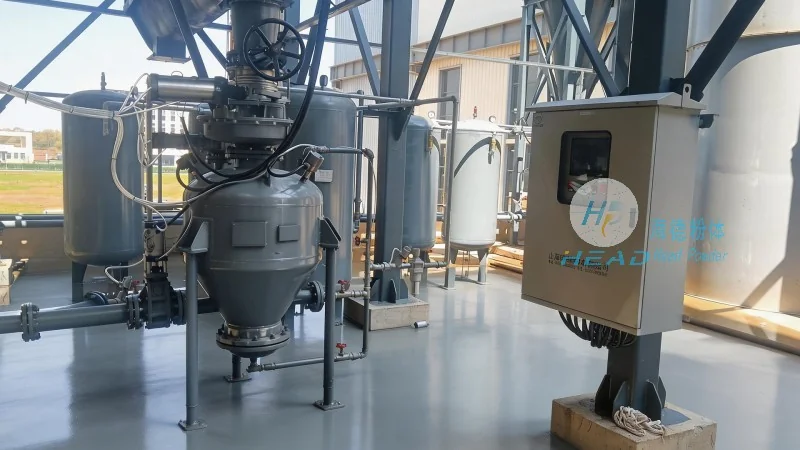
Key Features and Benefits of Cement Dry Ash Material Handling Equipment
The cement dry ash material handling equipment offered by HeadPowder features several key attributes that enhance its performance and reliability. These include robust construction to withstand the abrasive nature of cement dry ash, adjustable flow control mechanisms to maintain consistent material flow, and integrated safety features to prevent accidents and ensure operator safety. The equipment is also designed for easy maintenance, with accessible components and clear operational indicators. The benefits of using such equipment include improved efficiency in material transport, reduced labor costs, and enhanced safety in the workplace. By minimizing manual handling and ensuring consistent flow rates, the equipment helps to optimize production processes and reduce downtime. Additionally, the equipment is energy-efficient, contributing to lower operational costs and a smaller environmental footprint. Overall, the cement dry ash material handling equipment from HeadPowder provides a reliable and efficient solution for industries requiring the transport of dry cement ash, supporting their operational goals and enhancing their overall productivity.