

Operation Process and Working Principle of Potato Material Handling Equipment
At Shandong HeadPowder Engineering Co., Ltd., we specialize in the design, manufacturing, and supply of advanced potato material handling equipment. Our products are engineered to meet the demanding requirements of the potato processing industry, ensuring efficient and reliable transportation of raw materials from harvest to processing stages. The following sections detail the operation process and working principles of our potato material handling systems, highlighting key components and their functions.
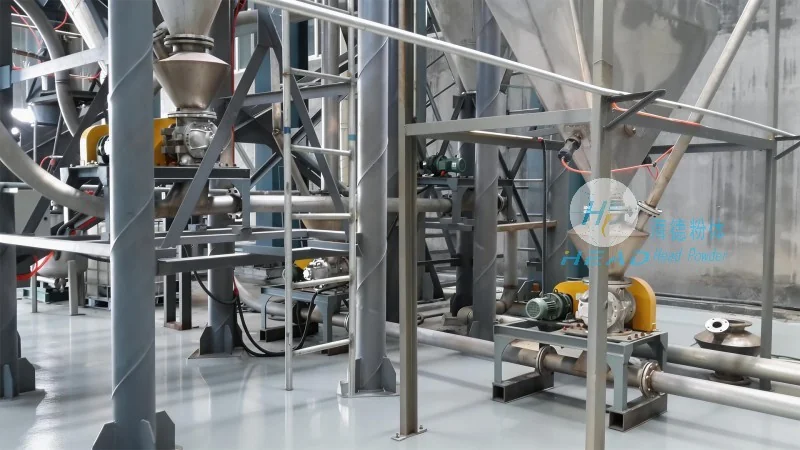
Key Components of Potato Material Handling Systems
Our potato material handling equipment typically consists of several core components that work in concert to ensure smooth material flow. The primary components include conveyors, elevators, sorting mechanisms, and storage units. Each component is designed with durability and efficiency in mind, utilizing high-quality materials and advanced engineering to withstand the rigors of continuous operation in agricultural and food processing environments.
The Operation Process: From Harvest to Processing
The operation process of our potato material handling equipment begins with the reception of raw potatoes. The first step involves the use of a reception hopper or a loading platform, which allows for the efficient unloading of harvested potatoes from trucks or trailers. This initial stage ensures that the material is collected in a controlled manner, preventing damage and maintaining the quality of the potatoes.
Once the potatoes are loaded into the system, they are transferred to the primary conveyor system. This conveyor, often a belt conveyor or a chain conveyor, transports the potatoes from the reception area to the next processing stage. The conveyor system is equipped with adjustable speed controls and tension mechanisms to accommodate varying loads and ensure consistent material flow. As the potatoes move along the conveyor, they may pass through a cleaning or washing station, where water jets and brushes remove dirt, debris, and other contaminants, preparing the potatoes for further processing.
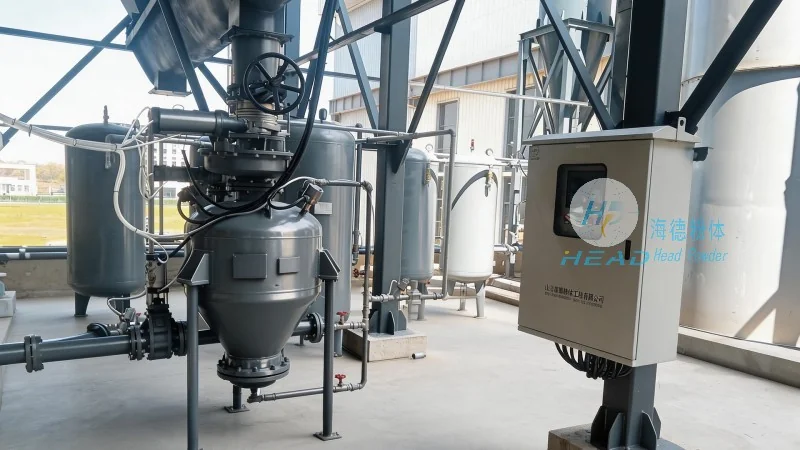
After cleaning, the potatoes are transferred to an elevator or a vertical conveyor. This component elevates the potatoes to a higher level, allowing them to be distributed to different processing lines or storage areas. The elevator is designed with a robust structure and a smooth belt or chain, minimizing the risk of potato damage during vertical transport. The speed and capacity of the elevator are adjustable to match the throughput of the entire system, ensuring that the material flow remains balanced and efficient.
Following the elevator, the potatoes may undergo a sorting process. Sorting mechanisms, such as gravity tables or air classifiers, separate potatoes based on size, shape, or quality. This step is crucial for quality control, as it allows for the removal of undersized, misshapen, or damaged potatoes, ensuring that only high-quality product proceeds to the next stage. The sorted potatoes are then transferred to a storage silo or a processing line, depending on the specific requirements of the operation.
Finally, the processed potatoes are discharged from the system, either for packaging or further processing. The discharge mechanism is designed to handle the load efficiently, preventing blockages and ensuring a smooth transition to the next step in the production line. Throughout the entire operation process, our equipment is equipped with monitoring systems that track key parameters such as speed, load, and temperature, providing real-time data to operators and ensuring optimal performance.
Working Principles: Ensuring Efficiency and Reliability
The working principles of our potato material handling equipment are based on mechanical and hydraulic systems that work together to achieve efficient material transport. The primary mechanism involves the use of conveyor belts or chains that are driven by electric motors, which provide the necessary power to move the potatoes through the system. The speed of the conveyor is controlled by variable frequency drives (VFDs), allowing for precise adjustment to match the production rate and prevent overloading or underloading of the system.
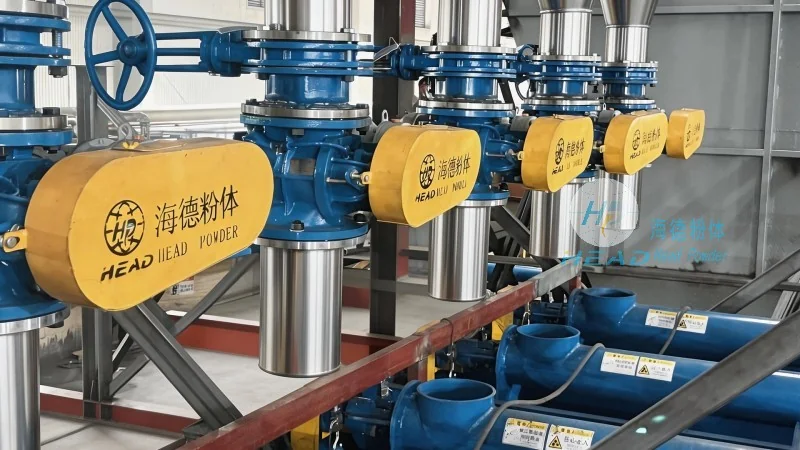
Another key principle is the use of gravity and mechanical force to move the potatoes. In some designs, the conveyor system may incorporate inclines or declines to utilize gravity for part of the transport process, reducing energy consumption and improving efficiency. The elevation changes are carefully designed to minimize the number of components required, while ensuring that the potatoes are moved safely and without damage.
Control systems play a vital role in the operation of our potato material handling equipment. Modern control panels integrate sensors, indicators, and alarms to monitor the status of the system and alert operators to any issues. These systems can be programmed to adjust the speed of the conveyor, activate cleaning cycles, or initiate sorting processes based on real-time data. The use of automation and control systems not only improves efficiency but also enhances safety by reducing the need for manual intervention in hazardous areas.
Durability and maintenance are also integral to the working principles of our equipment. All components are constructed from high-strength materials, such as stainless steel and heavy-duty plastics, which resist corrosion and wear from prolonged exposure to potatoes and cleaning agents. Regular maintenance schedules are recommended to ensure the longevity of the equipment, including lubrication of moving parts, inspection of belts and chains, and replacement of worn components. By adhering to these maintenance practices, operators can maximize the lifespan of the equipment and minimize downtime.