

Operation Process and Working Principle of Desulfurizer Material Handling Equipment
Desulfurizer material handling equipment plays a crucial role in modern industrial processes, particularly in power plants and other facilities that rely on flue gas desulfurization to reduce sulfur dioxide emissions. The efficient operation of these systems is essential for maintaining environmental compliance and ensuring the smooth functioning of the overall desulfurization process. This article provides an in-depth look at the operation process and working principle of such equipment, highlighting key components and their functions.
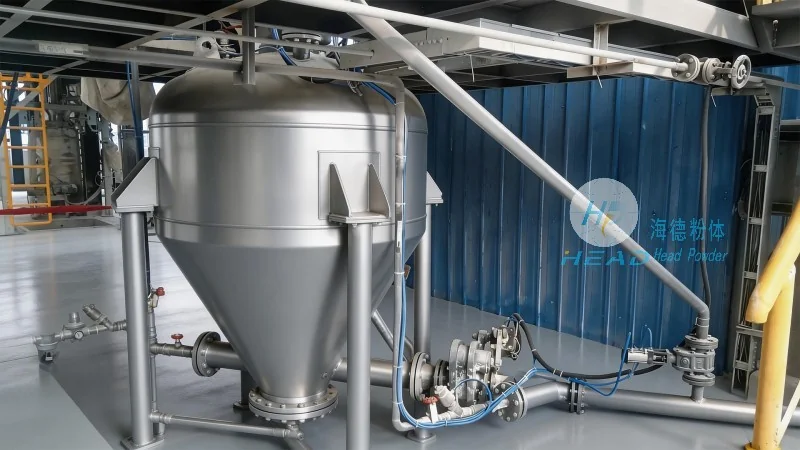
Company Overview: Shandong HeadPowder Engineering Co., Ltd.
HeadPowder, a leading manufacturer in the field of industrial material handling solutions, specializes in designing and supplying high-quality desulfurizer material handling equipment. With a strong commitment to innovation and customer satisfaction, the company has established itself as a trusted partner for industries seeking reliable and efficient desulfurization systems. HeadPowder's headquarters is located in Shandong, China, where the company leverages advanced technology and rigorous quality control to deliver top-tier products that meet international standards.
Key Components of Desulfurizer Material Handling Equipment
The desulfurizer material handling system typically consists of several critical components that work in tandem to transport and manage desulfurizer materials. These components include feed hoppers, conveyor systems, dosing mechanisms, and control panels. Each component is designed to perform specific functions, ensuring the seamless flow of materials from storage to the desulfurization reactor. The feed hopper is responsible for storing the desulfurizer, such as limestone or other alkaline substances, and feeding it into the conveyor system. The conveyor system, which may include belt conveyors, screw conveyors, or pneumatic systems, transports the material to the dosing point. The dosing mechanism then accurately measures and releases the required amount of desulfurizer into the flue gas stream, ensuring optimal desulfurization efficiency.
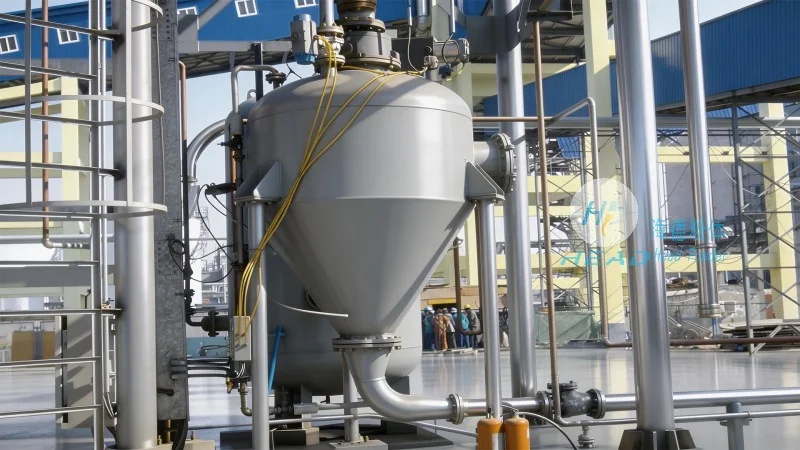
Operation Process of Desulfurizer Material Handling Equipment
The operation process of desulfurizer material handling equipment involves several sequential steps that are carefully coordinated to maintain consistent performance. The process begins with the loading of desulfurizer material into the feed hopper. Once the hopper is filled, the conveyor system starts to transport the material to the dosing point. The dosing mechanism then activates, measuring and releasing the appropriate quantity of desulfurizer based on real-time process parameters. The material is then introduced into the flue gas stream, where it reacts with sulfur dioxide to form gypsum or other byproducts. The system continuously monitors key parameters such as material flow rate, dosing accuracy, and pressure, adjusting operations as needed to maintain optimal performance. This closed-loop control system ensures that the desulfurizer is used efficiently and that the desulfurization process remains effective.
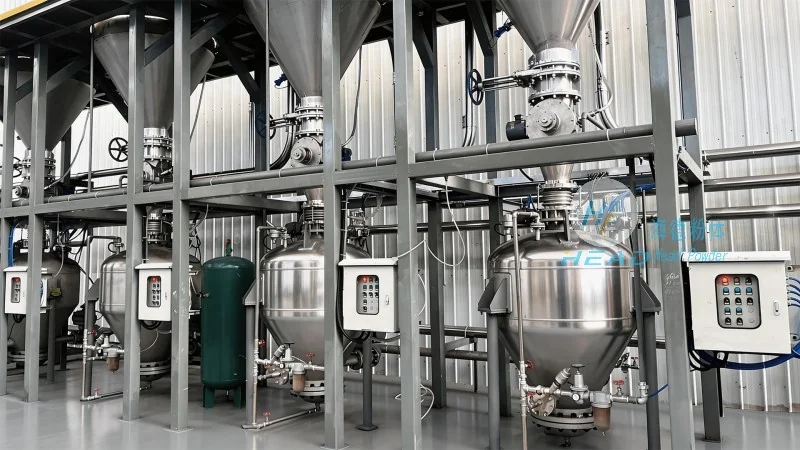
Working Principle of Desulfurizer Material Handling Equipment
The working principle of desulfurizer material handling equipment is based on the principles of material flow and precise dosing. The system operates by first storing the desulfurizer in a hopper, which is equipped with level sensors to monitor the material inventory. When the material level drops below a certain threshold, an alarm is triggered to indicate the need for refilling. The conveyor system then transports the material from the hopper to the dosing point, where a rotary valve or other metering device measures the flow rate. The control system calculates the required dosing rate based on the flue gas flow rate and sulfur dioxide concentration, ensuring that the correct amount of desulfurizer is added to achieve the desired desulfurization efficiency. The material is then mixed with the flue gas and introduced into the desulfurization reactor, where it reacts chemically to remove sulfur compounds. The system's control logic ensures that the dosing rate is adjusted dynamically to compensate for variations in flue gas conditions, such as changes in temperature or pressure.
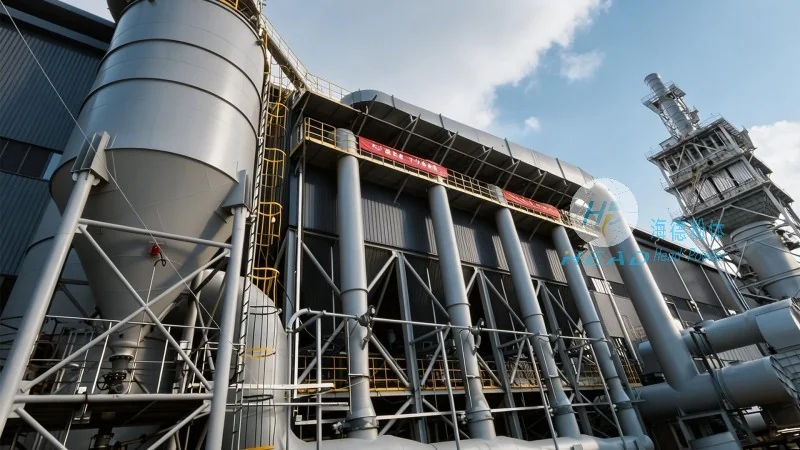
Benefits and Applications of Desulfurizer Material Handling Equipment
Desulfurizer material handling equipment offers several key benefits that make it essential for modern industrial operations. These benefits include improved desulfurization efficiency, reduced operating costs, and enhanced environmental compliance. The equipment is designed to handle various types of desulfurizer materials, including limestone, gypsum, and other alkaline substances, making it versatile for different applications. In power plants, the equipment is used to feed desulfurizer to the flue gas desulfurization (FGD) system, which helps to reduce sulfur dioxide emissions by up to 95% or more. In other industrial facilities, such as chemical plants and steel mills, the equipment is used to handle desulfurizer for processes that require sulfur removal. The equipment's ability to handle large volumes of material and maintain consistent dosing rates makes it suitable for both small and large-scale operations.
Conclusion
Desulfurizer material handling equipment is a critical component of modern industrial desulfurization systems, playing a vital role in reducing sulfur dioxide emissions and ensuring environmental compliance. The operation process and working principle of these systems are designed to be efficient, reliable, and adaptable to varying process conditions. With advanced control systems and robust construction, desulfurizer material handling equipment from companies like Shandong HeadPowder Engineering Co., Ltd. provides industries with a reliable solution for their desulfurization needs. By understanding the operation process and working principle of such equipment, industries can optimize their desulfurization processes and achieve better environmental performance.