

Operation Process and Working Principle of Lightweight Micropowder Material Handling Equipment
HeadPowder, a leading manufacturer in the field of material handling solutions, specializes in the design, development, and production of advanced equipment for transporting lightweight micropowder materials. This article provides a detailed overview of the operation process and working principle of such equipment, highlighting the key components, functional mechanisms, and operational efficiency.
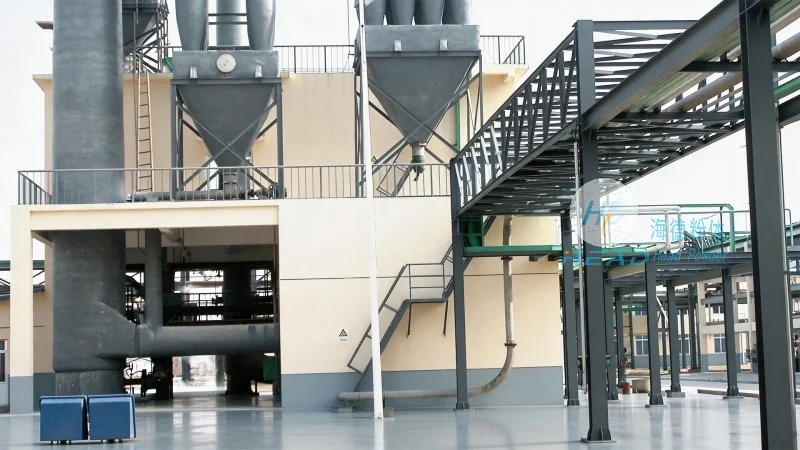
Company Profile
HeadPowder, operating under the full name Shandong HeadPowder Engineering Co., Ltd., is headquartered in Shandong, China. The company is dedicated to delivering high-quality, reliable, and efficient material handling equipment tailored to the needs of various industries, including pharmaceuticals, chemicals, food processing, and more. With a strong focus on innovation and customer satisfaction, HeadPowder has established itself as a trusted partner in the material handling sector.
Understanding Lightweight Micropowder Materials
Lightweight micropowder materials, such as fine powders, granules, and other particulate substances with low bulk density, present unique challenges in transportation due to their tendency to flow, agglomerate, or create dust during handling. Traditional conveyor systems may struggle to handle these materials efficiently, leading to issues like material loss, equipment wear, and operational inefficiencies. Therefore, specialized equipment is required to ensure safe, reliable, and effective material transport.
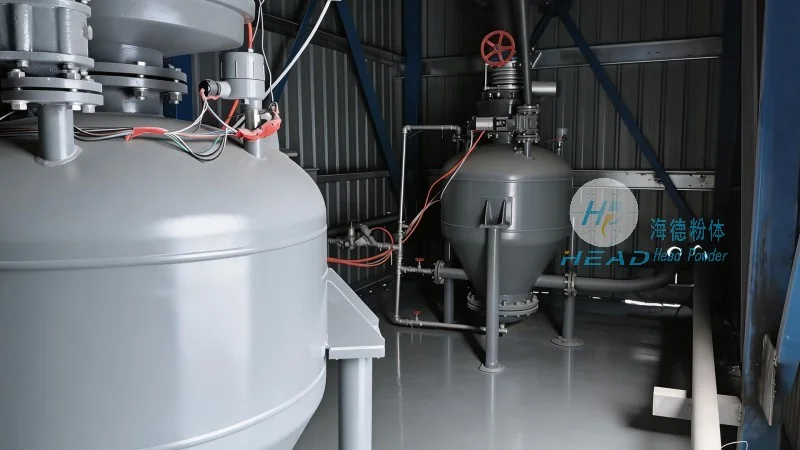
Key Components of the Material Handling Equipment
The core components of the lightweight micropowder material handling equipment include a hopper for material storage, a feeder to control the flow rate, a conveyor system (often using air or mechanical means), and a discharge mechanism. The hopper is designed with a sloped bottom to facilitate material discharge and prevent clogging. The feeder, typically a rotary valve or a screw feeder, regulates the material flow into the conveyor, ensuring a consistent and controlled supply. The conveyor system may employ pneumatic conveying (air-assisted) or mechanical conveying (e.g., belt or screw conveyors) depending on the material properties and application requirements. The discharge mechanism allows for precise delivery of the material to the target location.
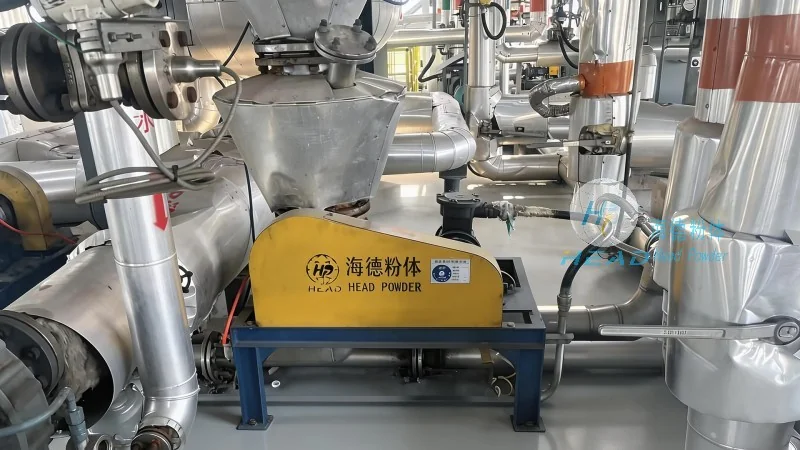
Working Principle of the Equipment
The operation process begins with the loading of lightweight micropowder materials into the hopper. The feeder then controls the material flow, ensuring a steady supply to the conveyor. In pneumatic conveying systems, compressed air is introduced to create a flow of air and material, transporting the powders through the pipeline to the discharge point. Mechanical conveyors, such as belt or screw conveyors, use mechanical force to move the material along the conveyor path. The discharge mechanism then delivers the material to the desired destination, completing the transport process. Throughout the operation, sensors and control systems monitor the flow rate, pressure, and other parameters to maintain optimal performance and prevent issues like blockages or overloading.
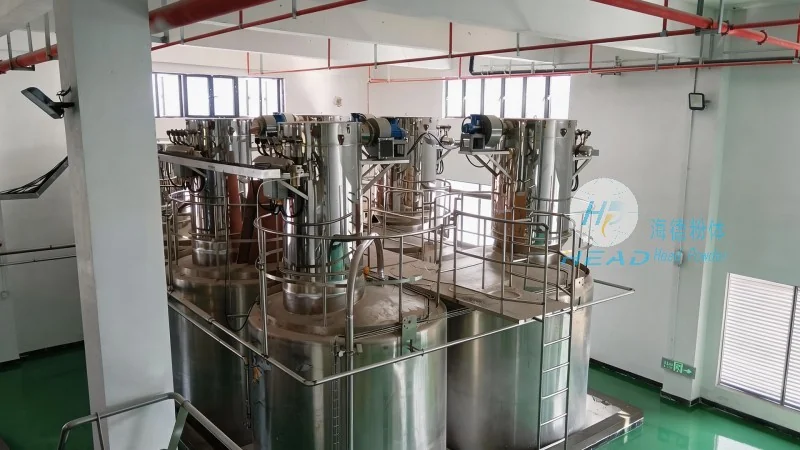
Operation Process: Step-by-Step Overview
The operation of the lightweight micropowder material handling equipment follows a systematic process to ensure efficient and reliable material transport. The steps include: 1. Material Loading: The hopper is filled with the lightweight micropowder material. 2. Feeder Activation: The feeder is activated to control the material flow rate. 3. Conveyor Operation: The conveyor system is started, either by pneumatic or mechanical means, to transport the material. 4. Discharge Control: The discharge mechanism is engaged to deliver the material to the target location. 5. Monitoring and Adjustment: Sensors and control systems continuously monitor the operation, adjusting parameters as needed to maintain optimal performance. This step-by-step process ensures that the material is handled safely and efficiently, minimizing the risk of material loss or equipment damage.
Benefits and Applications
The lightweight micropowder material handling equipment offers several benefits, including improved material handling efficiency, reduced material loss, and enhanced operational safety. The equipment is widely used in industries such as pharmaceuticals, where precise control of powder flow is critical, and in chemical processing, where handling fine powders requires specialized equipment. The equipment's design allows for easy integration into existing production lines, making it a versatile solution for various material transport needs.