

Operation Process and Working Principle of Vitrified Microsphere Material Handling Equipment
When it comes to the efficient and reliable handling of vitrified microspheres, specialized equipment plays a crucial role in ensuring smooth material flow and optimal performance. The operation process of such equipment involves several key stages that work in tandem to achieve seamless material transport. Understanding these stages is essential for operators and maintenance personnel to maintain peak operational efficiency.
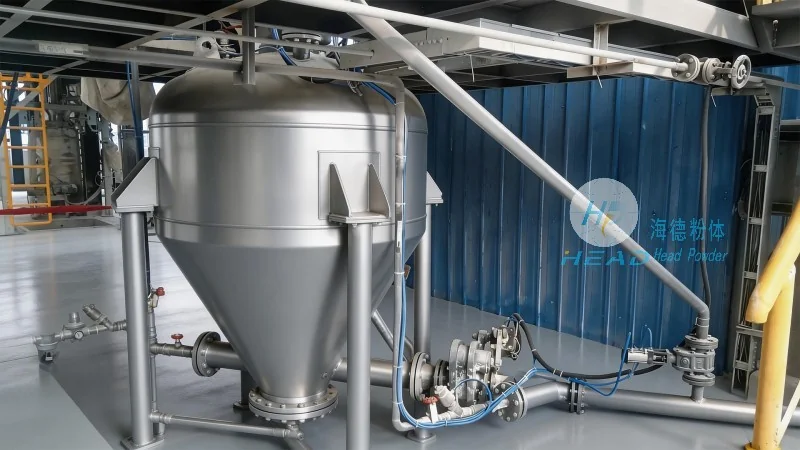
Overview of Vitrified Microsphere Material Handling Equipment
Vitrified microspheres are lightweight, spherical particles commonly used as insulating materials in construction and industrial applications. The material handling equipment designed for these microspheres must be capable of handling their unique properties, such as low density and irregular flow characteristics. The equipment typically includes components like hoppers, feeders, conveyors, and control systems to manage the entire material transport process. These systems are engineered to minimize material degradation and ensure consistent output quality.
The Operational Process: Step-by-Step Breakdown
The operation of vitrified microsphere material handling equipment begins with the loading of raw material into the hopper. The hopper is designed to store a sufficient quantity of material to maintain continuous operation, reducing the need for frequent refills. Once the material is in the hopper, a feeder mechanism, often a rotary valve or a vibratory feeder, regulates the flow of microspheres into the conveyor system. This step is critical as it controls the rate of material discharge, preventing overloading or underloading of the conveyor.
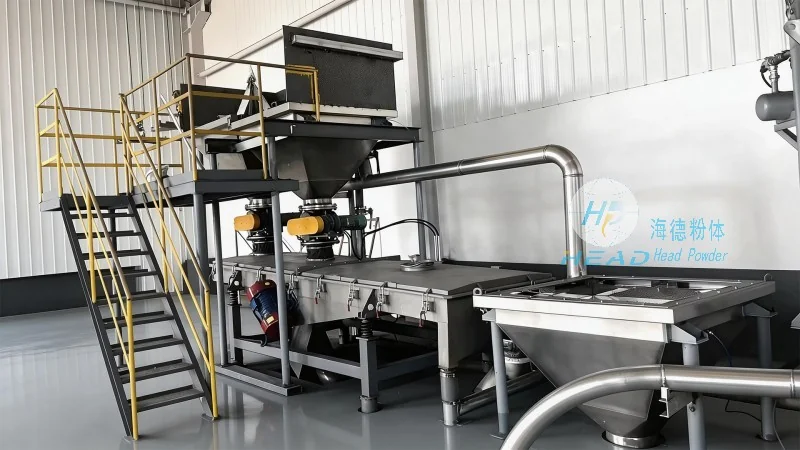
The conveyor system, which may consist of belt conveyors, screw conveyors, or pneumatic conveying lines, transports the microspheres from the feeder to the discharge point. The choice of conveyor type depends on the specific characteristics of the microspheres and the application requirements. For example, belt conveyors are suitable for dry, free-flowing materials, while screw conveyors are ideal for handling materials with higher moisture content or those that tend to clump. Pneumatic conveying systems are used when long-distance transport or high-temperature environments are involved.
At the discharge end, the material is collected in a storage bin or directly fed into the next processing stage. The control system monitors various parameters, including flow rate, pressure, and temperature, to ensure the equipment operates within safe and efficient limits. Sensors and indicators provide real-time feedback, allowing operators to make adjustments as needed to maintain optimal performance.
Working Principle: Core Mechanisms and Technologies
The working principle of vitrified microsphere material handling equipment is based on mechanical and pneumatic principles to achieve efficient material transport. The primary mechanisms include gravity feed, mechanical agitation, and air pressure. The hopper uses gravity to allow material to flow into the feeder, which then regulates the flow rate. Mechanical components like rotary valves and vibratory feeders use rotational or vibrational motion to move material, ensuring consistent discharge.
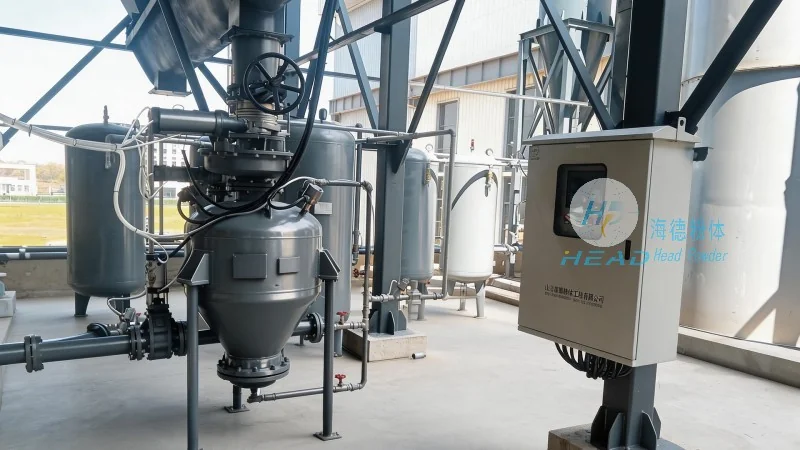
Pneumatic conveying systems utilize compressed air to create a flow of air and material particles. The air is introduced into the conveying line, creating a pressure differential that propels the microspheres forward. This method is particularly effective for handling fine or lightweight particles, as it minimizes material degradation and reduces the risk of blockages. The control system integrates sensors to monitor air pressure, flow rate, and material level, ensuring the system operates efficiently and safely.
Automation and control technologies are integral to modern material handling equipment. The control system may include programmable logic controllers (PLCs) and human-machine interfaces (HMIs) that allow operators to set parameters and monitor performance. These systems enhance operational efficiency by reducing manual intervention and ensuring consistent output. Additionally, advanced features like overload protection and emergency stop functions enhance safety and reliability.
Key Components and Their Functions
Several key components contribute to the effective operation of vitrified microsphere material handling equipment. The hopper serves as the primary storage unit, designed with a sloped bottom to facilitate material flow. It is typically made of durable materials like stainless steel or high-density polyethylene to withstand the abrasive nature of the microspheres. The feeder mechanism, often a rotary valve, controls the rate of material discharge. Rotary valves use a rotating disc to create an opening and closing action, regulating the flow of material into the conveyor.
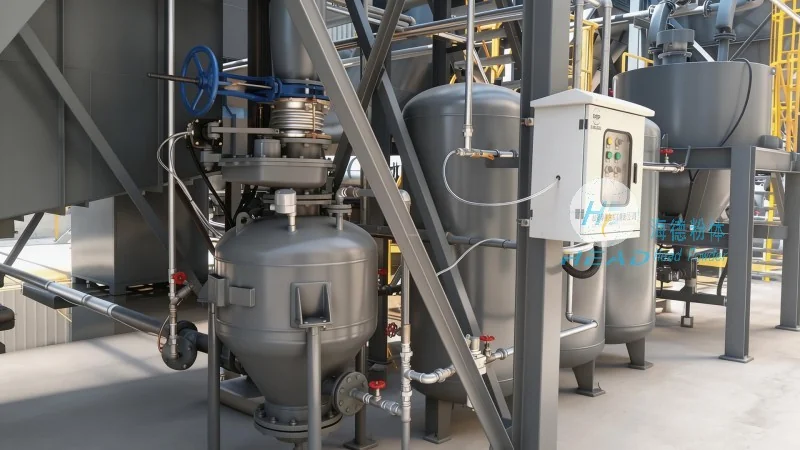
The conveyor system is responsible for transporting the microspheres from the feeder to the discharge point. Belt conveyors consist of a continuous belt supported by rollers, with the microspheres moving along the belt's surface. Screw conveyors use a rotating screw to push material forward, suitable for vertical or inclined transport. Pneumatic conveying lines use flexible hoses or rigid pipes to transport material via air pressure, ideal for long-distance or high-temperature applications.
The control system manages the entire operation, monitoring parameters and controlling the flow of material. It includes sensors for flow rate, pressure, and temperature, as well as indicators for system status. The control system may be integrated with automation software that allows for remote monitoring and adjustments. Additionally, safety features like emergency stop buttons and overload protection are essential to prevent accidents and equipment damage.