

Operation Process and Working Principle of Glass Fiber Material Conveying Lines
Glass fiber material conveying lines are critical components in modern industrial operations, facilitating the efficient movement of glass fiber materials from one processing stage to another. These systems are engineered to handle the unique properties of glass fibers, such as their lightweight, high strength, and abrasive nature, ensuring reliable and consistent performance. The operation of glass fiber material conveying lines involves a combination of mechanical, pneumatic, and sometimes hydraulic systems, all working together to maintain optimal material flow and minimize downtime.
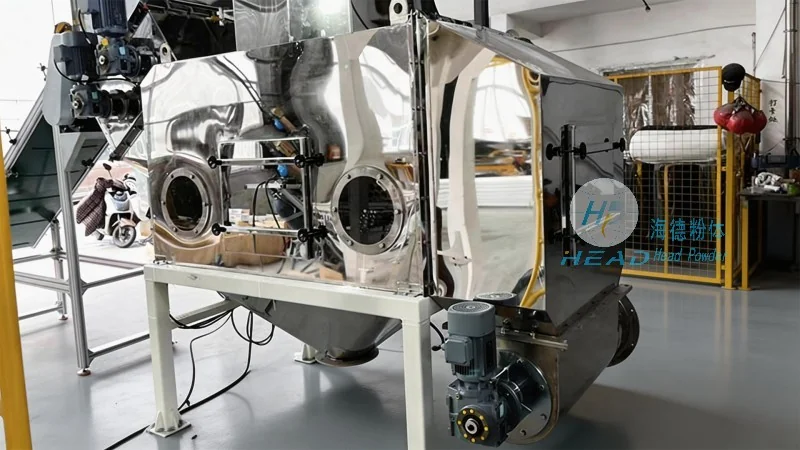
Key Components of Glass Fiber Material Conveying Lines
The core of a glass fiber material conveying line consists of several interconnected components, each playing a vital role in the overall system. The primary components include feeders, conveyors, hoppers, and control systems. Feeders are responsible for uniformly distributing the glass fiber material into the conveying system, ensuring a steady input flow. Conveyors, which may be belt, screw, or pneumatic types, transport the material through the line. Hoppers are used to store and buffer the material, preventing interruptions in the process. Control systems, often integrated with sensors and automation technology, monitor and regulate the operation of the conveying line, adjusting parameters as needed to maintain optimal performance.
Operation Process of Glass Fiber Material Conveying Lines
The operation process of glass fiber material conveying lines typically begins with the material being fed into the system. The feeder ensures that the glass fiber is evenly distributed, preventing clumping or blockages. Once the material is in the conveyor, it is transported to the next stage of processing. Pneumatic conveying systems use compressed air to move the material through pipes, while mechanical conveyors rely on rotating components like screws or belts. The material may pass through multiple stages, such as drying, cleaning, or mixing, before reaching the final output point. At each stage, the system is designed to handle the specific requirements of the glass fiber material, ensuring that the properties of the fiber are preserved throughout the process.
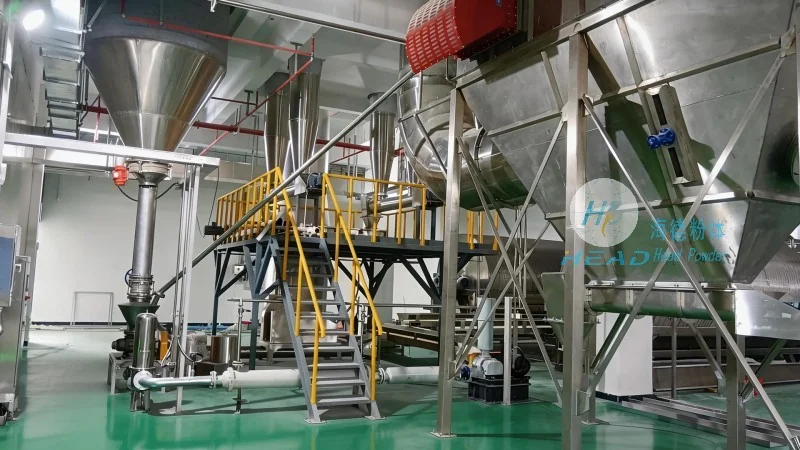
Working Principles of Glass Fiber Material Conveying Lines
The working principles of glass fiber material conveying lines are based on the principles of fluid dynamics and mechanical engineering. For pneumatic conveying systems, the material is suspended in a stream of air and transported through the system. The air pressure and velocity are carefully controlled to ensure that the glass fibers are carried without damage. Mechanical conveyors, on the other hand, use the friction between the material and the conveyor surface to move the fibers. The design of the conveyor components, such as the pitch of screws or the width of belts, is optimized to prevent material degradation and ensure efficient transport. Control systems play a crucial role in maintaining the stability of the conveying process, adjusting air pressure, conveyor speed, or material feed rate to respond to changes in the system or material properties.
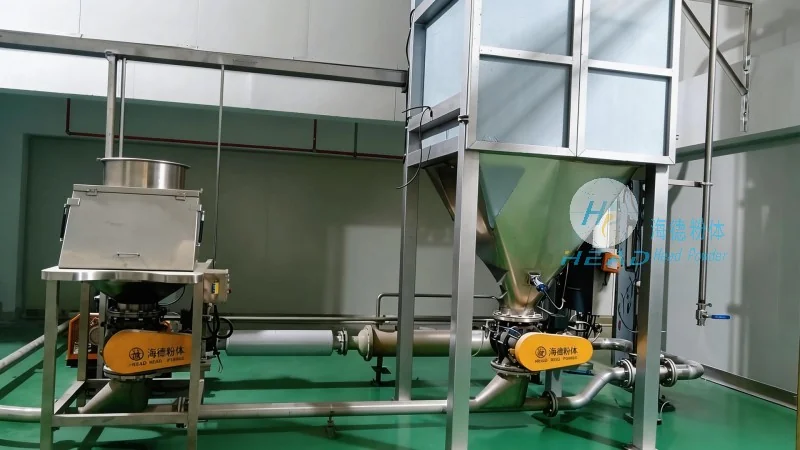
Benefits of Using Glass Fiber Material Conveying Lines
Implementing glass fiber material conveying lines offers numerous benefits for industrial operations. These systems enhance productivity by reducing manual handling and increasing the speed of material transport. They also improve safety by minimizing the risk of accidents associated with manual material handling. Additionally, the precise control over material flow helps maintain consistent product quality, reducing waste and improving overall efficiency. The durability and reliability of these systems ensure long-term performance, even in demanding industrial environments.
About Shandong HeadPowder Engineering Co., Ltd.
Shandong HeadPowder Engineering Co., Ltd., commonly known as headpowder, is a leading manufacturer and supplier of glass fiber material conveying lines and related industrial equipment. With a strong commitment to quality and innovation, the company has established itself as a trusted partner in the industry. Headpowder's products are designed to meet the specific needs of various applications, from manufacturing to processing, ensuring that clients receive tailored solutions that enhance their operational efficiency. The company's headquarters is located in Shandong, China, where it operates a state-of-the-art manufacturing facility equipped with advanced technology and skilled personnel. Headpowder's dedication to customer satisfaction and product excellence has earned it a reputation for reliability and performance in the global market.