

Operation Process and Working Principle of Methylcellulose Material Conveying Line
For industrial applications involving the handling and transportation of methylcellulose, efficient and reliable material conveying systems are essential. The Methylcellulose Material Conveying Line, developed by Shandong HeadPowder Engineering Co., Ltd., represents a sophisticated solution designed to meet the demands of modern production environments. This system integrates advanced engineering principles to ensure optimal performance, safety, and durability in the transportation of methylcellulose materials.
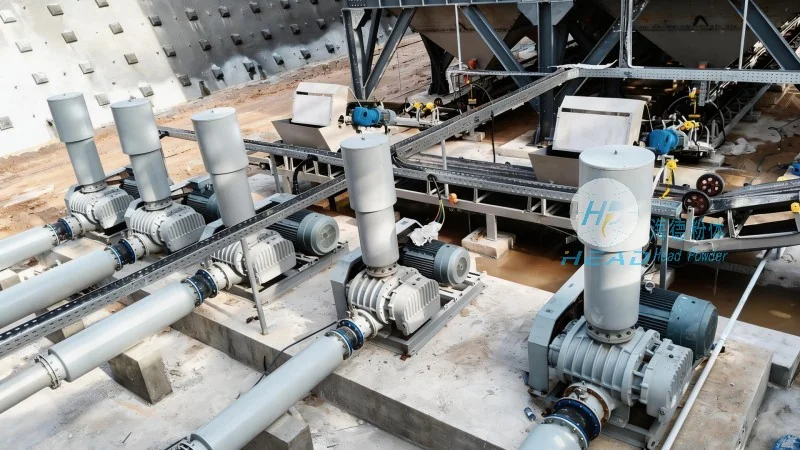
Company Overview: Shandong HeadPowder Engineering Co., Ltd.
HeadPowder, as the company behind this advanced conveying technology, is a leading provider of industrial equipment solutions. Based in Shandong, China, HeadPowder specializes in engineering and manufacturing systems tailored to the needs of various industries, including pharmaceuticals, food processing, and chemical manufacturing. With a strong commitment to quality and innovation, HeadPowder has established itself as a trusted partner in delivering high-performance material handling solutions. The company’s expertise in mechanical design, material science, and process optimization ensures that each conveying line is customized to meet specific operational requirements, enhancing productivity and operational efficiency for clients.
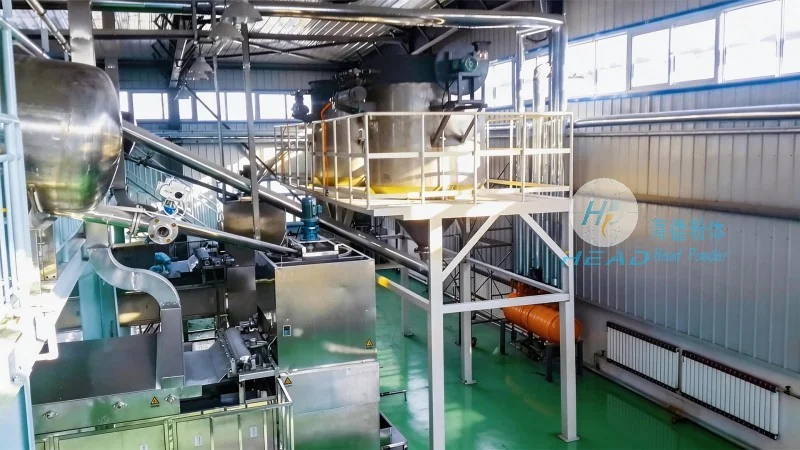
Key Components and Structure of the Methylcellulose Conveying Line
The Methylcellulose Material Conveying Line comprises several critical components that work in harmony to facilitate the smooth transportation of materials. The system typically includes a feeding mechanism, conveyor belts or pipes, control systems, and safety features. The feeding mechanism is designed to handle the bulk of methylcellulose, ensuring consistent and controlled input into the conveyor. Conveyor belts or pneumatic systems are employed to transport the material through the line, with adjustable speed and direction controls to accommodate varying production needs. The control system integrates sensors and automation technologies to monitor the flow, detect blockages, and adjust operations in real-time, enhancing operational safety and efficiency. Additionally, safety features such as emergency stop buttons and protective enclosures are incorporated to protect operators and prevent accidents during operation.
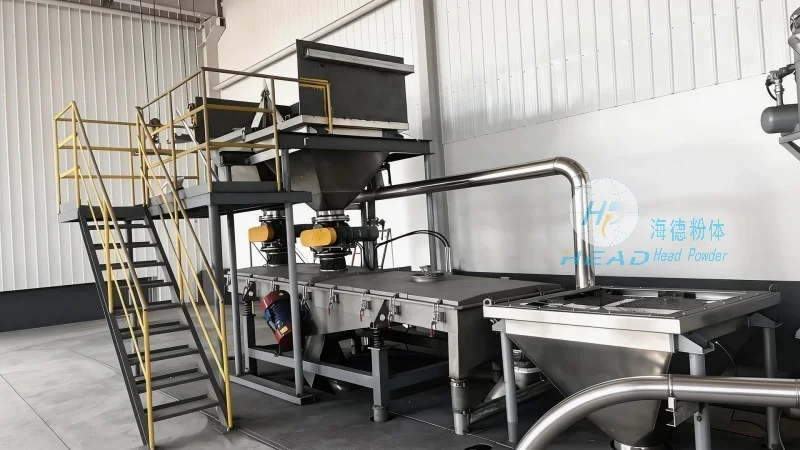
Operation Process of the Methylcellulose Material Conveying Line
The operation of the Methylcellulose Material Conveying Line follows a systematic process that ensures the efficient movement of methylcellulose from the source to the destination. The process begins with the feeding of raw methylcellulose into the system, where it is evenly distributed by the feeding mechanism. The material then moves through the conveyor system, which may include horizontal or inclined sections depending on the layout of the production facility. As the material travels, it is monitored by sensors that detect any variations in flow or potential blockages. The control system adjusts the conveyor speed and pressure as needed to maintain a consistent flow rate. Upon reaching the end of the line, the methylcellulose is discharged into the receiving container or processing unit. The entire operation is automated, with minimal human intervention required, reducing labor costs and increasing production throughput. Regular maintenance checks are performed to ensure the system operates at peak efficiency, with scheduled inspections of components like belts, motors, and sensors to prevent breakdowns and extend the lifespan of the equipment.
Working Principle of the Methylcellulose Conveying Line
The working principle of the Methylcellulose Material Conveying Line is based on mechanical and pneumatic principles to achieve the transportation of bulk materials. The system utilizes a combination of gravity, mechanical force, and sometimes air pressure to move the methylcellulose through the conveying line. The feeding mechanism uses a hopper or feeder to introduce the material into the conveyor, ensuring a steady supply. Conveyor belts, often made of durable materials resistant to chemical exposure, transport the material along the path defined by the system. Pneumatic systems may be employed in sections where vertical or complex horizontal movements are required, using compressed air to push or pull the material through pipes. The control system integrates feedback from sensors to adjust the pressure and speed of the pneumatic components, ensuring smooth and consistent movement. The entire process is designed to minimize material degradation and loss, with enclosed systems that prevent contamination and maintain product quality. The working principle also emphasizes energy efficiency, with adjustable speed controls and energy-saving motors that reduce operational costs while maintaining performance.
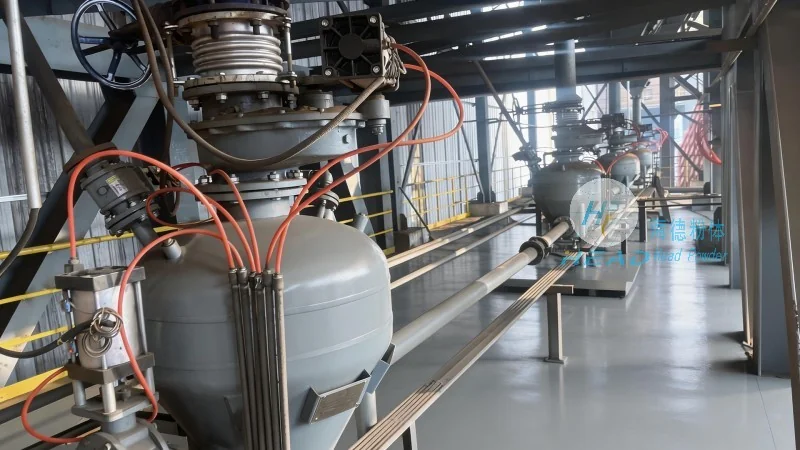
Benefits and Applications of the Methylcellulose Conveying Line
The Methylcellulose Material Conveying Line offers numerous benefits that enhance operational performance and product quality. One of the primary advantages is the improved efficiency in material handling, as the system can transport large volumes of methylcellulose at a consistent rate, reducing downtime and increasing production output. The automated control system minimizes human error and labor requirements, leading to cost savings and enhanced safety. The system’s design also ensures minimal material degradation, preserving the quality and properties of methylcellulose, which is crucial for applications in pharmaceuticals and food processing where product purity is paramount. Additionally, the modular design of the conveying line allows for easy integration into existing production lines, with options for customization to fit specific space constraints and operational needs. The durability of the components, such as reinforced belts and corrosion-resistant materials, ensures long-term reliability and reduces maintenance costs over the equipment’s lifespan. The Methylcellulose Material Conveying Line is widely used in industries where the handling of fine powders and granules is critical, including the production of cosmetics, pharmaceuticals, and food additives. Its ability to handle sensitive materials without causing agglomeration or segregation makes it an ideal solution for maintaining product integrity throughout the conveying process.