

Operation Process and Working Principle of Positive Pressure Material Handling Equipment
Positive pressure material handling systems represent a sophisticated approach to transporting bulk materials in industrial settings. These systems are designed to maintain a positive pressure environment, ensuring that materials are conveyed safely and efficiently while preventing contamination or loss. The technology is widely adopted across various industries, including pharmaceuticals, food processing, and chemical manufacturing, where material integrity and environmental control are critical.
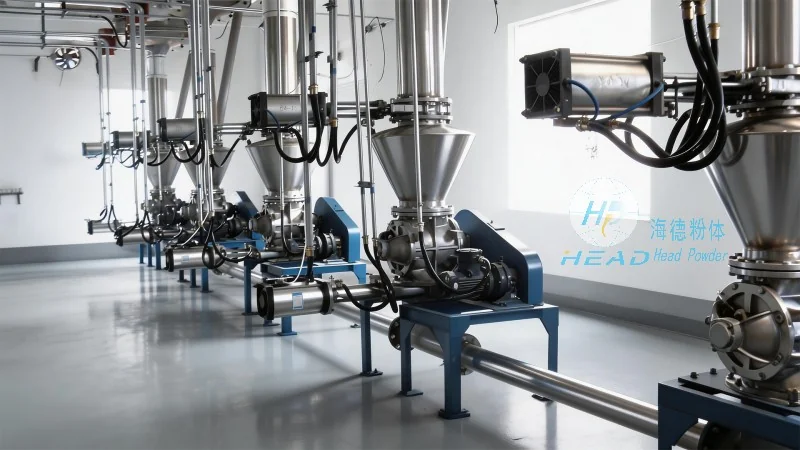
Company Overview: Shandong HeadPowder Engineering Co., Ltd.
As a leading manufacturer in the field of material handling solutions, Shandong HeadPowder Engineering Co., Ltd. specializes in the design, development, and production of advanced positive pressure equipment. With a strong commitment to quality and innovation, the company has established itself as a trusted partner for businesses seeking reliable and efficient material transport solutions. HeadPowder's expertise lies in creating customized systems that meet the specific requirements of diverse industrial applications, ensuring optimal performance and durability.
Overview of Positive Pressure Material Handling Equipment
Positive pressure material handling equipment typically consists of a series of components, including blowers, ducts, and material feeders. The core principle involves using compressed air to create a positive pressure zone, which propels the material through the system. This method is particularly effective for handling fine powders, granules, and other particulate materials that are prone to dust generation or clogging in traditional vacuum systems. The equipment is engineered to maintain a consistent flow rate and pressure, ensuring stable material transport without the need for excessive energy consumption.
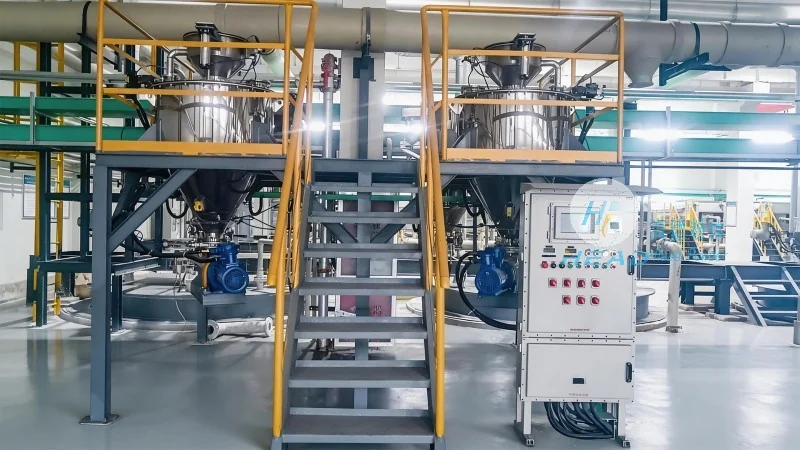
Detailed Operation Process
The operation of a positive pressure material handling system begins with the material being fed into the system, usually through a hopper or feeder. The material is then drawn into the ductwork by the positive pressure generated by the blower. As the material moves through the system, it is transported to the desired destination, such as a storage silo, processing unit, or packaging area. The system is equipped with control mechanisms that monitor pressure, flow rate, and material level, allowing for real-time adjustments to maintain optimal performance. Operators can easily manage the system using user-friendly interfaces, ensuring smooth and continuous operation.
Working Principle Analysis
The working principle of positive pressure material handling systems is based on the application of compressed air to create a pressure differential. The blower, which is the primary power source, generates a high-pressure air stream that flows through the ducts. This air stream carries the material particles along with it, moving the material from the source to the destination. The positive pressure ensures that the material is continuously pushed forward, preventing backflow or stagnation. The system is designed with sealed components and proper sealing techniques to maintain the pressure integrity, minimizing air leakage and ensuring efficient material transport.
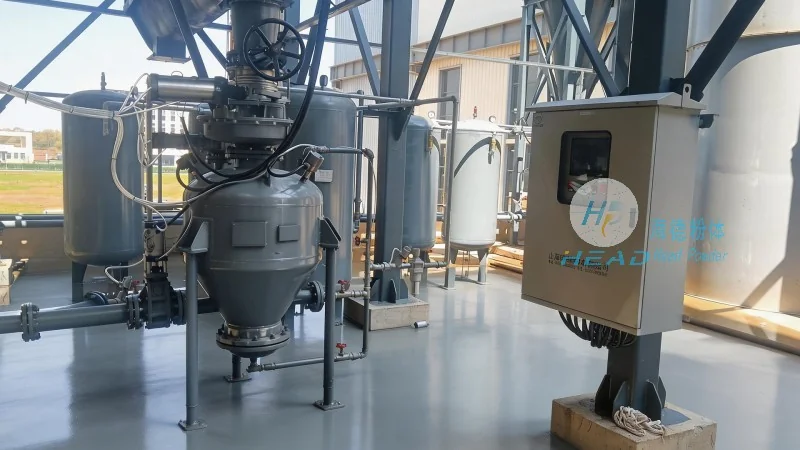
Key Features and Technical Advantages
Positive pressure material handling equipment offers several key features and technical advantages that make it an ideal choice for many industrial applications. One of the primary benefits is its ability to handle a wide range of materials, including sensitive powders that require contamination-free transport. The system's design minimizes material degradation and loss, which is crucial in industries like pharmaceuticals and food processing. Additionally, the positive pressure environment reduces the risk of dust explosions and improves workplace safety. The equipment is also energy-efficient, with optimized air flow and pressure control that reduces operational costs over time. Maintenance is simplified due to the robust construction and easy access to components, ensuring minimal downtime and long service life.
Application Scenarios and Industry Benefits
Positive pressure material handling systems are widely used in various industries, each benefiting from the system's unique capabilities. In the pharmaceutical industry, the systems are used to transport active pharmaceutical ingredients (APIs) and other sensitive materials, ensuring they remain free from contamination and maintain their potency. In food processing, the equipment is employed to handle ingredients like flour, sugar, and spices, maintaining product quality and safety standards. The chemical industry utilizes positive pressure systems for transporting powders and granules, particularly in processes involving hazardous materials, where the system's sealed design prevents exposure and ensures environmental compliance. Overall, the adoption of positive pressure material handling equipment leads to improved operational efficiency, reduced material waste, and enhanced safety in industrial settings.