

Operation Process and Working Principle of Continuous Metering Feeding Material Handling System Equi
Continuous metering feeding systems are essential in industrial material handling, designed to provide precise and consistent material flow for various processing applications. This equipment is widely used in sectors such as mining, construction, and manufacturing, where accurate material delivery is critical for operational efficiency and product quality. The following sections will explore the operational process and working principles of such systems, with a focus on the technical aspects and practical applications.
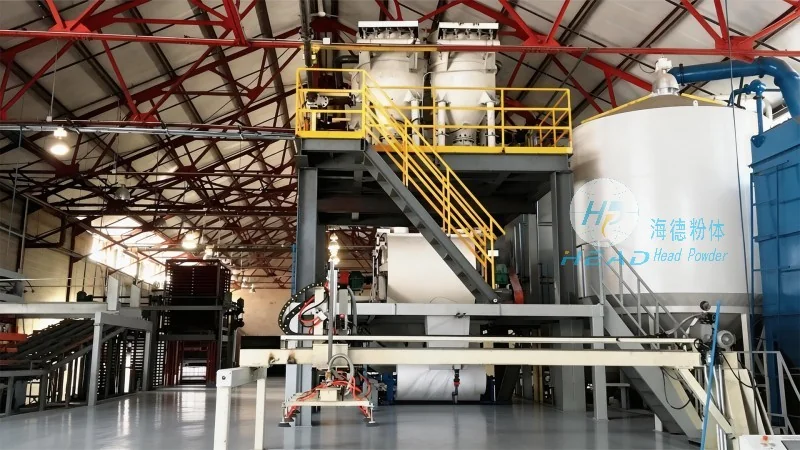
Company Overview: Shandong HeadPowder Engineering Co., Ltd.
Headpowder, the manufacturer of these advanced material handling systems, is a leading company based in Shandong, China. With a strong commitment to innovation and quality, Headpowder specializes in designing and producing equipment tailored to meet the diverse needs of industrial clients. The company's headquarters is located in Shandong, where its team of engineers and technicians work diligently to develop cutting-edge solutions for material handling challenges. Headpowder's products are known for their reliability, durability, and precision, making them a trusted choice in the industry.
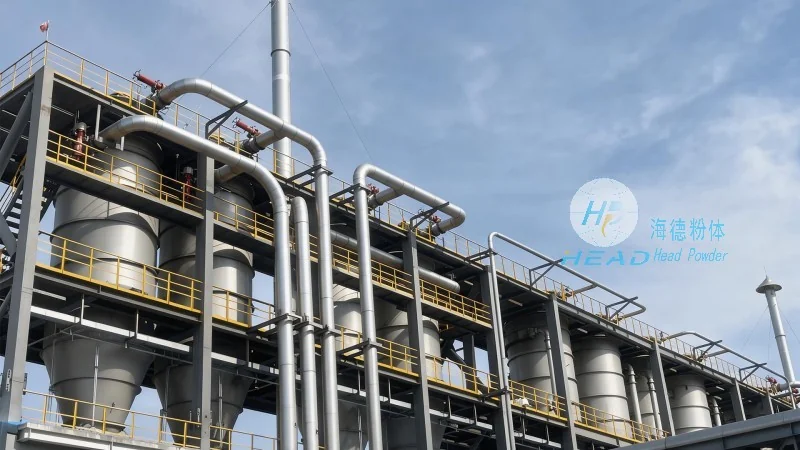
Key Components and Structure of Continuous Metering Feeding Systems
Continuous metering feeding systems typically consist of several key components that work in harmony to achieve precise material delivery. The main parts include a hopper for material storage, a metering device (such as a screw or belt feeder) for controlling the flow rate, a conveyor system for transporting the material to the processing unit, and a control panel for monitoring and adjusting the operation. The hopper is designed to hold a sufficient quantity of material to ensure a continuous flow, while the metering device regulates the amount of material released per unit time. The conveyor system then transports the material to the next stage of the process, such as a mixer, grinder, or other processing equipment. The control panel allows operators to adjust parameters like flow rate, speed, and material level, ensuring optimal performance and preventing overloading or underfeeding.
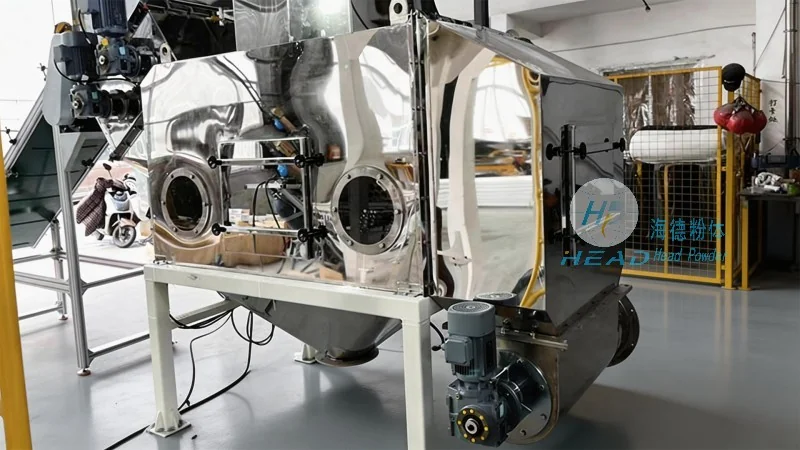
Operation Process of Continuous Metering Feeding Systems
The operation of a continuous metering feeding system involves several steps to ensure smooth and efficient material handling. First, the material is loaded into the hopper from a storage silo or truck. The hopper is equipped with a level sensor that monitors the material level and alerts the operator when it needs to be refilled. Next, the metering device is activated, and the material begins to flow from the hopper into the conveyor system. The flow rate is controlled by adjusting the speed of the metering device or the tension of the conveyor belt. As the material moves through the system, it is continuously monitored by sensors that detect any blockages or irregularities. If a blockage occurs, the system automatically stops to prevent damage and allows the operator to clear the obstruction. Once the material reaches the processing unit, it is delivered at a consistent rate, ensuring that the downstream equipment operates efficiently. The entire process is automated, with minimal human intervention required, which reduces labor costs and increases operational safety.
Working Principles of Continuous Metering Feeding Systems
The working principle of a continuous metering feeding system is based on the precise control of material flow using mechanical or electronic components. The metering device, which can be a screw feeder, belt feeder, or vibratory feeder, is the core component responsible for regulating the flow rate. In a screw feeder, for example, the material is fed through a rotating screw that pushes the material forward at a controlled speed. The speed of the screw is adjusted to achieve the desired flow rate, which is proportional to the torque applied to the screw. In a belt feeder, the material is spread evenly on a moving belt, and the speed of the belt is adjusted to control the flow rate. The control panel uses sensors to measure the material level in the hopper and the flow rate from the metering device, and then adjusts the operation of the system to maintain a consistent flow. This closed-loop control system ensures that the material is delivered at a constant rate, even if the material properties or load conditions change. The system also includes safety features such as emergency stop buttons and overload protection to prevent accidents and equipment damage.
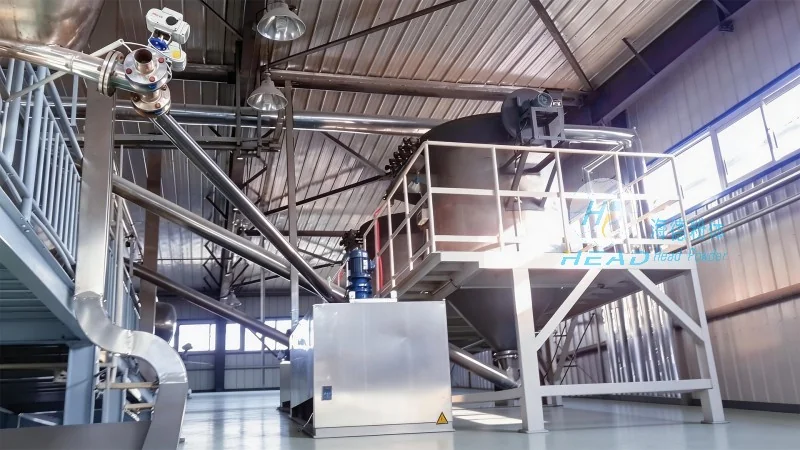
Advantages and Applications of Continuous Metering Feeding Systems
Continuous metering feeding systems offer several advantages over traditional batch feeding methods, including improved efficiency, reduced material waste, and enhanced product quality. By providing a consistent flow of material, these systems ensure that the downstream processing equipment operates at optimal capacity, reducing downtime and increasing productivity. The precise control of material flow also minimizes material waste, as there is no overfeeding or underfeeding. Additionally, the consistent material delivery improves the quality of the final product, as it eliminates variations in material composition or moisture content. These systems are widely used in various applications, including cement production, mining, and food processing. In cement production, for example, continuous metering feeding systems are used to deliver raw materials such as limestone and clay to the kiln at a controlled rate. In mining operations, these systems are used to transport ore from the mine to the processing plant. In food processing, they are used to feed ingredients into mixers or extruders at a consistent rate, ensuring uniform product quality.