

Operation Process and Working Principle of Copper Sulfate Material Handling System Equipment
HeadPowder, a leading engineering company based in Shandong, China, specializes in the design, manufacturing, and installation of advanced material handling systems tailored for the transportation of copper sulfate. This article delves into the operational process and underlying working principles of such systems, providing a comprehensive understanding of how these critical equipment ensure efficient and reliable material transport in industrial settings.
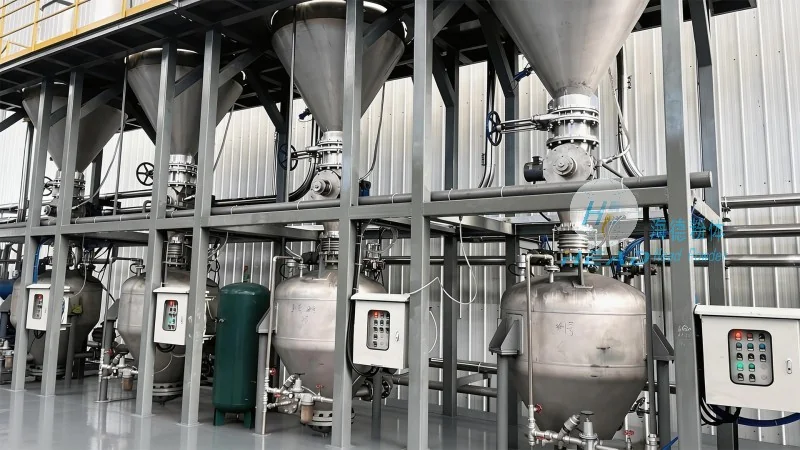
Overview of Copper Sulfate Material Handling Systems
At the core of industrial material handling, copper sulfate material handling systems are engineered to handle the unique properties of copper sulfate, a widely used chemical in agriculture, water treatment, and industrial processes. These systems integrate various components, including conveyors, pumps, storage tanks, and control mechanisms, to facilitate the seamless movement of copper sulfate from storage to processing or distribution points. The design of these systems prioritizes factors such as chemical compatibility, corrosion resistance, and operational efficiency to meet the demands of modern industrial applications.
Key Components and Their Functions
The effectiveness of a copper sulfate material handling system relies on the integration of several specialized components, each playing a crucial role in the overall operation. The primary components include:
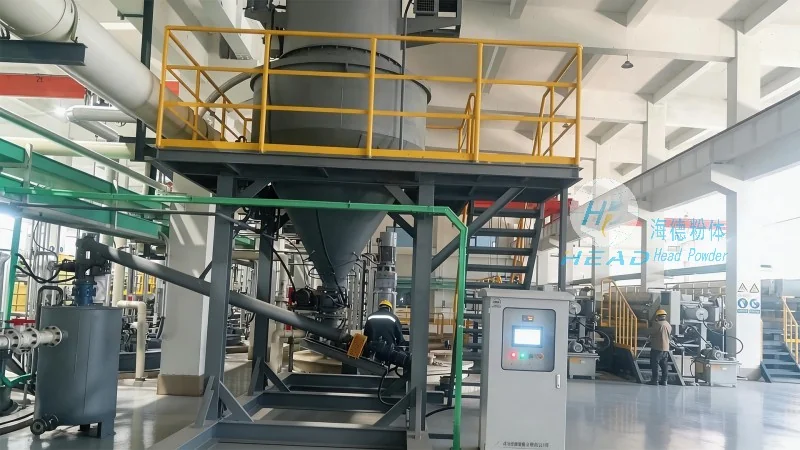
- Storage Tanks: Large, corrosion-resistant tanks are used to store copper sulfate in its liquid or solid form. These tanks are typically made from materials like stainless steel or specialized polymers to prevent chemical reactions that could compromise the material or the equipment.
- Conveyors: Depending on the form of copper sulfate (solid or liquid), different types of conveyors are employed. For solid copper sulfate, belt conveyors or screw conveyors are commonly used to transport bulk material. For liquid copper sulfate, pumping systems and pipeline networks are utilized to ensure smooth flow and consistent pressure.
- Pumps: Centrifugal or positive displacement pumps are essential for liquid copper sulfate handling. These pumps are designed to handle the viscosity and potential abrasiveness of the material, ensuring reliable and efficient transfer through pipelines.
- Control Systems: Advanced control panels and sensors are integrated into the system to monitor parameters such as flow rate, pressure, and temperature. These systems enable real-time adjustments and automated operations, enhancing safety and operational efficiency.
Operation Process of the Material Handling System
The operation of a copper sulfate material handling system follows a systematic sequence to ensure the safe and efficient transport of the material. The process typically begins with the loading of copper sulfate into the storage tanks. For solid copper sulfate, this may involve bulk loading from trucks or direct discharge from production lines. For liquid copper sulfate, the material is pumped directly into the storage tanks from the production facility.
Once stored, the material is prepared for transport. If the material is in solid form, it is transferred to a conveyor system, where it is moved to a processing or packaging area. The conveyor system may include elevators or inclines to adjust the material's height and direction as needed. For liquid copper sulfate, the material is pumped from the storage tank to the processing unit or distribution point through a network of pipelines. The control system continuously monitors the flow rate and pressure, ensuring that the material moves at the optimal speed and under the correct pressure to prevent spills or blockages.
During the transport process, the system may include intermediate storage or mixing units, depending on the specific application. For example, in agricultural applications, the copper sulfate may be mixed with water or other chemicals before being pumped to the application site. The control system adjusts the mixing ratios and flow rates to achieve the desired formulation.
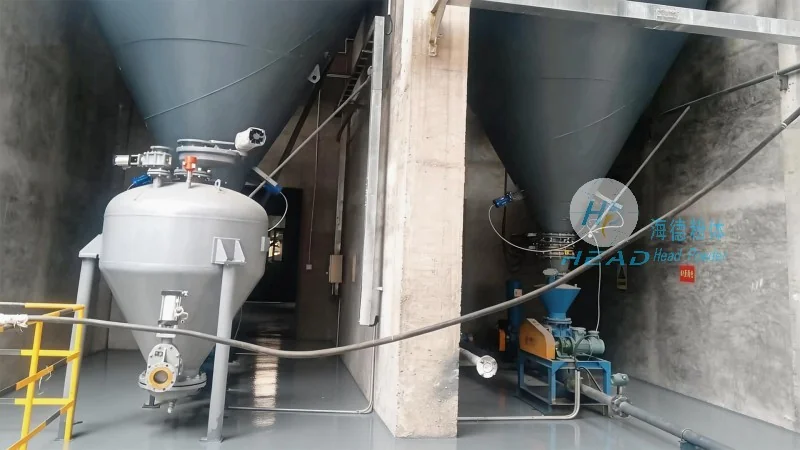
The final stage of the operation involves the delivery of the copper sulfate to its destination. For solid material, this may involve loading onto trucks or containers for transport to farms or industrial sites. For liquid material, the final delivery is typically via pipeline to the end-user's facility or directly to the application point. Throughout the entire process, safety protocols are strictly followed, including the use of protective equipment, regular maintenance checks, and emergency shutdown procedures to prevent accidents and ensure compliance with industrial safety standards.
Working Principles Behind the System
The working principles of a copper sulfate material handling system are based on fundamental engineering concepts and material science principles. The system operates on the principles of fluid dynamics for liquid copper sulfate and bulk material handling for solid copper sulfate. The design of the components, such as pumps and conveyors, is optimized to handle the specific properties of copper sulfate, including its density, viscosity, and potential chemical reactivity.
For solid copper sulfate, the system relies on mechanical forces to move the material. Belt conveyors use friction to transport the material along a path, while screw conveyors use rotational motion to push the material forward. The speed and inclination of these conveyors are carefully calculated to ensure the material moves without excessive friction or degradation. The control system adjusts the speed and direction of the conveyors based on real-time feedback from sensors, ensuring smooth and continuous operation.
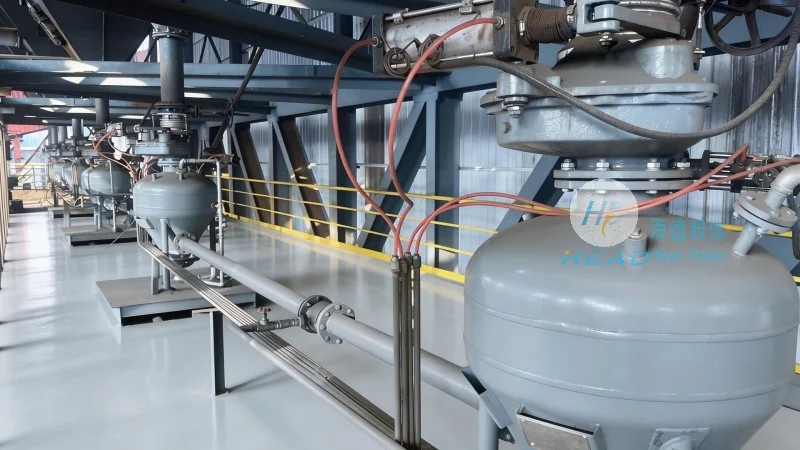
For liquid copper sulfate, the system operates on the principles of fluid mechanics. Pumps create the necessary pressure to move the liquid through pipelines, and the flow rate is controlled by adjusting the pump speed or using flow control valves. The pipelines are designed with appropriate diameters and slopes to maintain consistent flow and prevent stagnation or blockages. The control system monitors the pressure and flow rate in real-time, making adjustments to maintain optimal conditions and prevent system failures.
Corrosion resistance is a critical aspect of the working principles, as copper sulfate can be corrosive to certain materials. The system components are made from materials that are chemically compatible with copper sulfate, such as stainless steel, PVC, or specialized coatings. These materials prevent chemical reactions that could damage the equipment or contaminate the product. The design of the system also includes features like drainage and cleaning mechanisms to maintain the integrity of the components and ensure long-term operational reliability.